 ×
×
When procuring energy storage systems from an OEM energy storage factory, buyers face a critical question: how can product reliability be verified before shipment reaches the project site? The answer lies in understanding the multi-layered quality inspection processes that a reputable factory implements across its production line. For lithium iron phosphate (LiFePO4) battery systems, even a single inconsistent cell can trigger thermal runaway, capacity degradation, or premature failure. This guide walks through the essential inspection stages that distinguish a reliable OEM energy storage factory from a commodity assembler, helping buyers make informed sourcing decisions.
The first checkpoint in any OEM energy storage factory is incoming cell inspection. Reputable manufacturers screen every LiFePO4 cell batch for internal resistance, capacity, and voltage consistency. Cells are graded by matching internal impedance values within tight tolerances, typically requiring deviation under 5 percent. This grading step is essential because mixed-impedance cells in a series string cause uneven charge distribution, accelerating degradation in weaker cells. A professional factory also verifies cell-level certifications such as UL, IEC62619, and UN38.3 before accepting a batch into production. Buyers should request cell grading reports and ask whether the factory uses automated cell sorting equipment rather than manual sampling.
During module assembly, the OEM energy storage factory must verify structural integrity at every joint. Key inspections include laser weld penetration depth, busbar connection resistance, and module-level voltage equalization. A standardized factory applies strict cell voltage equalization SOPs during module assembly, ensuring that the voltage difference between cells within a module stays within a controlled range. Insulation resistance testing is performed on each completed module to detect any internal short circuits. Additionally, torque verification on all bolted connections prevents loose contacts that could generate localized heating during high-current charge and discharge cycles at up to 100 amperes.
The Battery Management System is the brain of any energy storage system, and an OEM energy storage factory must test it comprehensively. BMS functional testing covers overcharge protection, over-discharge cutoff, overcurrent limiting, short circuit response, and temperature monitoring accuracy. The factory verifies that BMS communication protocols, including CAN bus and RS485, correctly interface with major inverter brands. In a 100 percent full inspection process, every completed unit undergoes communication testing to confirm real-time data transmission of voltage, current, state of charge, and temperature. Buyers should ask suppliers for sample BMS test logs and confirm that the factory tests each unit individually rather than batch sampling.
Aging tests represent the most revealing quality gate in an OEM energy storage factory. Each assembled system undergoes continuous charge-discharge cycling for a defined period, typically 48 to 72 hours, to expose early-life failures. During aging, the factory monitors capacity retention, thermal behavior, and cell balancing performance under simulated operating conditions. Temperature sensors placed across the battery pack verify that temperature differences between cells remain within approximately 3 degrees Celsius, a benchmark for thermal consistency. After aging, a final performance validation confirms rated capacity, round-trip efficiency of 90 percent or higher, and stable communication with external systems. Only units passing all checks receive a serial number and certification label.
Beyond in-factory testing, an OEM energy storage factory must maintain global compliance documentation. Key certifications include IEC62619 for battery safety, CE for European markets, UN38.3 for transport safety, and VDE for German grid compliance. A credible factory provides test reports from accredited third-party laboratories rather than self-declared conformity. Buyers should verify certificate validity, check that the certificate matches the specific product model being purchased, and confirm that the factory has a documented quality management system such as ISO 9001. For automotive-grade applications, IATF 16949 certification may also be required. Requesting the full certification package before placing an order is a standard procurement best practice.
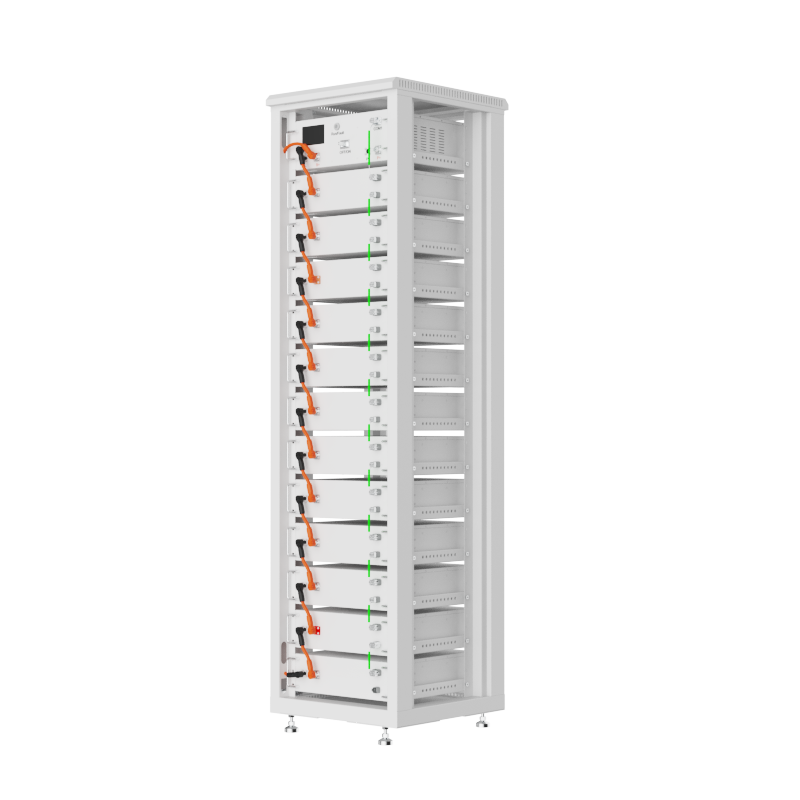
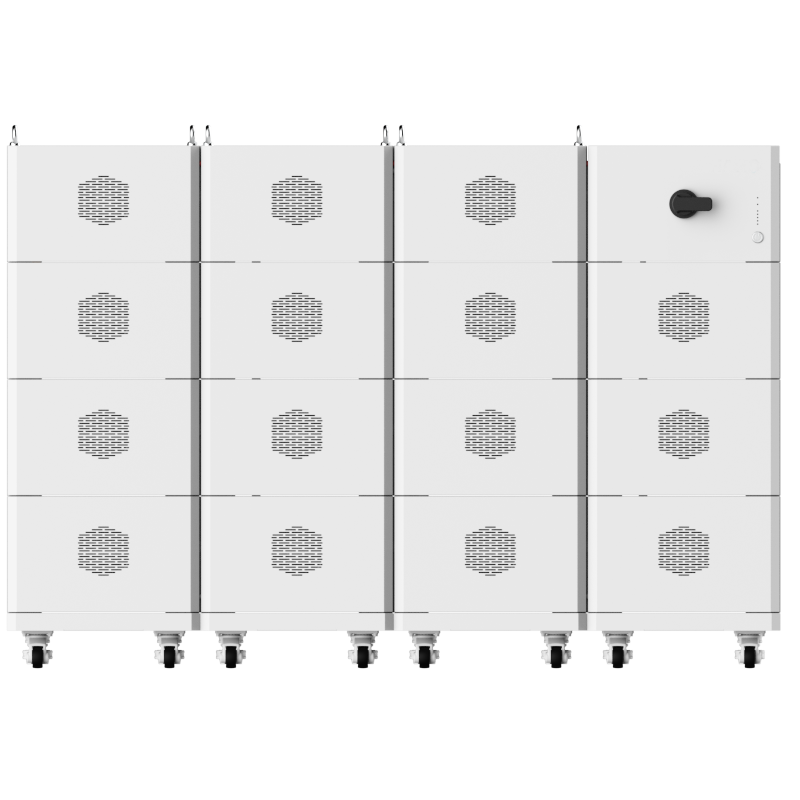
Consider a procurement team sourcing a 30.72 kWh high-voltage stackable system from an OEM energy storage factory for a residential microgrid project. Before confirming the order, the team requests a factory inspection report covering cell grading data, module weld inspection records, BMS test logs, aging test results, and certification copies. The factory provides documentation showing that all cells were graded within 2 percent internal resistance variance, aging tests ran for 72 hours with capacity retention above 98 percent, and IEC62619 certification was issued by an accredited lab. This transparency level enables the buyer to proceed with confidence and provides a traceability baseline for warranty claims throughout the 10-year service life.
Frequently Asked Questions
Q: What is the most critical quality inspection step in an OEM energy storage factory?
Aging tests are widely considered the most critical step because they expose early-life failures under simulated operating conditions. A 100 percent full inspection during aging ensures that only units with verified capacity, thermal stability, and communication integrity are shipped to customers.
Q: How can buyers verify that an OEM energy storage factory conducts genuine quality inspections?
Buyers should request detailed inspection reports including cell grading data, BMS test logs, aging test records, and third-party certification documents. Visiting the factory for an on-site audit or commissioning a third-party inspection agency are additional verification methods.
Q: What certifications should a reliable OEM energy storage factory hold?
Key certifications include IEC62619 for battery safety, CE for European compliance, UN38.3 for transport safety, UL for North American markets, and VDE for German grid connection. The factory should also maintain ISO 9001 quality management system certification.
Comparison Tables
Key Quality Inspection Stages in OEM Energy Storage Factory
|
Inspection Stage |
Key Parameters |
Typical Method |
Pass Criteria |
|
Cell Screening |
Internal resistance, capacity, voltage |
Automated cell sorter |
Impedance variance < 5% |
|
Module Assembly |
Weld quality, insulation resistance |
Laser weld inspection, hipot test |
No internal shorts detected |
|
BMS Testing |
Protection functions, communication |
Functional test bench |
All protections trigger correctly |
|
Aging Test |
Capacity retention, thermal behavior |
48-72h charge-discharge cycling |
Capacity > 98% of rated |
|
Final Validation |
Round-trip efficiency, protocol comms |
Full system test |
RTE >= 90%, comms stablea |
 Hot News
2026-08-25
2026-08-18
2026-08-13
2026-08-08
2026-08-03
2026-06-28

 EN
EN