 ×
×
The shift from simple battery backups to fully integrated energy ecosystems has fundamentally changed how engineers design power infrastructure. At the center of this shift is the high voltage battery system—a product category that excels precisely because of its ability to connect with, communicate with, and optimize multiple energy devices simultaneously. Understanding how these interconnections work is essential for anyone specifying, installing, or operating modern energy storage solutions.
The first and most consequential decision in any energy storage deployment is voltage architecture. Low-voltage systems, typically operating at 48V, require high currents to deliver the same power levels as higher voltage alternatives. This creates real engineering problems: heavier cable gauges, greater resistive losses, more heat generation, and ultimately lower round-trip efficiency.
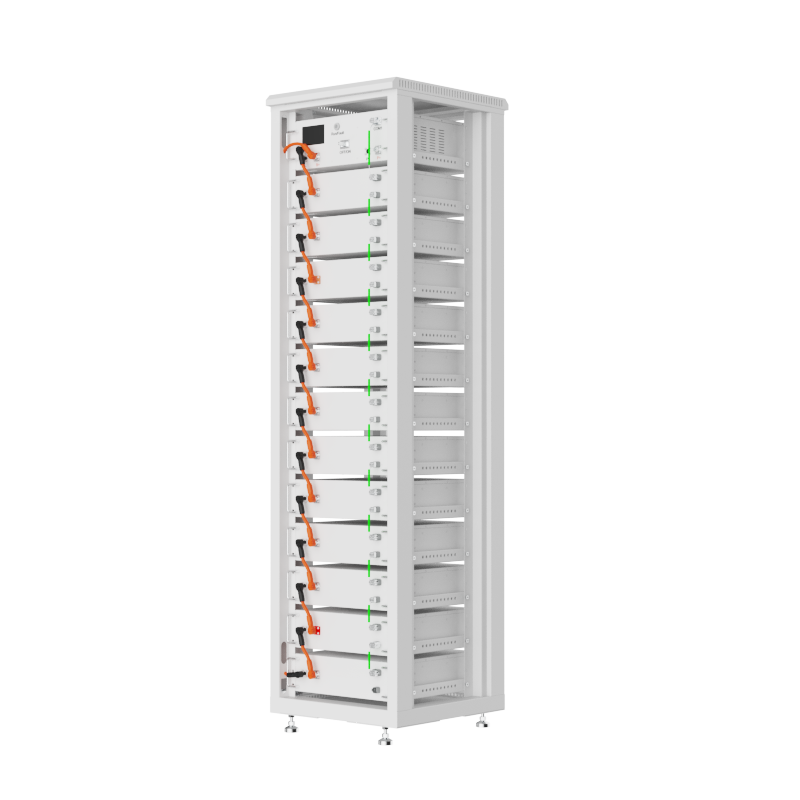
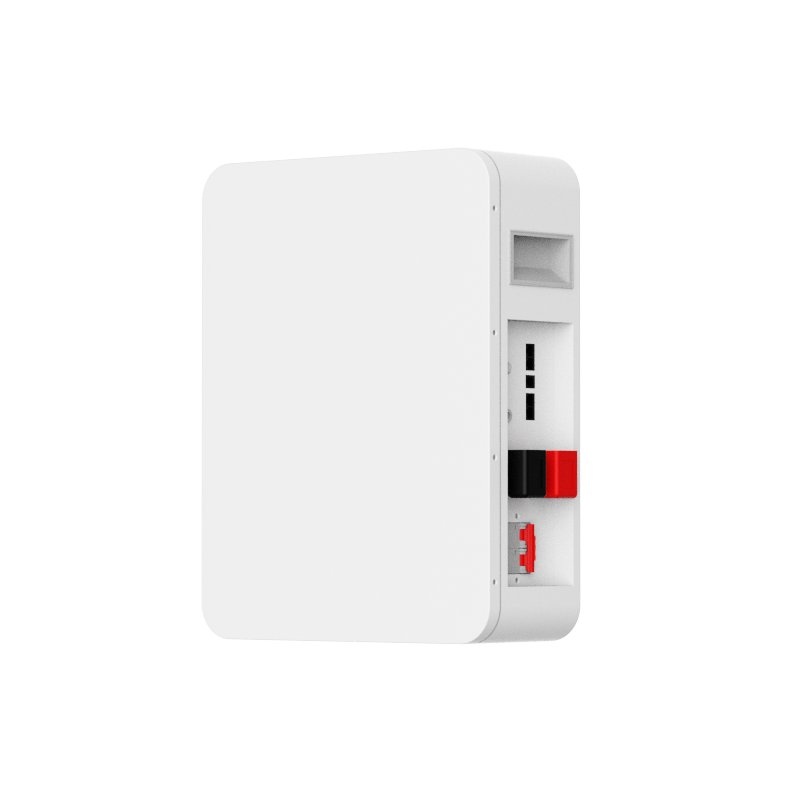
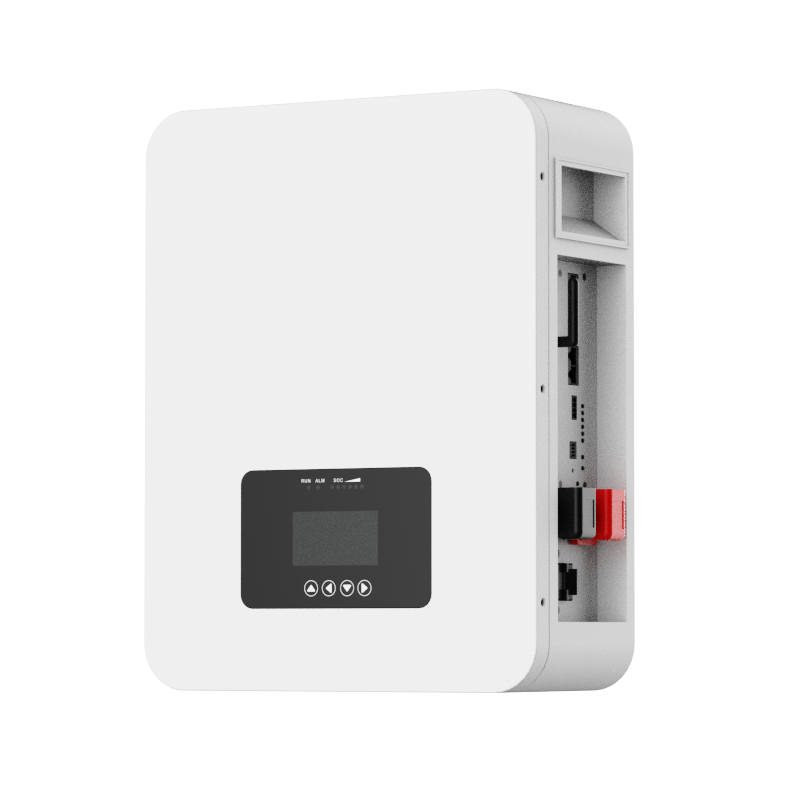
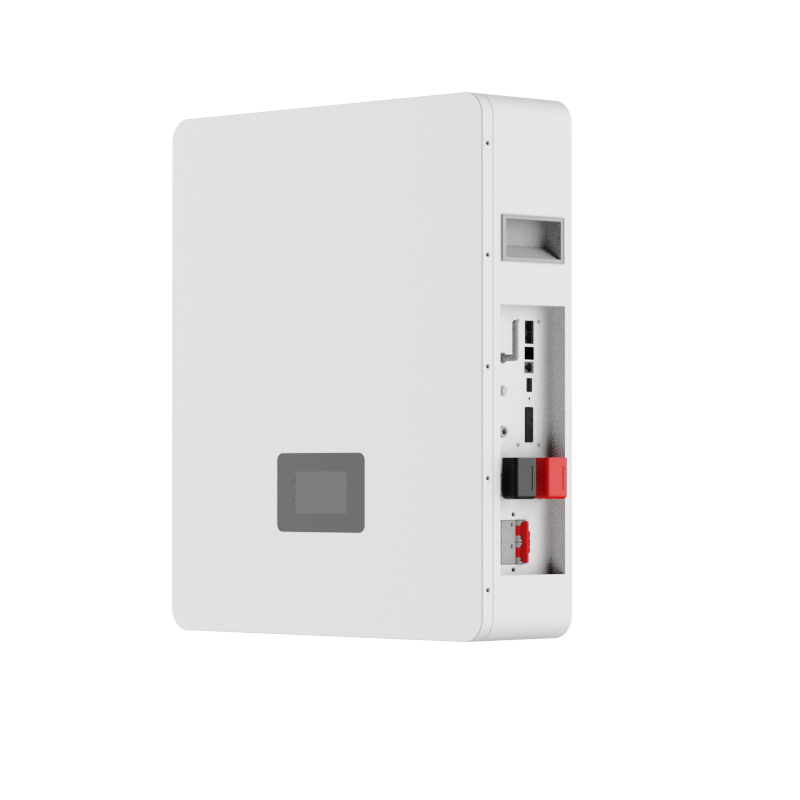
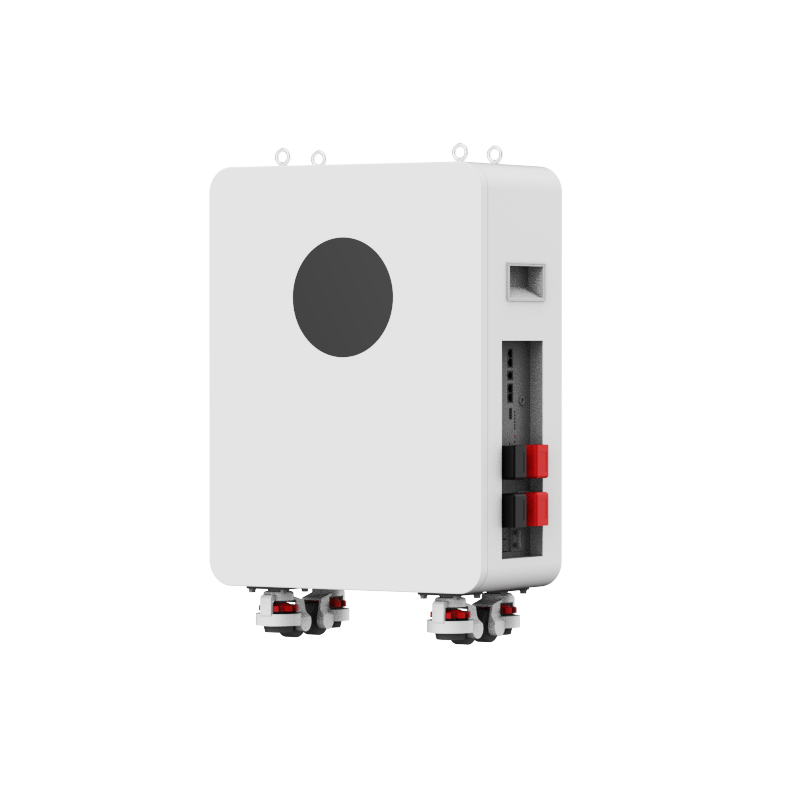
High voltage battery systems such as the Helio HN-HVS5 operate across a voltage range of 204.8V to 614.4V, achieved by stacking 2 to 6 modular 102.4V battery blocks in series. This configuration allows the battery bank to interface directly with the high-voltage DC bus of grid-tied or hybrid inverters, maintaining current at manageable levels even when delivering substantial power output. The result is a cleaner, more efficient energy pathway from generation to storage to consumption.
The most critical integration point for any high voltage battery system is the inverter. Modern high-voltage hybrid inverters from manufacturers including SolarEdge, Sungrow, Goodwe, Growatt, and Huawei are engineered to accept battery DC bus voltages in the 200V–700V+ range. The Helio high voltage platform aligns precisely with this operating envelope, allowing Helio battery modules to function as drop-in capacity upgrades for projects already using these inverter brands.
Communication between the battery management system (BMS) and the inverter is handled via standardized protocols. The CAN bus and RS485 interfaces embedded in Helio's BMS control box enable real-time data exchange: state of charge, cell temperature, charge and discharge current limits, and fault status. This telemetry allows the inverter to dynamically manage charging curves, preventing overcharging at end of cycle and protecting cell longevity over thousands of charge-discharge iterations.
In practical terms, this BMS-to-inverter communication is what enables intelligent features like time-of-use optimization, peak shaving, and demand response. The inverter does not simply push and pull current blindly—it makes informed decisions based on real-time battery state data delivered by the BMS.
A high voltage battery system operating within a grid-connected installation must interact intelligently with the utility supply. The inverter manages this boundary, but the battery system's voltage and capacity parameters set the operational envelope. During periods of excess solar generation, the inverter directs surplus energy into the battery bank at up to 100A charge current (Helio HN-HVS5 specification), storing energy that would otherwise be curtailed or exported at unfavorable feed-in tariff rates.
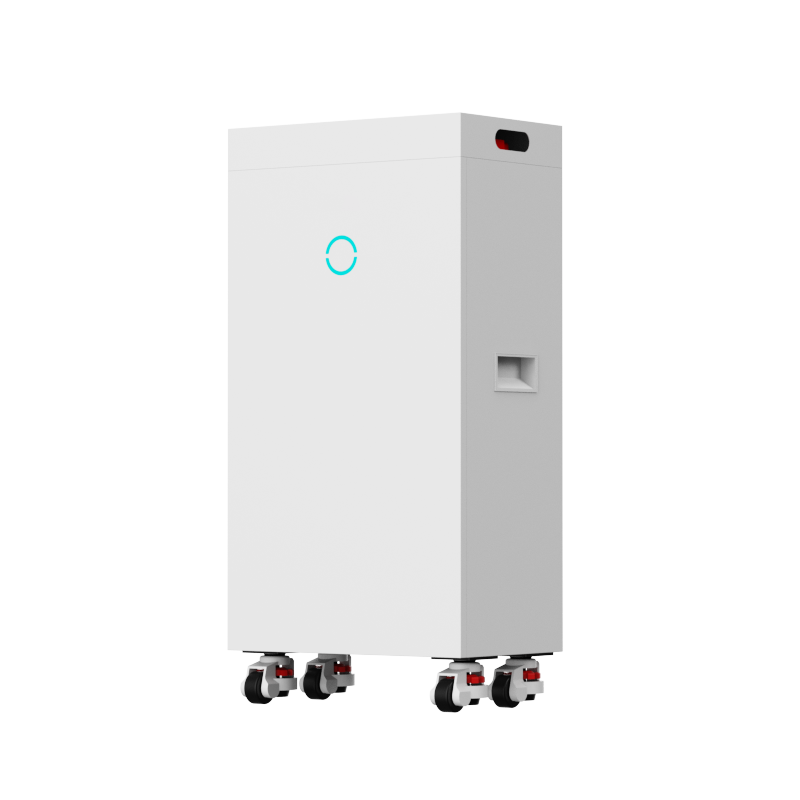
During grid outages or peak demand periods, the battery discharges through the inverter to supply AC loads. For installations with multiple Helio towers operating in parallel—up to five towers are supported—the system scales capacity linearly without creating voltage matching problems, because all towers share the same nominal voltage architecture. This multi-tower parallel configuration is particularly valuable for applications requiring 50kWh to 150kWh of usable storage within a single installation.
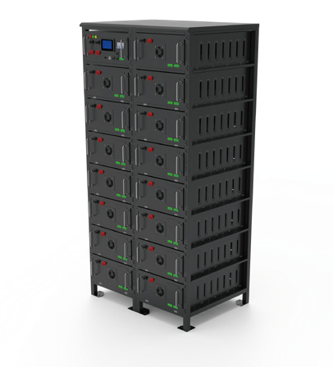
For commercial and industrial deployments using the Helio HL605 system, the voltage envelope extends further—from 102V up to 972V DC, depending on the number of 51.2V modules deployed in series (2 to 19 modules). This high-voltage capability enables direct connection to large commercial inverters and power conversion systems without intermediate step-up transformers, further reducing system complexity and energy losses.
In a typical solar-plus-storage installation, the solar PV array connects to the inverter's MPPT (maximum power point tracking) input. The battery system connects to the inverter's battery DC port. The inverter coordinates between these two sources, charging the battery from PV during daylight and supplementing or replacing grid supply from battery during evenings or outages.
Because Helio high voltage systems communicate cell-level data to the inverter in real time, the system can implement sophisticated charge management strategies. During winter months when PV output is reduced, the BMS can instruct the inverter to reduce charge current to avoid thermal stress at low temperatures—the HN-HVS5 specifies charge operation from 0°C to 55°C, with a broader discharge range of -10°C to 55°C.
For larger installations, the battery system's CAN/RS485 communication ports can connect to building energy management systems (BEMS) or cloud-based monitoring platforms. This enables portfolio-level visibility: operators managing multiple sites can monitor state of charge across their entire fleet, receive fault notifications, and adjust operating parameters remotely.
Helio's open-protocol BMS architecture ensures that integration is not locked to proprietary management software. Standard Modbus communication layers allow connection to third-party SCADA systems, energy trading platforms, and demand response aggregation services—an important consideration for commercial operators seeking to participate in grid balancing markets.
A high voltage battery system does not function in isolation—its value is realized through the quality of its connections to inverters, solar arrays, grid interfaces, and management systems. Helio has engineered its high voltage product line to maximize compatibility across all of these integration points: standardized communication protocols, broad voltage operating ranges, modular scalability, and open-protocol BMS architecture. For integrators and end users evaluating high voltage energy storage, these connection capabilities are as important as raw capacity specifications. Visit Helioenergy.com to explore Helio's full high voltage battery system portfolio and technical documentation.
 Hot News
2026-08-25
2026-08-18
2026-08-13
2026-08-08
2026-08-03
2026-06-28

 EN
EN