 ×
Maintaining consistent performance across a large battery array is a constant challenge for energy storage operators. In lithium iron phosphate (LiFePO₄) battery packs, subtle differences in cell resistance, capacity, and temperature accumulate over time. Without real-time management, the weakest cell in a string ends up dictating the performance limit for the entire system.
Active balancing energy storage technology solves this bottleneck. By continuously transferring energy from high-charge cells to lower-charge ones, active balancing unlocks stranded capacity, cuts energy losses, slows cell degradation, and enhances operational safety. Here is a detailed look at how active charge redistribution transforms battery performance and lowers total cost of ownership.
When a LiFePO₄ battery pack operates without effective balancing, cell-level state-of-charge (SOC) divergence restricts the total energy the system can deliver. Charging halts as soon as the strongest cell reaches its upper voltage limit, while discharging stops the moment the weakest cell hits its cutoff threshold.
This leaves a significant fraction of energy trapped inside the remaining cells. Active balancing addresses this charge mismatch by dynamically shuttling energy across cells during both charge and discharge cycles, narrowing the SOC spread to under 2%.
In field installations, precise cell equalization recovers between 12% and 18% of usable capacity that would otherwise remain unusable. For a commercial 100 kWh storage system, that means gaining up to 18 kWh of additional usable energy on every single cycle.
Over thousands of charge-discharge cycles, this recovered energy delivers a direct financial return for commercial and industrial energy storage installations. Keeping every cell within its optimal voltage range prevents premature system cutoffs, maintaining system performance close to nameplate ratings throughout its service life.
Traditional passive balancing systems manage cell divergence by bleeding off excess energy as heat through balance resistors. This approach wastes between 4% and 8% of input energy while adding unnecessary thermal stress to the battery enclosure.
Active balancing replaces energy dissipation with non-dissipative charge transfer. Energy is harvested from stronger cells and directed precisely where it is needed, keeping cell-to-cell voltage deltas below 10 millivolts. By minimizing internal resistance mismatches, active balancing improves full-cycle round-trip efficiency by 3 to 5 percentage points, helping modern LiFePO₄ systems achieve overall round-trip efficiencies exceeding 94%. In behind-the-meter applications such as peak shaving and solar self-consumption, every extra percentage point of efficiency translates directly into lower utility charges.
Cell aging in multi-cell battery packs is rarely uniform. Variations in internal resistance and thermal exposure cause individual cells to age at different rates. Active balancing mitigates these divergent aging factors by maintaining tight control over cell voltages and operating temperatures.
Equalizing cell voltages prevents localized hotspots from forming during heavy charge or discharge periods. Active balancing maintains temperature differentials across a module within a tight 2°C window. Preventing temperature spikes reduces the growth rate of the resistive solid electrolyte interphase (SEI) layer on cell anodes—one of the primary chemical drivers of permanent capacity loss.
Because elevated operating temperatures significantly accelerate chemical degradation, smoothing out localized hotspots directly slows down thermal aging. Preventing localized overcharging and deep discharging also protects cathode and anode structures from physical micro-cracks. This creates a uniform aging profile across the entire pack, ensuring that the lifespan of the overall system is no longer constrained by its weakest cell.
Long-term comparative testing reveals clear durability gains when active balancing is enabled. In side-by-side cycling tests of identical LiFePO₄ battery modules, actively balanced packs retained roughly 92% of their original capacity after 2,000 full-depth cycles, whereas passively balanced packs dropped to 88%.
This difference represents a 32% reduction in the rate of capacity fade, effectively adding 400 to 600 full operational cycles before reaching typical replacement thresholds. For microgrids, solar-plus-storage projects, and grid-support facilities, postponing battery module replacements by several years lowers the levelized cost of storage and improves project payback timelines.
Safety remains a top priority in high-density energy storage deployments. High charge rates, heavy duty cycles, and environmental heat can create thermal stress points that increase operational risk if left unmonitored.
Active balancing adjusts charge distribution dynamically to keep individual cells from overcharging or overheating. In demanding applications such as grid frequency regulation or heavy industrial load shifting, active redistribution lowers peak cell temperature spikes by up to 15°C compared to passive balancing setups.
Eliminating hotspots substantially reduces the risk of localized thermal breakdown—the primary catalyst for cascading thermal runaway events in dense battery enclosures. Maintaining tight voltage and temperature control enhances safety margins, ensuring reliable operation even under aggressive power profiles.
Modern active balancing platforms integrate continuous cell-level monitoring with predictive health algorithms. By tracking individual cell voltage behaviors and impedance shifts over time, the system forecasts potential degradation trends before they develop into operational faults.
This predictive insight allows maintenance crews to schedule targeted servicing during planned downtime windows rather than reacting to sudden system trips. Field reports show that predictive balancing algorithms can reduce unscheduled maintenance events by up to 31% while lowering 5-year maintenance costs by more than 20%. For mission-critical infrastructure like data center backup power and hospital microgrids, avoiding unexpected outages provides invaluable operational stability.
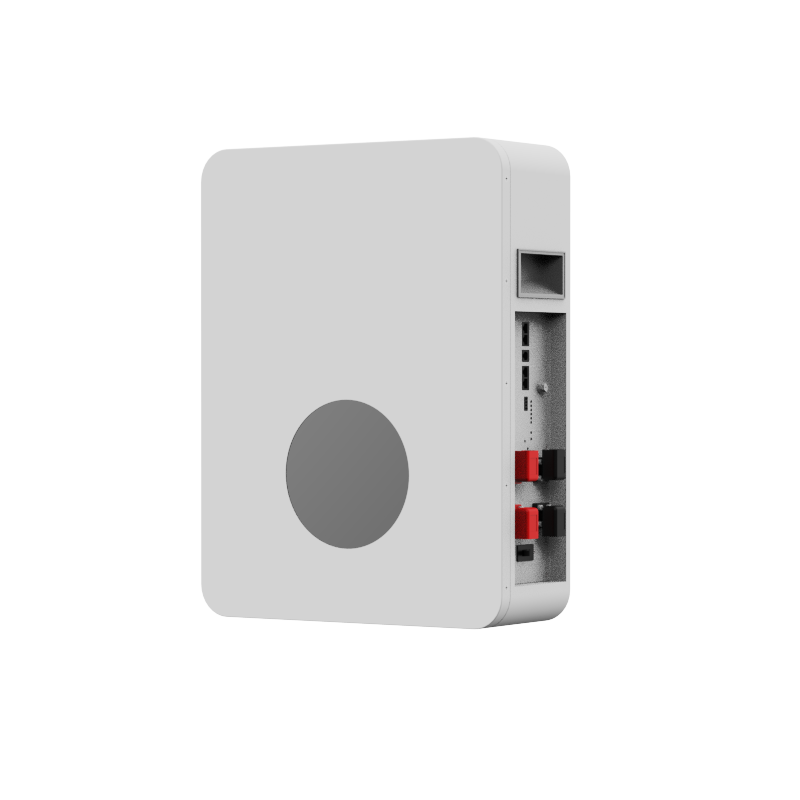
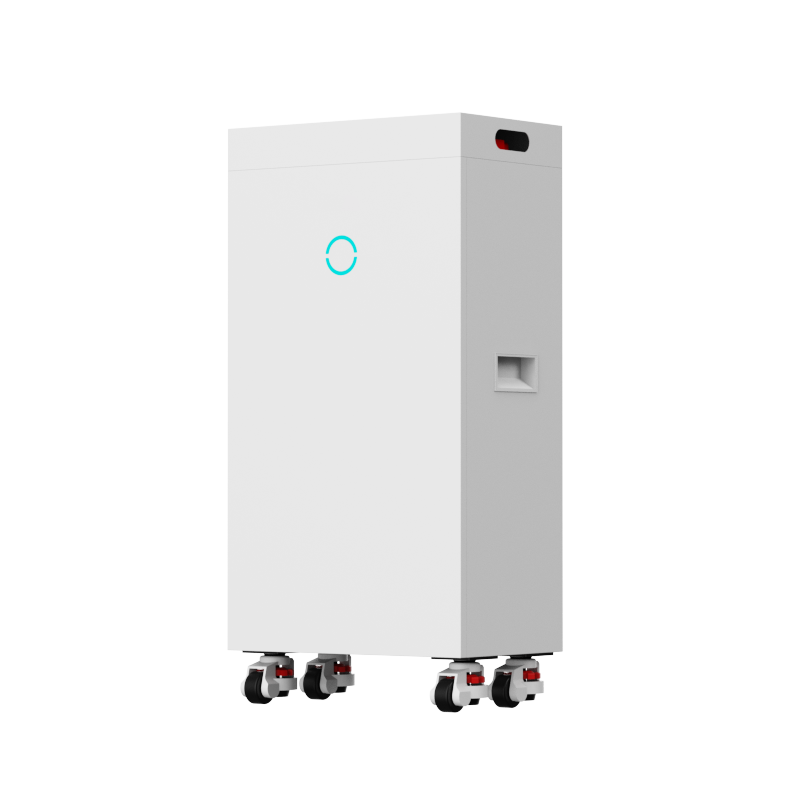
Delivering safe, high-capacity LiFePO₄ energy storage systems requires robust mechanical packaging, precise thermal engineering, and intelligent BMS integration. For system integrators and commercial equipment distributors, sourcing dependable hardware backed by solid manufacturing support is essential.
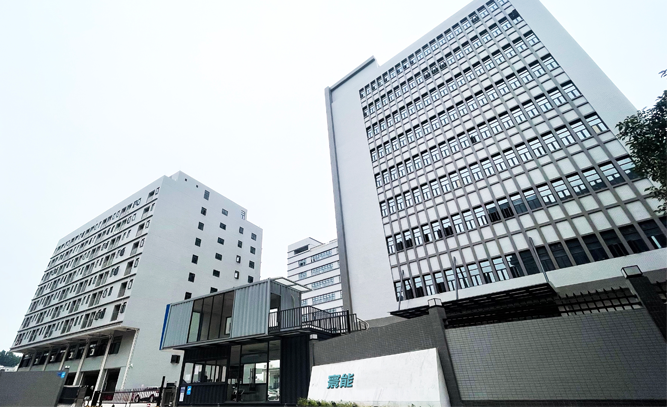
Established energy storage providers like Helio Energy deliver fully integrated battery modules featuring advanced active balancing BMS architectures, high-grade LiFePO₄ cell configurations, and end-to-end OEM/ODM customization options. With automated manufacturing facilities and a reliable global supply chain, Helio Energy enables commercial partners to deploy safe, long-life energy storage installations that maximize usable capacity and deliver predictable economic performance over years of continuous operation.
 Hot News
2026-08-25
2026-08-18
2026-08-13
2026-08-08
2026-08-03
2026-06-28

 EN