 ×
×
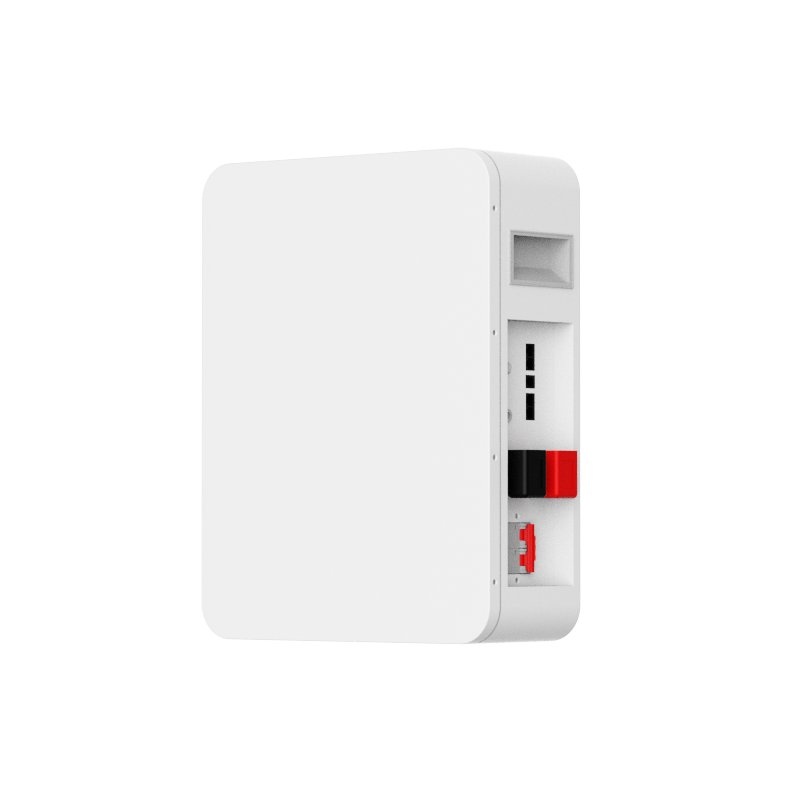
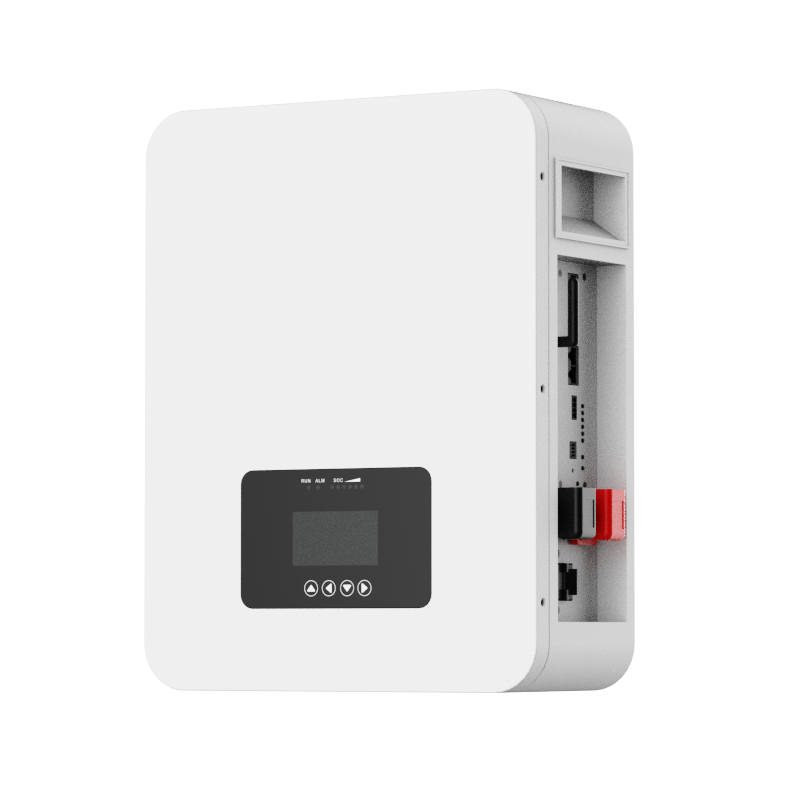
Installing a wall mounted solar battery requires far more than driving a few screws into wooden studs. A typical home energy storage unit weighs anywhere from 120 to 150 kilograms (265 to 330 pounds), imposing continuous static load on the supporting wall alongside dynamic vibration and potential seismic stresses over a 10- to 15-year service life.
To pass building inspections, satisfy national safety codes, and prevent catastrophic structural or thermal failures, installers must carefully evaluate wall substrates, mounting anchors, clearance corridors, and environmental ventilation. Here is a technical guide to meeting structural standards and site requirements for residential energy storage systems.
The wall surface behind a home battery acts as a critical fire barrier. In the rare event of a severe electrical fault or localized overheating, the wall substrate must prevent flames from penetrating structural wall cavities or spreading into living quarters.
Standard drywall (gypsum board) provides minimal fire containment during an intense thermal event. Under direct flame exposure, the chemically bound water molecules inside gypsum vaporize quickly, causing the board to shrink, crack, and collapse—often in less than 30 minutes.
When drywall loses its structural core, heavy mounting brackets tear away from the wall, dropping the heavy battery unit and exacerbating mechanical damage. National safety standards like NFPA 855 and NEC Article 706 explicitly mandate non-combustible mounting surfaces that achieve at least a 1-hour fire-resistance rating under ASTM E119 testing.
To ensure code compliance and structural safety, installation teams must mount wall batteries directly onto approved fire-rated substrates:
Poured Concrete: Concrete easily withstands temperatures above 1,000°C for hours without losing structural strength, offering the most stable foundation for heavy energy storage hardware.
Solid Masonry and CMU Blocks: Concrete masonry units retain their integrity under intense thermal stress, provided heavy-duty anchors engage the solid web or grouted cores of the block.
Structural Steel and Cement Backer Board: Where solid masonry is unavailable on framed walls, replacing standard drywall with high-density cement backer board or mounting onto heavy-gauge steel framing satisfies non-combustible code criteria.
Supporting a 130 kg energy storage unit demands rigorous structural verification. Under international building codes (such as IBC 2021), a supporting wall structure and its anchoring hardware must be rated to support at least five times the total equipment weight as a built-in safety factor.
Different wall materials require specific anchoring hardware to prevent pull-out failure:
Concrete and Solid Brick: Heavy-duty stainless steel wedge anchors or chemical epoxy anchor systems rated for high shear and tensile loads represent the gold standard. Wedge anchors should provide a certified shear strength of at least 2,000 lbs.
Framed Stud Walls: Fasteners must drive directly into the center of solid structural wood studs using heavy-duty lag screws or structural timber screws. Standard drywall anchors or hollow-wall toggle bolts should never be used under any circumstances.
Distribution and Torsional Balance: Installers should utilize a minimum of four distinct anchoring points across the mounting bracket. Spreading the weight across multiple anchor sites distributes shear stress evenly and prevents torsional twisting on the battery frame. Performing field pull-out tests on sample anchors before hanging the battery confirms substrate density and installation depth.
Correct spatial placement is just as essential as choosing the right wall anchors. Without adequate working space and unimpeded airflow, energy storage hardware risks thermal derating, premature component wear, and safety violations.
Electrical codes mandate a strict 30-inch (762 mm) wide clear working space in front of and around the battery unit. Per NEC 110.26 standards, this dedicated working corridor must extend from the floor up to 6.5 feet in height, keeping the space entirely clear of stored items, plumbing pipes, or structural overhangs.
This safety buffer ensures that service technicians can safely inspect, test, or replace internal components without tripping hazards. It also guarantees unobstructed egress for emergency responders during a facility incident. Building inspectors measure working clearance from the outermost edge of the enclosure or local disconnect switch; non-compliant setups routinely fail inspection, forcing costly wall re-work.
While modern lithium iron phosphate (LiFePO₄) cells do not off-gas during normal operation, they rely heavily on ambient air convection to shed internal heat. Blocking passive air channels causes heat to accumulate around the battery casing, triggering auto-protective power throttling and accelerating cell degradation.
Because heat stratifies rapidly in small, unventilated volumes, safety standards explicitly prohibit battery installations in attics, lofts, stairwells, and small enclosed closets. In an unventilated 2-square-meter utility closet, ambient temperatures can spike by 15°C to 20°C during a single fast-charging cycle, cutting battery calendar life by up to 40%. Approved indoor sites include open garage bays, spacious basements, and dedicated utility rooms equipped with stable air volume and natural convection channels.
Installing wall mounted batteries outdoors frees up indoor footprint while keeping thermal management outside living areas. However, outdoor installations introduce harsh environmental challenges like driving rain, blowing dust, freezing conditions, and direct sunlight.
An IP67 rating provides superior environmental protection for outdoor energy storage hardware. The first digit ('6') signifies complete dust-tight performance, preventing fine airborne particulates from entering the enclosure and coating circuit boards or heat sinks. The second digit ('7') verifies that the unit remains completely sealed against water ingress even during temporary water immersion up to 1 meter for 30 minutes.
This high level of sealing protects internal high-voltage electronics during severe weather events, flash floods, or high-pressure rainstorms. Beyond the IP-rated enclosure itself, all external mounting brackets, bolts, and wall anchors must feature corrosion-resistant construction—typically grade A2/A4 stainless steel or hot-dip galvanized steel—to prevent rust streaking, galvanic corrosion, and structural fatigue over decades of weather exposure.
When installing energy storage systems in garages, unfinished basements, or dedicated utility spaces, systems must align with regional safety standards such as NFPA 855. These standards restrict residential battery capacity to 20 kWh per individual unit and mandate interconnected smoke and heat alarms across the installation area.
Basement installations require strict adherence to moisture control, minimum working clearances, and elevated mounting positions to protect equipment from potential standing water. Furthermore, auxiliary electrical outlets located within the vicinity of the battery system must incorporate GFCI circuit protection to eliminate shock hazards during routine maintenance.
Successfully manufacturing, shipping, and installing wall mounted solar batteries requires rigorous attention to mechanical design, thermal validation, and structural engineering. Enclosures must deliver high structural strength, certified weatherproofing, and intuitive mounting systems that make installation straightforward for field crews.
Enterprise customers, energy developers, and equipment distributors rely on experienced manufacturing partners to deliver consistent product quality. Industry suppliers like Helio Energy offer fully certified wall mounted energy storage solutions engineered to meet demanding international building codes, fire standards, and IP ratings. By pairing high-precision cell manufacturing with robust structural design and responsive OEM/ODM services, Helio Energy ensures that every wall mounted battery unit delivers long-term durability, smooth code compliance, and reliable performance in any installation environment.
 Hot News
2026-08-25
2026-08-18
2026-08-13
2026-08-08
2026-08-03
2026-06-28

 EN
EN