 ×
×
When energy storage distributors and EPC contractors place bulk orders, the procurement channel they choose directly determines their gross margins, delivery reliability, and after-sales accountability. Purchasing through trading companies or intermediaries introduces multiple layers of markup, communication latency, and technical ambiguity. Every middleman in the chain adds 8% to 15% to the unit cost without contributing engineering value. More critically, when a technical issue arises—a BMS firmware glitch, a cell balancing anomaly, or a certification documentation gap—the trading company can only forward queries to the actual manufacturer, creating days of delay while an installation sits idle. An oem energy storage factory, by contrast, gives buyers direct access to the engineering team that designed the product, the quality control lab that tested it, and the production line that built it.
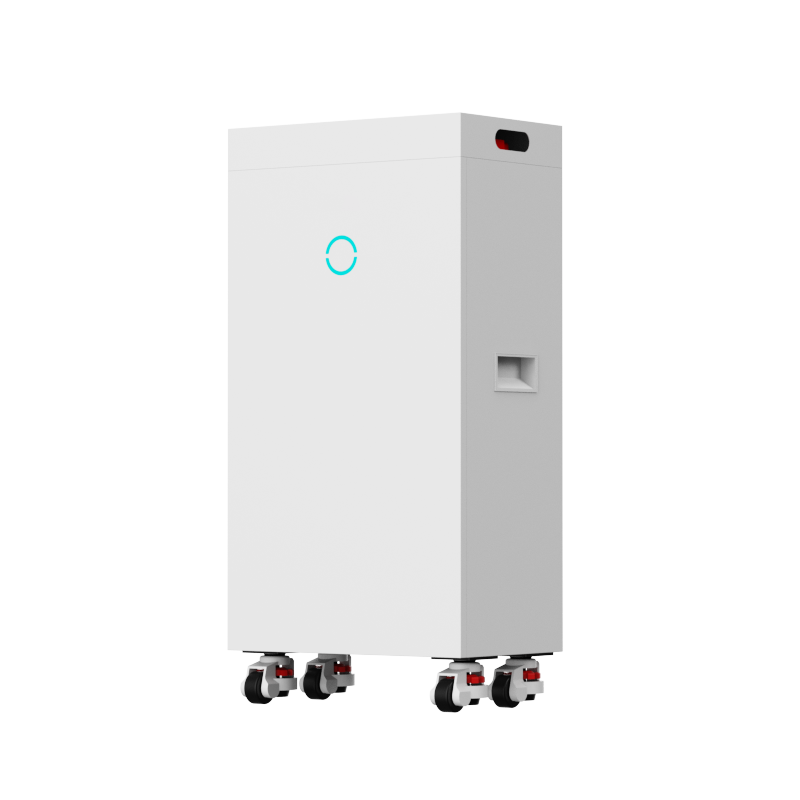
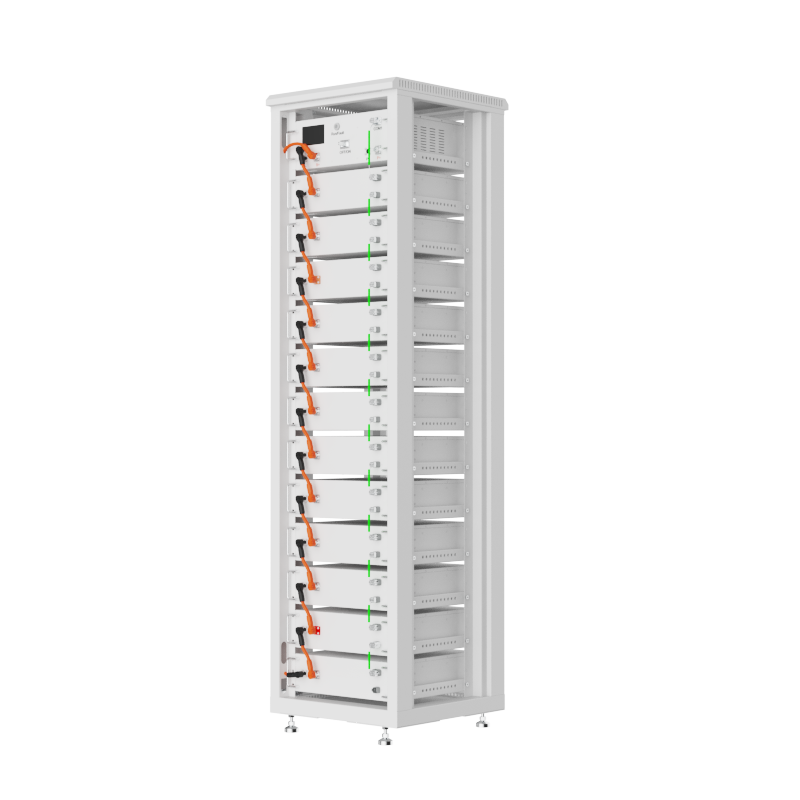
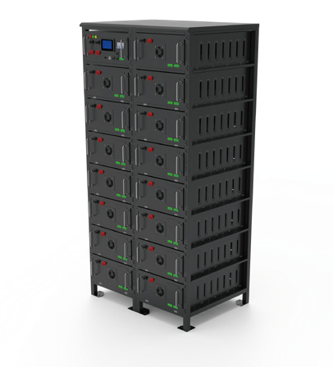
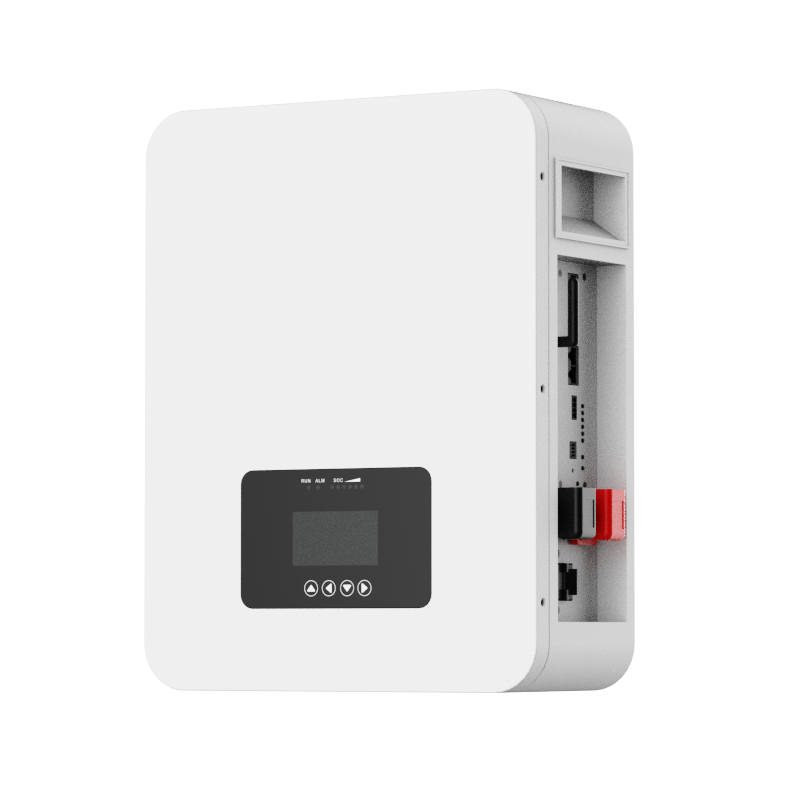
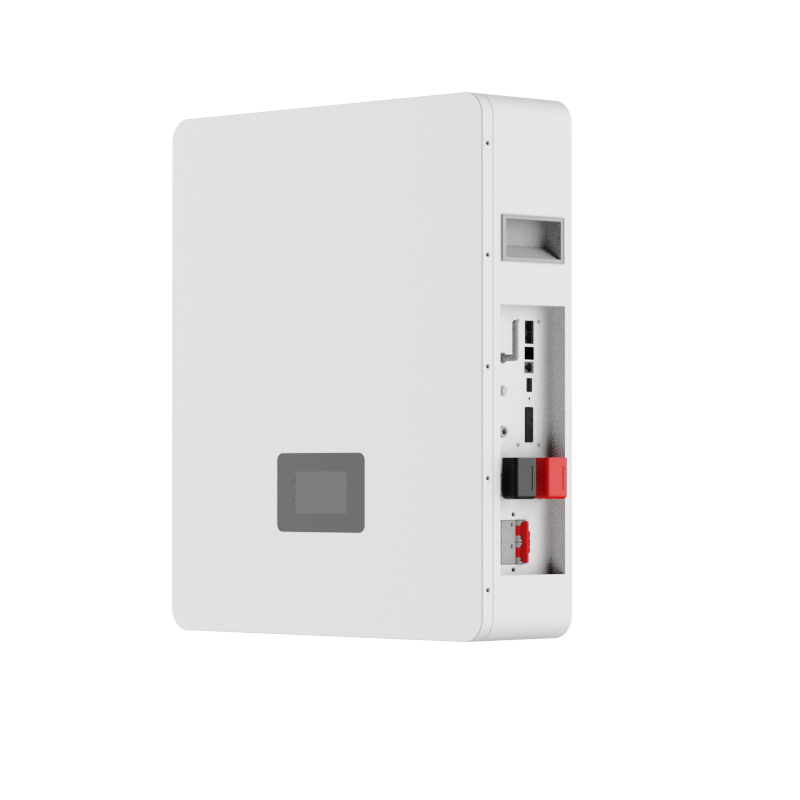
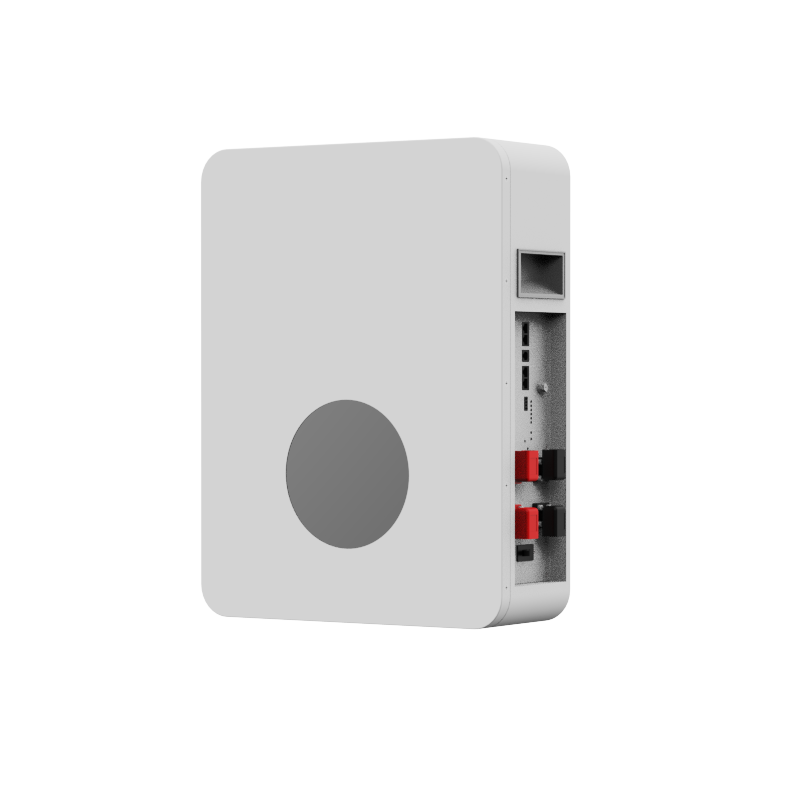
A structural advantage of partnering with an oem energy storage factory is the ability to standardize procurement across diverse project requirements. Consider a distributor serving markets in Africa, the Middle East, and Southeast Asia. Residential projects in Nigeria may require 5kWh low-voltage wall-mounted units, while commercial solar farms in the UAE demand 100kWh+ high-voltage cabinet systems. If the distributor sources from three different trading companies, they manage three separate warranty policies, three sets of shipping documentation, three incompatible monitoring platforms, and three sets of customs compliance paperwork. Working with a single oem energy storage factory that produces the full spectrum—from 2.5kWh residential modules to 241kWh stackable high-voltage systems—collapses this complexity. One warranty agreement, one logistics contact, one quality standard (IEC62619, CE, UN38.3), and one set of bankable test reports cover the entire product portfolio. This SKU consolidation reduces inventory carrying costs, simplifies technician training, and accelerates customs clearance because all products share the same manufacturer certification package.
Bulk orders rarely involve off-the-shelf products alone. Large projects often require modifications: adjusting BMS charge/discharge thresholds to match a specific inverter brand, relabeling units with the buyer's brand identity, changing cell configurations to meet local utility interconnection standards, or even designing entirely new enclosure form factors for space-constrained installation sites. When a buyer works through a trading company, every customization request passes through a non-technical intermediary who must translate requirements, often introducing errors. An oem energy storage factory with a dedicated R&D team of over 60 engineers can evaluate customization feasibility within hours, not days. The buyer speaks directly to the battery engineers who understand cell chemistry constraints, BMS firmware limitations, and thermal management trade-offs. This direct technical dialogue prevents the specification drift that commonly occurs when requirements are relayed through multiple parties.
For bulk procurement exceeding 100 units, professional buyers routinely commission factory audits and pre-shipment inspections. An oem energy storage factory operating a 50,000-square-meter manufacturing base with over 20 professional testing systems can accommodate these audits transparently. The buyer's quality engineer can walk the production line, observe the automated cell sorting and matching process, verify welding quality on busbar connections, and witness the full-charge aging test that every battery module undergoes before packaging. Trading companies cannot provide this access—they often contract manufacture across multiple factories, making consistent quality assurance nearly impossible. When a single batch contains modules from different production lines, cell internal resistance variance can exceed 5%, creating long-term balancing challenges that only emerge after 500+ cycles. An oem energy storage factory with integrated manufacturing guarantees that every module in a bulk order comes from the same calibrated production line, with cell matching tolerances typically within 1% of nominal internal resistance.
Lithium battery products classified as Class 9 hazardous materials (UN38.3) face complex international shipping regulations. An experienced oem energy storage factory maintains pre-approved dangerous goods packaging certifications, established relationships with specialized lithium battery freight forwarders, and documented compliance with IATA, IMDG, and ADR transport codes. For bulk orders shipping 40-foot containers to multiple destination ports, this logistical expertise translates into faster booking confirmations, fewer customs holds, and accurate Harmonized System (HS) code classification. A trading company that ships energy storage products only occasionally may misclassify goods, triggering expensive re-inspection fees at the destination port. Worse, the buyer may discover upon arrival that the UN38.3 test summary document was issued for a different product model, rendering the entire shipment non-compliant with local regulations.
A Dubai-based energy storage distributor had been sourcing residential battery systems through two different Southeast Asian trading companies for three years. Their annual volume had grown to approximately 4,000 units, but they faced persistent problems: 12% of shipments arrived with minor cosmetic damage due to inconsistent packaging standards, warranty claim resolution averaged 47 days because each claim required three-way communication between the buyer, the trading company, and the unnamed factory, and different product batches showed erratic cell balancing behavior that confused their installation technicians. The distributor's procurement director decided to evaluate direct oem energy storage factory partnerships. After auditing three manufacturers, they selected a factory with integrated cell sorting, automated module assembly, and in-house UN38.3 testing capability. Within the first year of direct sourcing, their warranty resolution time dropped to 11 days, packaging-related damage fell below 2%, and their technicians reported dramatically improved installation consistency because all modules behaved identically. The buying price decreased by 22% after eliminating trading company margins, while product quality measurably improved. The distributor reinvested these savings into expanding their service network across East Africa.
Before committing to bulk orders with an oem energy storage factory, buyers should assess five structural capabilities. First, verify that the factory operates its own cell sorting and matching line rather than purchasing pre-assembled modules—this distinguishes genuine manufacturers from assembly-only operations. Second, confirm that the factory holds valid, in-date certifications for the specific product models being ordered; a CE certificate issued for a 5kWh model does not cover a 15kWh variant. Third, request a sample production batch and independently test cell capacity, internal resistance, and self-discharge rate against the factory's datasheet claims. Fourth, evaluate the factory's warranty logistics: do they maintain regional spare parts inventories, or do warranty replacements ship from the factory only? Fifth, assess the engineering team's communication capability—can their engineers discuss BMS firmware modifications in precise technical English without relying on sales translators?
Q: What is the minimum order quantity for direct OEM factory procurement?
A: It varies by manufacturer and product complexity. For standard residential battery modules, typical MOQs range from 20 to 50 units. For custom-designed systems requiring new enclosure tooling or BMS firmware development, MOQs may start at 100 to 200 units to amortize engineering and tooling costs. Always negotiate MOQ separately for first-article samples versus mass production runs.
Q: How do I verify that an oem energy storage factory's certifications are genuine and current?
A: Request the full certification document package including certificate numbers, issuing body names, and validity dates. Cross-check these certificate numbers on the issuing laboratory's public database—TUV Rheinland, SGS, and Intertek all provide online certificate verification portals. Be suspicious of certificates that lack a clearly stated expiration date or testing standard reference.
Q: Can an oem energy storage factory handle both residential and commercial-scale products in a single bulk order?
A: Many established factories with diverse product lines can do this, as long as the total order value meets their minimum threshold per product category. This is actually one of the strongest arguments for OEM factory procurement: a single purchase order can cover low-voltage residential units, high-voltage stackable towers, and commercial cabinet systems, all backed by one warranty agreement and one logistics coordination point.
 Hot News
2026-08-25
2026-08-18
2026-08-13
2026-08-08
2026-08-03
2026-06-28

 EN
EN