 ×
×
For project developers and distributors, delayed delivery from an energy storage system manufacturer can cascade into missed grid connection deadlines, penalty clauses, and lost revenue. Unlike consumer electronics, energy storage systems involve heavy battery packs, precision BMS electronics, and certification documentation that cannot be rushed without compromising quality. Understanding how a manufacturer structures its production and supply chain to guarantee delivery time helps buyers evaluate supplier reliability before signing purchase agreements. This guide examines the operational pillars that enable consistent on-time delivery in the energy storage industry.
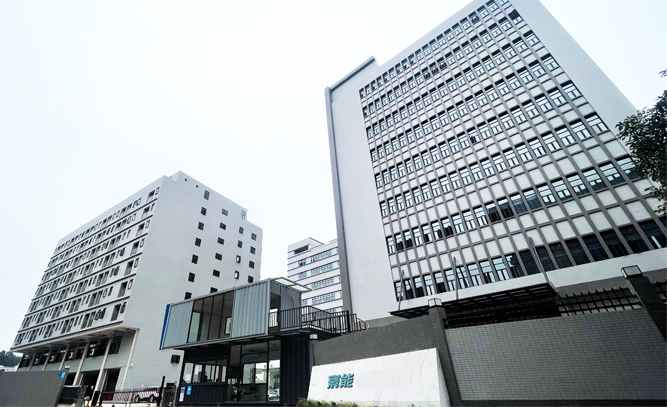
A capable energy storage system manufacturer operates a manufacturing base sized to handle both scheduled orders and surge demand. Key indicators include factory floor area, number of automated production lines, and annual shipment volume. A facility producing 200,000 units annually with 50,000 square meters of manufacturing space demonstrates the scale needed for volume orders. Equally important is the number of professional testing systems deployed on the production line. More than 20 testing stations along the assembly process mean that quality checks do not become a bottleneck when order volumes increase. Buyers should ask about current capacity utilization rates and whether the manufacturer reserves buffer capacity for priority orders.
Delivery delays often originate not on the factory floor but in the supply chain. A reliable energy storage system manufacturer maintains strategic inventory of critical components including LiFePO4 cells, BMS circuit boards, copper busbars, and structural enclosures. Cell procurement is particularly time-sensitive, as major cell manufacturers have their own lead times that can extend 8 to 12 weeks during peak demand. Manufacturers with established cell supply agreements and safety stock of 30 to 60 days can absorb upstream fluctuations without impacting customer delivery dates. Buyers should inquire about the manufacturer's primary cell suppliers, average component lead times, and whether safety stock policies are documented.
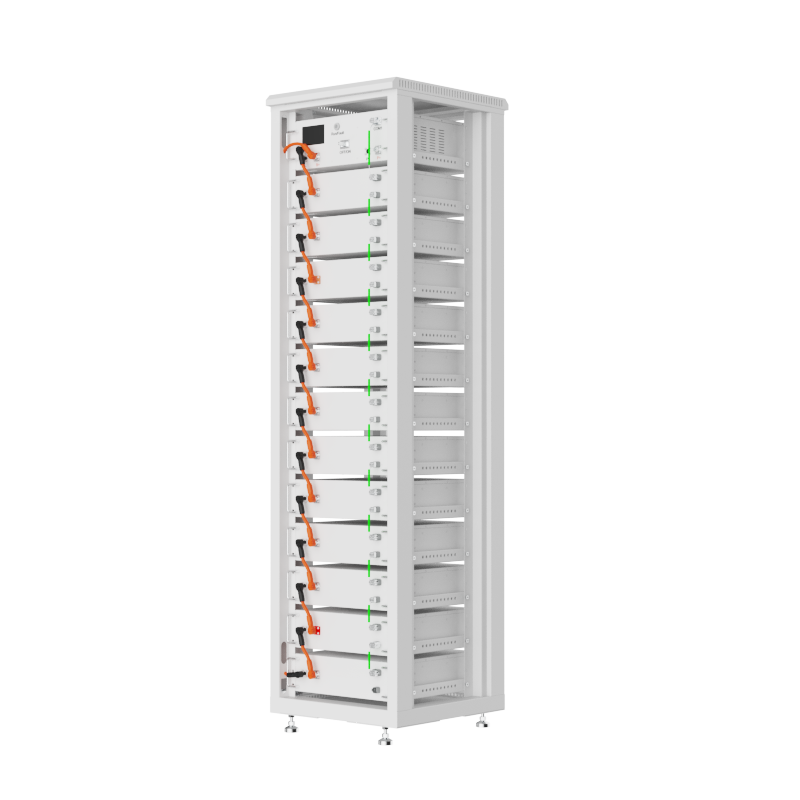
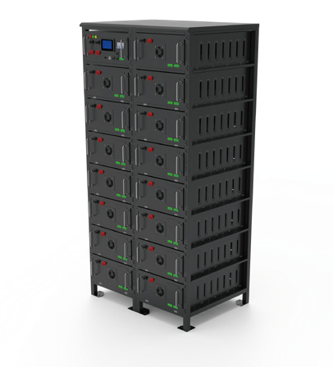
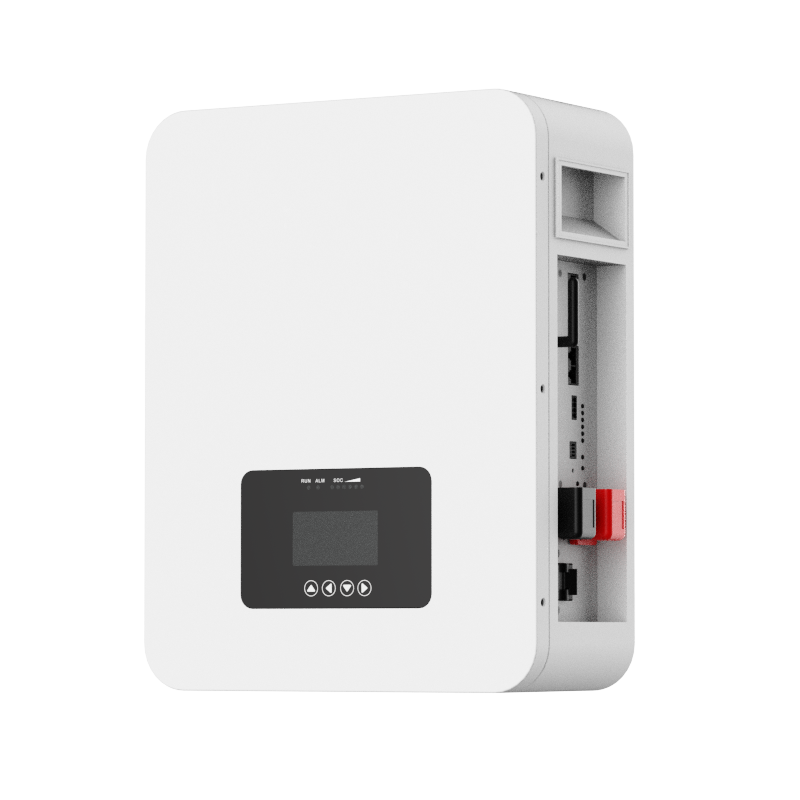
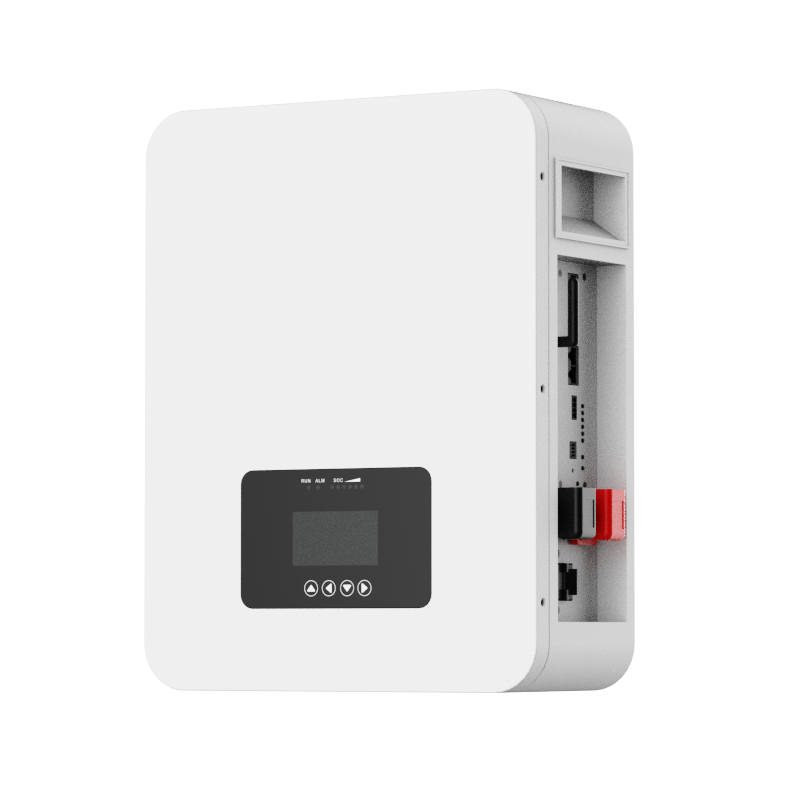
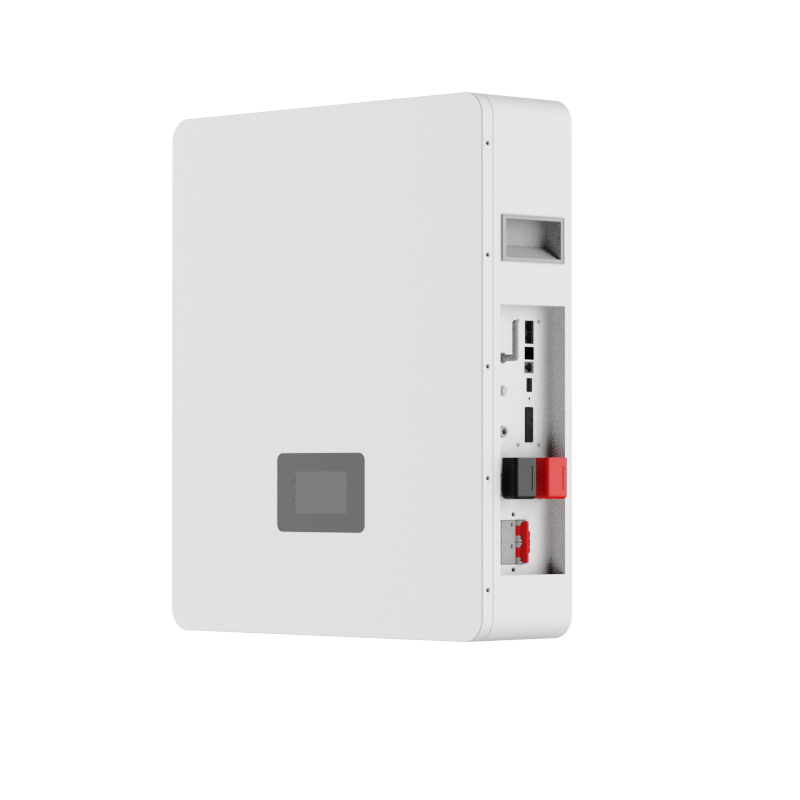
Product design directly influences production speed. An energy storage system manufacturer that designs around modular building blocks can assemble, test, and ship systems faster than one using bespoke configurations for each order. For example, a high-voltage stackable system built on standardized 102.4V 50Ah modules allows the factory to produce modules in bulk and then configure final capacity by stacking 2 to 6 modules per tower. This approach reduces SKU complexity, streamlines inventory management, and enables rapid final assembly. The modular architecture also means that partial shipments are possible: a buyer needing 30 kWh can receive a 3-module tower immediately and add modules later if cells are temporarily constrained.
An energy storage system manufacturer cannot sacrifice quality for speed. The key to guaranteed delivery time is integrating quality checkpoints into the production schedule rather than treating them as separate bottlenecks. Automated cell sorting equipment, inline weld inspection, and continuous aging test chambers allow parallel processing of multiple units. When aging tests run on a rolling 48 to 72 hour cycle, the factory can stage completed units daily rather than waiting for an entire batch to finish simultaneously. Manufacturers with 100 percent full inspection processes use automated test equipment that records results in real time, enabling same-day identification and rework of any unit that fails without halting the entire production line.
The final link in the delivery chain is logistics execution. An experienced energy storage system manufacturer has established procedures for packaging Class 9 hazardous materials, arranging sea freight or air freight, and preparing export documentation including UN38.3 test summaries and dangerous goods declarations. Manufacturers with export experience to Europe, Australia, Africa, and Central Asia understand the specific documentation requirements of each destination market. A typical delivery timeline from production completion to port departure is 7 to 14 days for sea freight bookings. Buyers should confirm whether the manufacturer's quoted delivery time includes logistics preparation or ends at factory ex-works, and whether the manufacturer can provide door-to-door service or works with the buyer's freight forwarder.
Consider a scenario where a distributor places a 200-unit order for commercial and industrial energy storage systems with a delivery window of 10 weeks. The energy storage system manufacturer confirms the order based on current cell inventory covering 60 percent of the requirement, with the remaining cells arriving within 4 weeks from a contracted supplier. Production begins immediately on module assembly using existing stock, while BMS boards and structural components are pulled from safety inventory. Aging tests are scheduled in rolling batches of 20 units, allowing continuous throughput. Final assembly and certification verification are completed in week 8, packaging and export documentation in week 9, and the container departs the port in week 10. This scenario illustrates how capacity planning, safety stock, and integrated scheduling work together to meet delivery commitments.
Frequently Asked Questions
Q: What is a typical delivery time for energy storage systems from a manufacturer?
Standard delivery time ranges from 4 to 8 weeks for stocked configurations and 8 to 12 weeks for custom or high-volume orders. Delivery time depends on cell availability, production capacity utilization, certification requirements, and logistics arrangements. Buyers should confirm whether quoted timelines include shipping or end at factory ex-works.
Q: How can buyers protect themselves against delivery delays?
Buyers can include delivery penalty clauses in purchase agreements, require the manufacturer to provide a production schedule with milestone dates, request weekly progress updates, and verify that the manufacturer maintains safety stock of critical components. Selecting a manufacturer with proven export experience to the buyer's destination market also reduces logistics-related delays.
Q: Does modular product design affect delivery speed?
Yes. Modular designs built on standardized components allow manufacturers to produce modules in bulk and configure final systems quickly. This reduces lead times, enables partial shipments, and simplifies inventory management compared to fully bespoke system configurations.
Comparison Tables
Factors Affecting Energy Storage Delivery Time
|
Factor |
Impact on Delivery |
Mitigation Strategy |
Buyer Verification |
|
Cell availability |
8-12 weeks lead time |
Safety stock 30-60 days |
Ask for cell supplier names |
|
Production capacity |
Bottleneck at high volume |
200,000 units/year capacity |
Request utilization rate |
|
Quality testing |
48-72h aging per batch |
Parallel test chambers |
Confirm 100% inspection |
|
Certification docs |
1-2 weeks preparation |
Pre-validated certificates |
Request copies upfront |
|
Export logistics |
7-14 days to port |
Experienced freight partners |
Confirm Incoterms |
 Hot News
2026-08-25
2026-08-18
2026-08-13
2026-08-08
2026-08-03
2026-06-28

 EN
EN