 ×
×
Energy storage systems must serve vastly different power load profiles: a household drawing 3 kW for evening lighting, a small workshop running 15 kW machinery during peak hours, or a commercial building needing 100 kW demand response. A modular high voltage energy storage system addresses this diversity by allowing installers to configure voltage, capacity, and current ratings to match the specific load profile. This guide examines the engineering principles that enable modular high voltage architecture to adapt across residential, commercial, and industrial applications without requiring entirely different product platforms.
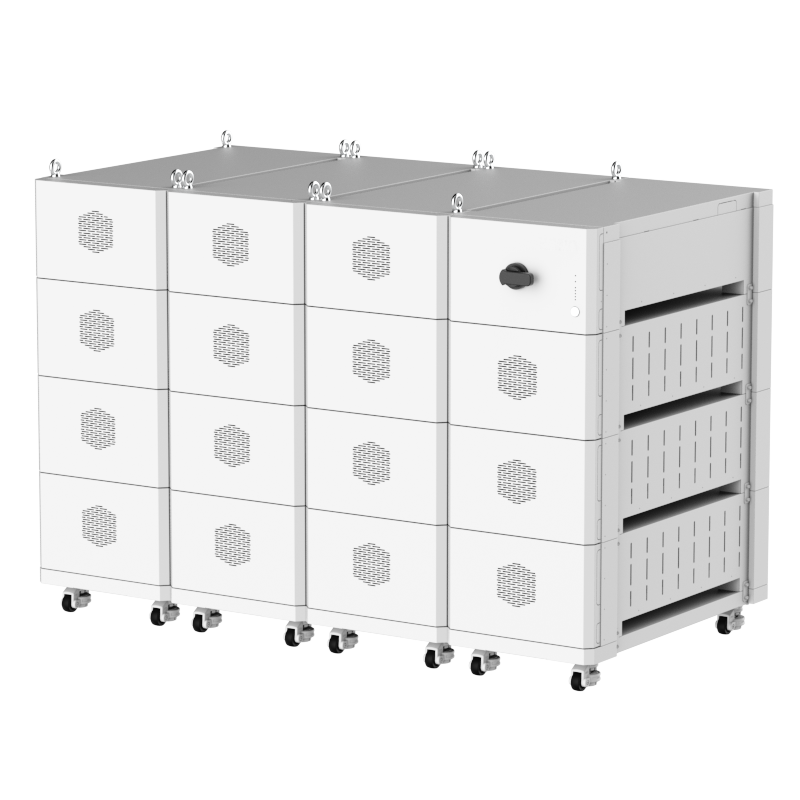
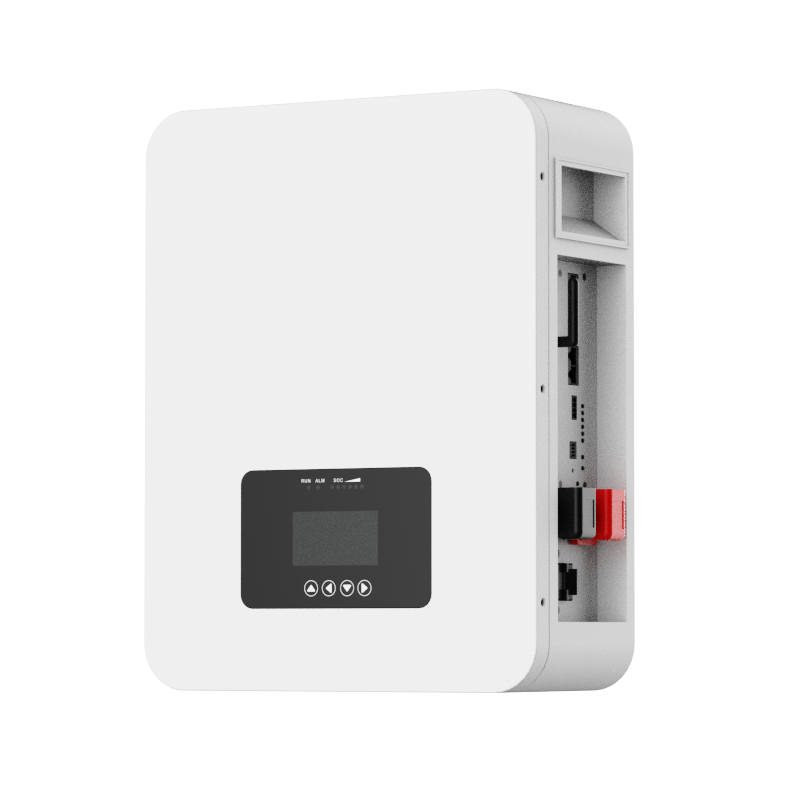
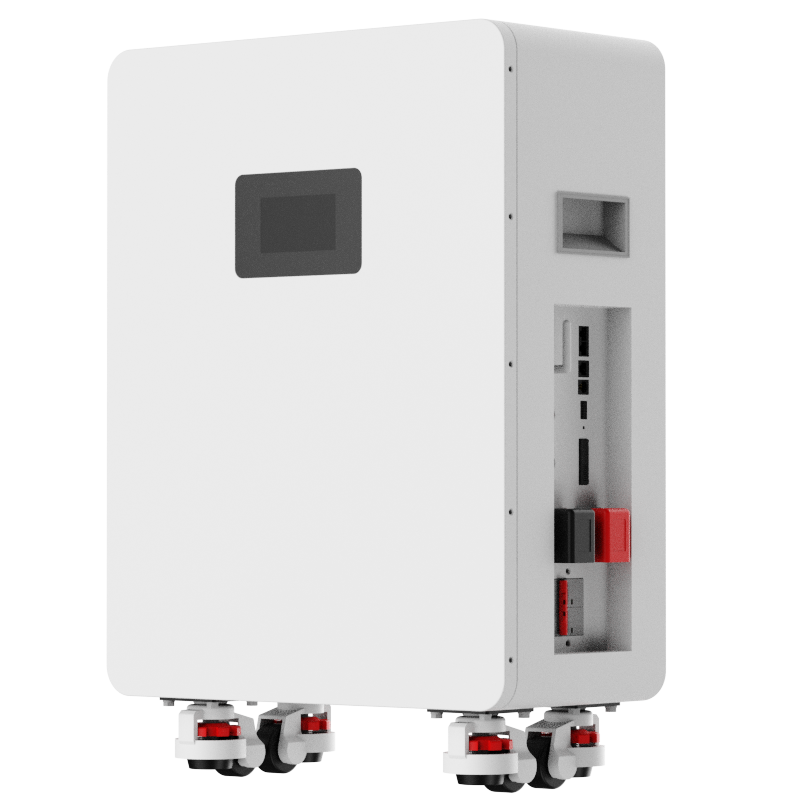
The foundational principle of a modular high voltage energy storage system is series-connected module stacking. Each LiFePO4 module rated at 102.4 volts and 50 ampere-hours provides 5.12 kWh of energy storage. By stacking 2 to 6 modules in series, the system voltage scales from 204.8V to 614.4V while maintaining the same per-module capacity. This voltage range directly interfaces with the high-voltage DC bus of modern hybrid inverters, which typically operate at 150V to 600V. Higher system voltage reduces current for the same power output, which according to Joule's Law significantly reduces resistive heat losses in cabling and internal connections. A system delivering 10 kW at 200V requires 50 amperes, while the same power at 600V requires only 17 amperes, cutting thermal losses by approximately 90 percent.
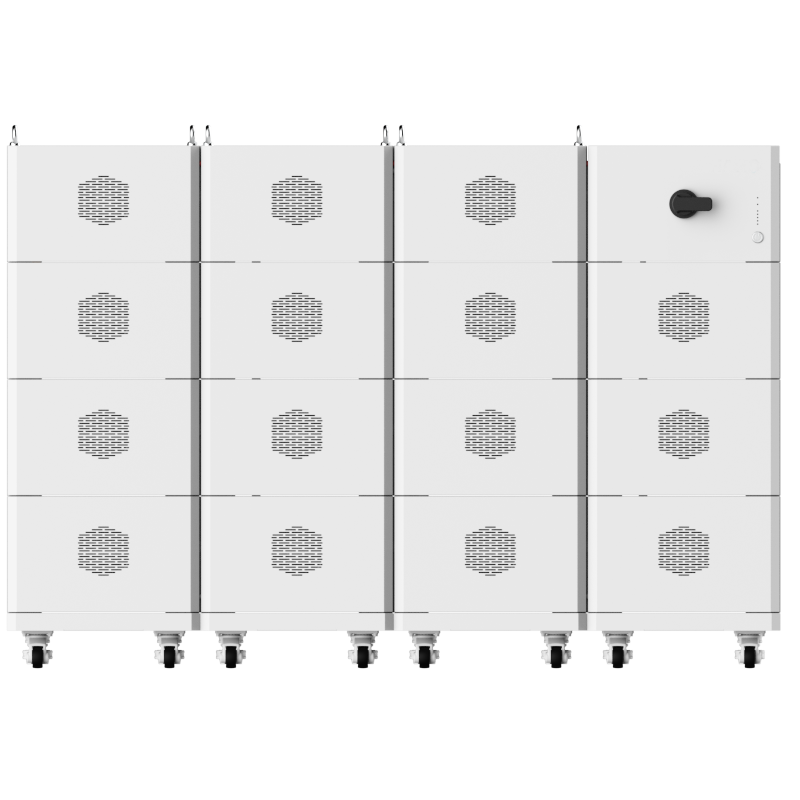
Beyond voltage, a modular high voltage energy storage system scales capacity by selecting the number of modules per tower. A single tower configured with 2 modules delivers 10.24 kWh, suitable for a typical household with overnight backup needs. Expanding to 6 modules raises the per-tower capacity to 30.72 kWh, sufficient for a large residence or small commercial operation. For applications requiring even more storage, the system supports paralleling up to 5 towers, achieving a maximum capacity of 153.6 kWh. This scaling flexibility means that a distributor stocking one module type can serve projects ranging from 10 kWh residential backup to 150 kWh commercial peak shaving, simplifying inventory while covering diverse customer needs. Each module operates with an internal impedance of 1 ohm or less, ensuring minimal energy loss regardless of system size.
Power load adaptation also depends on current handling capability. A modular high voltage energy storage system supports a recommended continuous current of 50 amperes and a maximum charge-discharge current of 100 amperes. At the highest voltage configuration of 614.4V, this translates to a maximum power output of approximately 61 kW per tower. For applications with intermittent high-power demands such as EV charging stations or industrial motor startups, the system can deliver peak current for short durations without sustained thermal stress. The intelligent BMS dynamically manages charge-discharge curves based on real-time load monitoring, protecting cells from overcurrent while ensuring that available capacity is fully utilized during high-demand periods. The BMS communicates via CAN bus and RS485 protocols, enabling inverter-level load management integration.
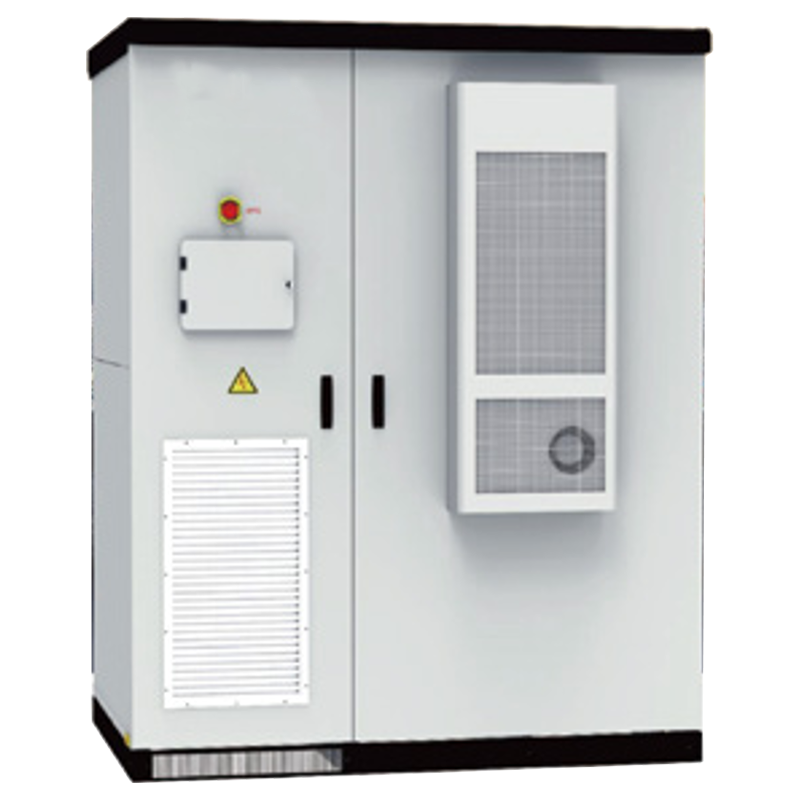
Different power loads generate different thermal profiles. A modular high voltage energy storage system operating at full 100-ampere discharge generates more internal heat than the same system at 50 amperes. The system addresses this through low internal impedance design, passive thermal distribution across module casings, and BMS-managed temperature monitoring at the cell level. The operating temperature range spans from minus 10 to 55 degrees Celsius for discharge and 0 to 55 degrees Celsius for charge, covering most climate zones. In commercial and industrial systems, active liquid cooling maintains temperature differences between cells within 3 degrees Celsius, ensuring balanced degradation and consistent capacity across the battery pack. Buyers should evaluate whether passive cooling is sufficient for their load profile or whether liquid-cooled cabinet systems are required for continuous high-power applications.
For commercial loads exceeding single-tower capacity, a modular high voltage energy storage system supports multi-tower parallel connection. Up to 5 towers can be linked, with the BMS coordinating charge-discharge across all towers to maintain balanced state of charge and prevent any single tower from being overstressed. This parallel capability is essential for applications such as industrial parks performing peak-valley arbitrage, where total storage needs may reach 150 kWh or more. The parallel configuration also provides redundancy: if one tower enters maintenance mode, remaining towers continue to serve the load, reducing downtime risk. Installation is simplified by the stackable vertical design, which minimizes floor space requirements and allows multiple towers to be installed in a compact electrical room or utility closet.
Consider a solar installation company serving three customer types. The first is a household requiring 10 kWh overnight backup; the installer configures a 2-module tower at 204.8V, delivering sufficient energy with 50A continuous current. The second is a small office needing 20 kWh for peak shaving; a 4-module tower at 409.6V provides the capacity with lower current draw and higher efficiency. The third is a commercial building requiring 60 kWh for demand management; the installer uses a 6-module tower at 614.4V paralleled with a second 6-module tower, achieving 61.4 kWh total. All three installations use identical module types, demonstrating how a modular high voltage energy storage system adapts to different power loads while maintaining a consistent supply chain.
Frequently Asked Questions
Q: What voltage range does a modular high voltage energy storage system cover?
A typical modular high voltage system operates from 204.8V to 614.4V by stacking 2 to 6 LiFePO4 modules in series. This range interfaces directly with the high-voltage DC bus of modern hybrid inverters, reducing current and minimizing energy losses compared to low-voltage alternatives.
Q: Can a modular high voltage energy storage system be expanded after initial installation?
Yes. The modular design allows adding modules to an existing tower or installing additional parallel towers. A system initially configured at 10.24 kWh can be expanded to 153.6 kWh by adding modules and towers, provided the inverter supports the expanded voltage and capacity range.
Q: What is the maximum power output per tower in a modular high voltage system?
With a maximum charge-discharge current of 100 amperes and voltage up to 614.4V, a single tower can deliver approximately 61 kW peak power. For higher power requirements, multiple towers can be paralleled with the BMS coordinating load distribution.
Comparison Tables
Module Configuration and Load Adaptation
|
Modules |
Voltage |
Capacity (kWh) |
Max Power (kW) |
Typical Application |
|
2 |
204.8V |
10.24 |
~20 |
Household backup |
|
3 |
307.2V |
15.36 |
~30 |
Large residence |
|
4 |
409.6V |
20.48 |
~41 |
Small office |
|
5 |
512V |
25.6 |
~51 |
Workshop peak shaving |
|
6 |
614.4V |
30.72 |
~61 |
Commercial building |
 Hot News
2026-08-25
2026-08-18
2026-08-13
2026-08-08
2026-08-03
2026-06-28

 EN
EN