 ×
×
The performance, safety, and lifespan of a wall mounted solar battery depend significantly on where it is installed within a home. Improper placement can cause overheating, reduced cycle life, communication interference with the inverter, and even safety hazards. While LiFePO4 chemistry is inherently stable and safe, any lithium battery system benefits from a well-ventilated, temperature-controlled environment. This guide provides practical placement principles based on manufacturer specifications, building codes, and real-world installation experience to help homeowners and installers choose the optimal location.
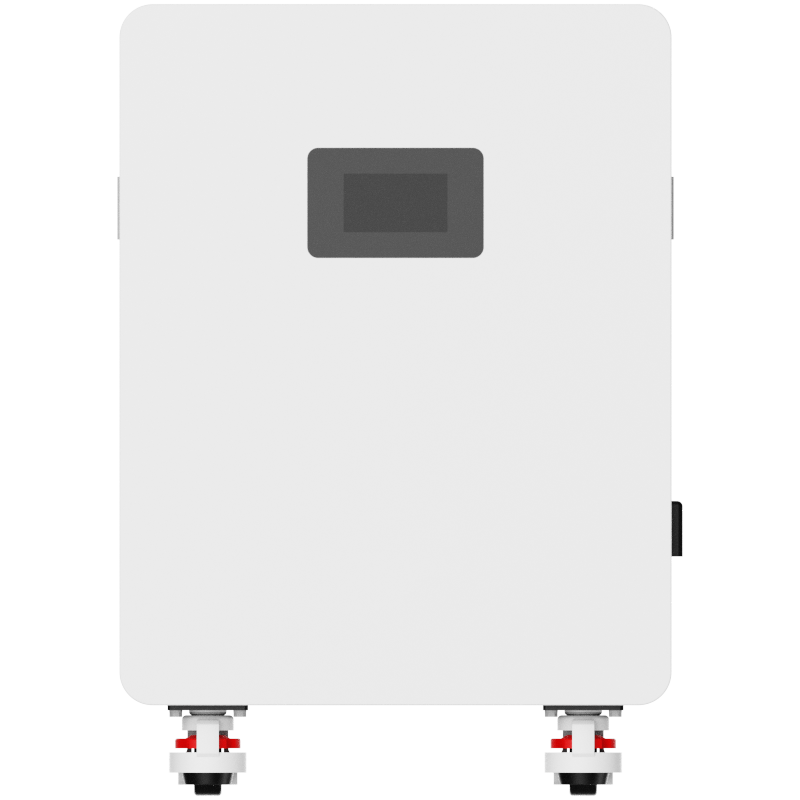
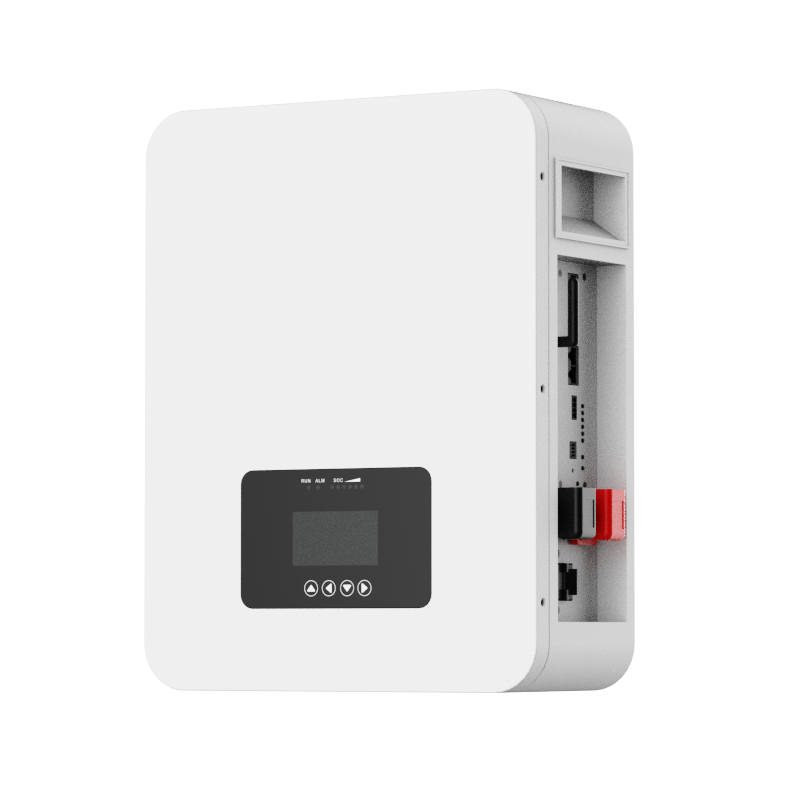
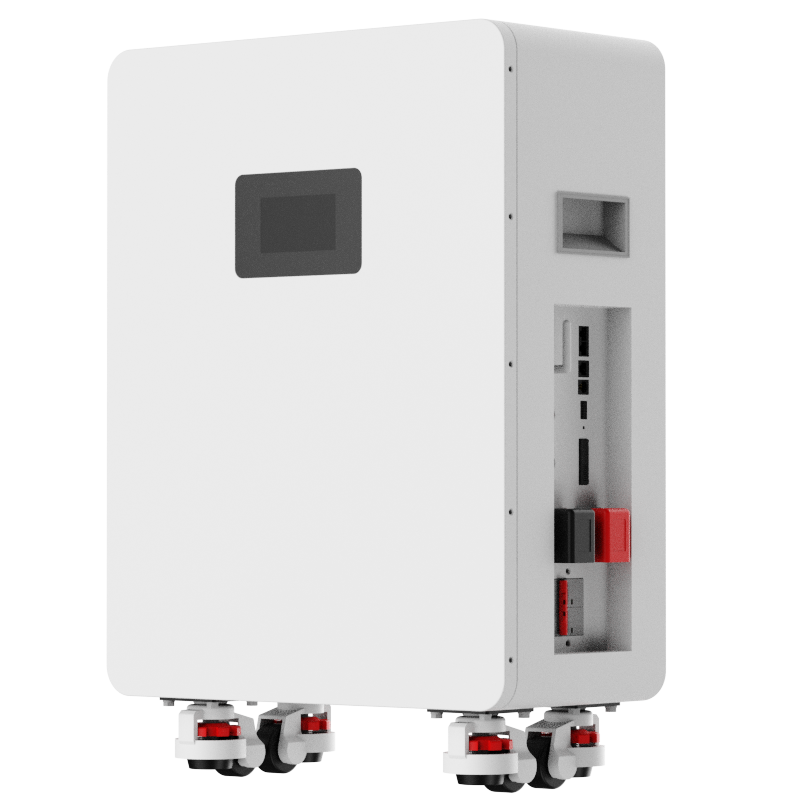
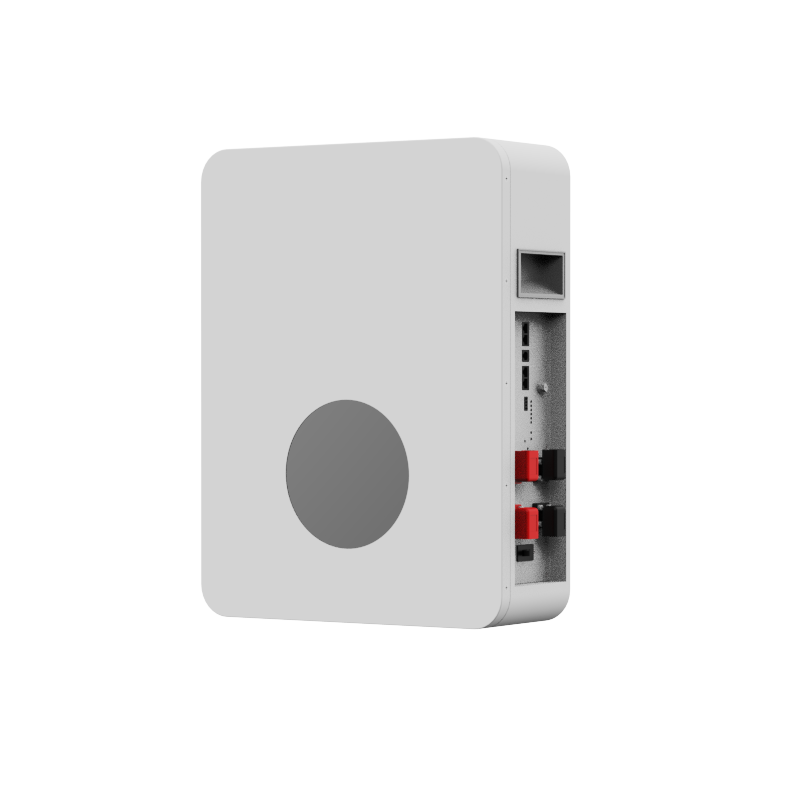
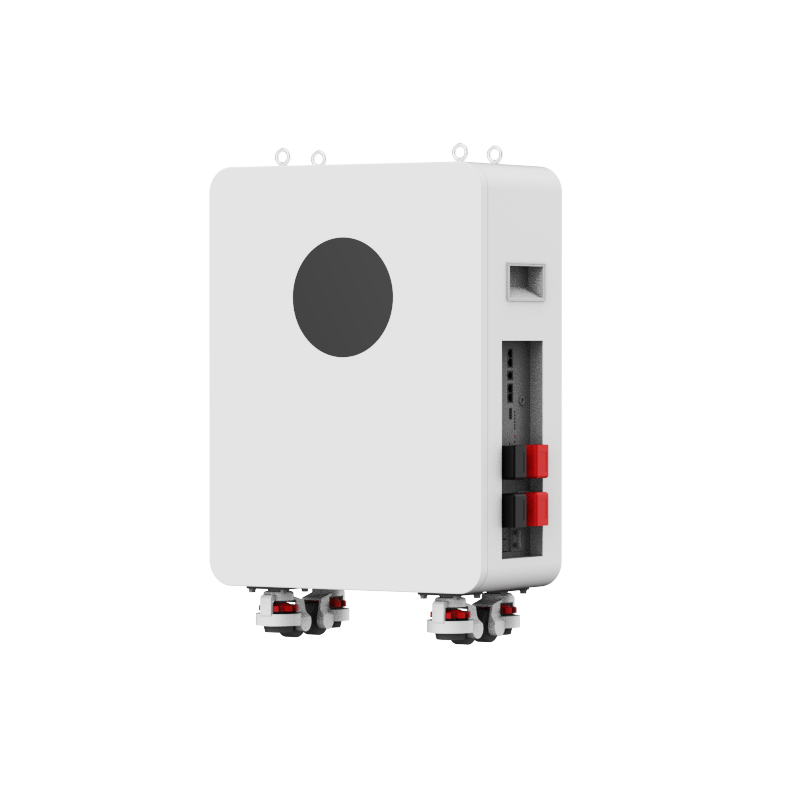
The ideal placement for a wall mounted solar battery is an interior wall in a garage, utility room, or dedicated energy storage cabinet. These locations offer several advantages: protection from direct sunlight and weather exposure, stable ambient temperature, and proximity to the inverter and electrical distribution panel. A garage wall is particularly common because it typically provides a concrete or brick substrate capable of supporting the weight of a battery system ranging from 2.5 kWh to 16 kWh. Indoor installations also protect the battery communication electronics from moisture and dust, extending the operational life of the BMS and associated wiring. When a garage is not available, a utility room or mechanical closet serves as an alternative, provided that minimum clearance requirements are met.
Temperature is the single most important environmental factor for a wall mounted solar battery. LiFePO4 batteries perform optimally at 0 to 35 degrees Celsius, with the ideal storage temperature around 25 degrees Celsius. Systems typically support a charging temperature range of 0 to 55 degrees Celsius and discharging range of minus 10 to 55 degrees Celsius. However, sustained operation at temperature extremes accelerates capacity degradation and shortens cycle life, which is rated at over 6,000 cycles at 80 percent depth of discharge under standard conditions. Installers should avoid placing the battery near heat sources such as water heaters, furnaces, or direct sunlight through windows. In cold climates, unheated garages may fall below 0 degrees Celsius in winter, preventing charging; in such cases, an insulated enclosure or heated utility room is recommended.
A wall mounted solar battery requires specific clearances for safety, ventilation, and maintenance access. The general rule is a minimum of 20 centimeters clearance on all sides of the battery unit, with at least 50 centimeters of open space in front for service access. The unit should not be installed in a sealed cabinet without ventilation, as heat dissipation depends on natural air circulation around the battery casing. Top clearance is particularly important to prevent heat from being trapped above the unit. Installers must also maintain a minimum distance of 30 centimeters from gas pipes, water supply lines, and ignition sources. The mounting wall must be structurally capable of supporting the full system weight, which for a 5 kWh unit is approximately 40 to 50 kilograms and for a 16 kWh unit can exceed 120 kilograms.
The distance between the wall mounted solar battery and the hybrid inverter directly affects system efficiency and installation cost. Longer DC cable runs increase resistive losses and may require thicker, more expensive copper cabling to meet voltage drop requirements. As a practical guideline, the battery should be installed within 1.5 meters of the inverter when possible. The AC connection to the home electrical panel should also be considered, as the inverter typically feeds into the main distribution board. Cable routing should avoid areas prone to physical damage, and all conduits must comply with local electrical codes. For multi-tower configurations, inter-tower communication cables should follow the shortest practical path to minimize signal interference on CAN bus or RS485 connections.
Home energy storage installations must comply with local building and fire codes, which vary by region. General safety practices for a wall mounted solar battery include installing a smoke detector in the same room, ensuring the battery is not obstructing escape routes, and keeping flammable materials at least 1 meter away. The battery should be mounted at a height that allows the display panel and emergency shut-off switch to be easily accessible, typically between 1.2 and 1.8 meters from the floor. Systems certified to IEC62619, CE, and UN38.3 standards provide assurance that the product has passed rigorous safety testing including overcharge, short circuit, drop, and thermal abuse tests. Homeowners should verify that their home insurance policy covers battery energy storage systems and notify their insurer of the installation.
Consider a homeowner installing a 5 kWh wall mounted solar battery in an attached garage. The chosen wall is an interior partition facing the living space, providing stable temperature year-round. The battery is mounted at 1.5 meters height on a reinforced drywall section with a plywood backing plate for structural support. The hybrid inverter is installed 1 meter to the right on the same wall, minimizing DC cable length. A 60 centimeter clearance is maintained in front for service access, and a smoke detector is installed on the ceiling above. The battery communication cable connects to the inverter via a 1.5 meter CAN bus cable. The installation is completed with a dedicated circuit breaker on the home's electrical panel, and the system is commissioned with a full charge-discharge test to verify capacity and BMS communication before handover.
Frequently Asked Questions
Q: Can a wall mounted solar battery be installed outdoors?
Most residential LiFePO4 batteries are rated IP20 or similar, meaning they are designed for indoor installation. Outdoor installation requires a weatherproof enclosure rated IP55 or higher and protection from direct sunlight, rain, and extreme temperatures. Always check the manufacturer's IP rating and operating temperature range before planning an outdoor installation.
Q: What is the recommended distance between the battery and the inverter?
The battery should be installed within 1.5 meters of the inverter when possible. Shorter cable runs reduce resistive losses, minimize voltage drop, and lower installation cost by reducing the need for thicker copper cabling. For longer distances, consult the inverter manufacturer's cable sizing guide.
Q: Does a wall mounted solar battery need ventilation?
Yes. While LiFePO4 batteries do not produce gases during normal operation, natural air circulation around the battery casing is necessary for heat dissipation. A minimum of 20 centimeters clearance on all sides is recommended, and the installation room should not be completely sealed. Avoid installing the battery in a tightly enclosed cabinet without ventilation.
Comparison Tables
Recommended Placement Locations for Wall Mounted Solar Battery
|
Location |
Temperature Stability |
Accessibility |
Weather Protection |
Recommendation |
|
Attached garage (interior wall) |
Good |
Excellent |
Good |
Recommended |
|
Utility room |
Excellent |
Good |
Excellent |
Highly recommended |
|
Outdoor wall (under cover) |
Variable |
Good |
Moderate |
With enclosure only |
|
Basement |
Excellent |
Moderate |
Excellent |
If dry and ventilated |
|
Attic |
Poor (high temp) |
Difficult |
Good |
Not recommended |
 Hot News
2026-08-25
2026-08-18
2026-08-13
2026-08-08
2026-08-03
2026-06-28

 EN
EN