 ×
×
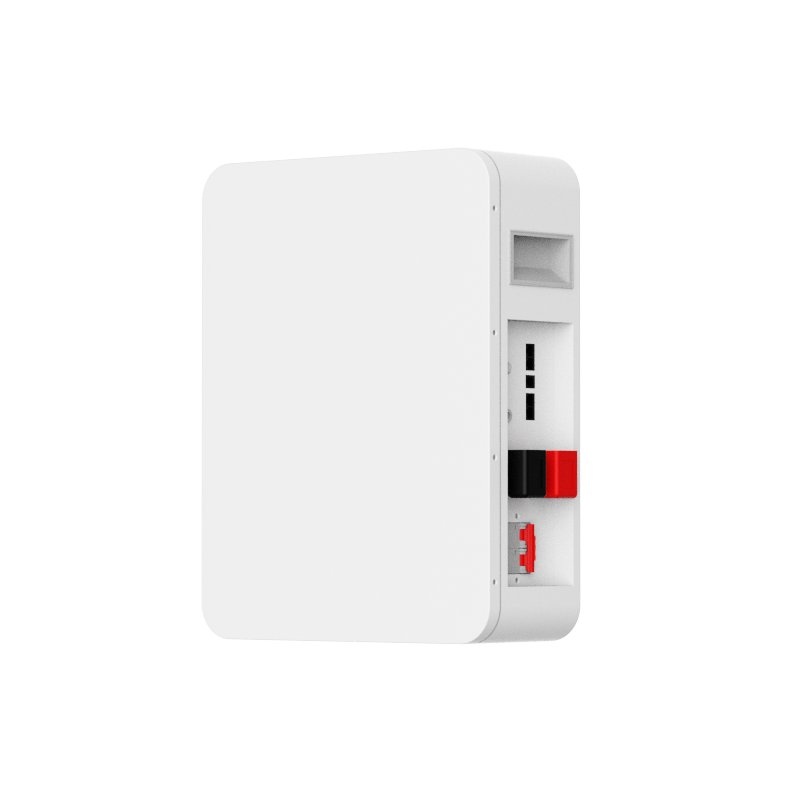
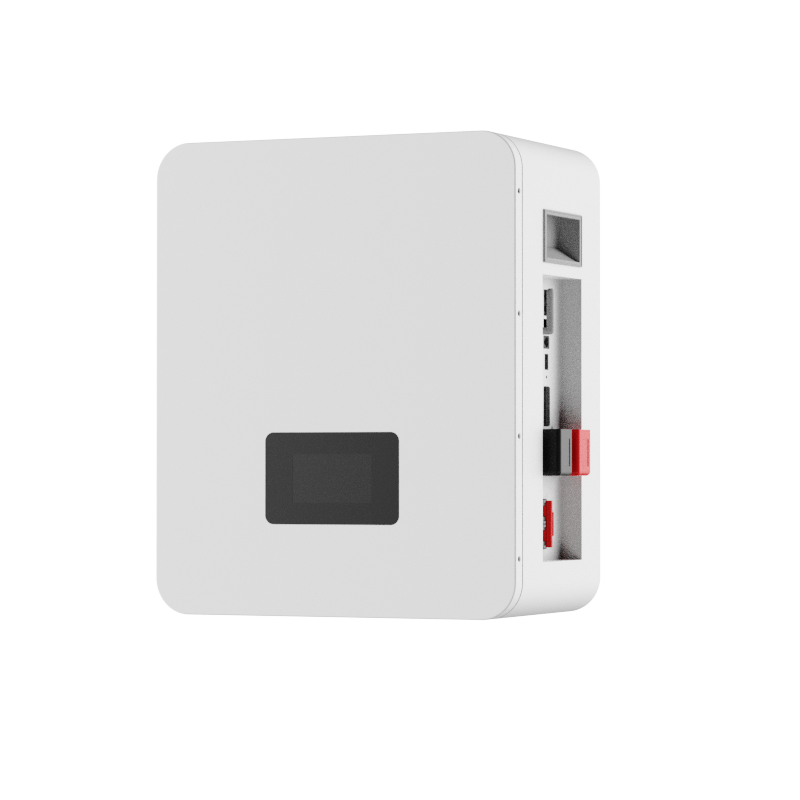
Energy demands rarely remain static. A household that initially requires 10 kWh of backup capacity may need 30 kWh after installing an EV charger. A commercial facility running peak shaving at 50 kWh may need to double capacity when expanding production lines. A modular high voltage energy storage system addresses this growth need by allowing capacity expansion without replacing the existing installation. This guide examines the engineering mechanisms that enable step-by-step capacity scaling from 10.24 kWh to 153.6 kWh, helping system designers and buyers plan for future energy growth.
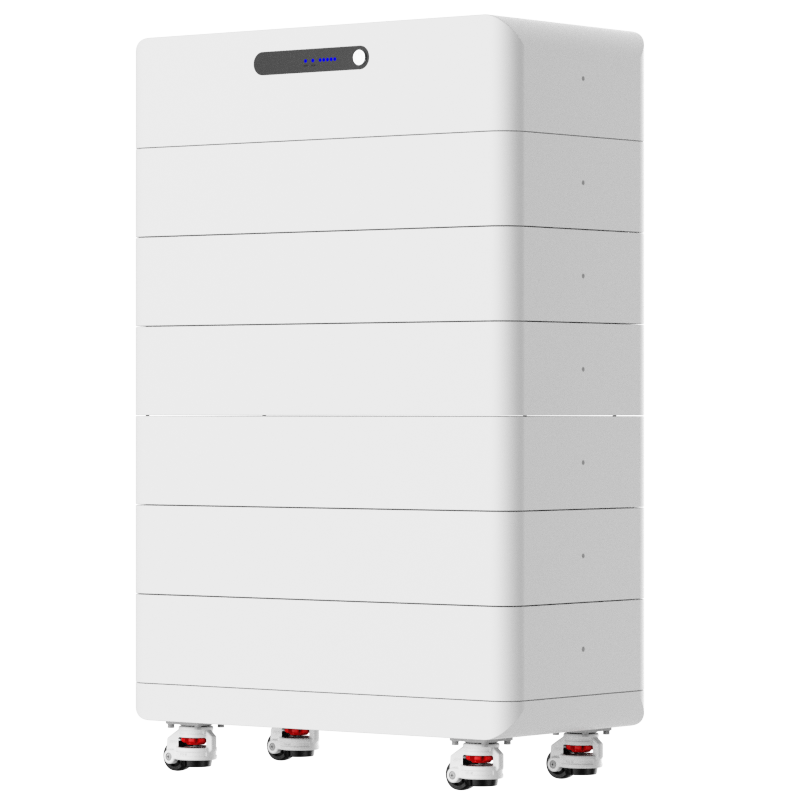
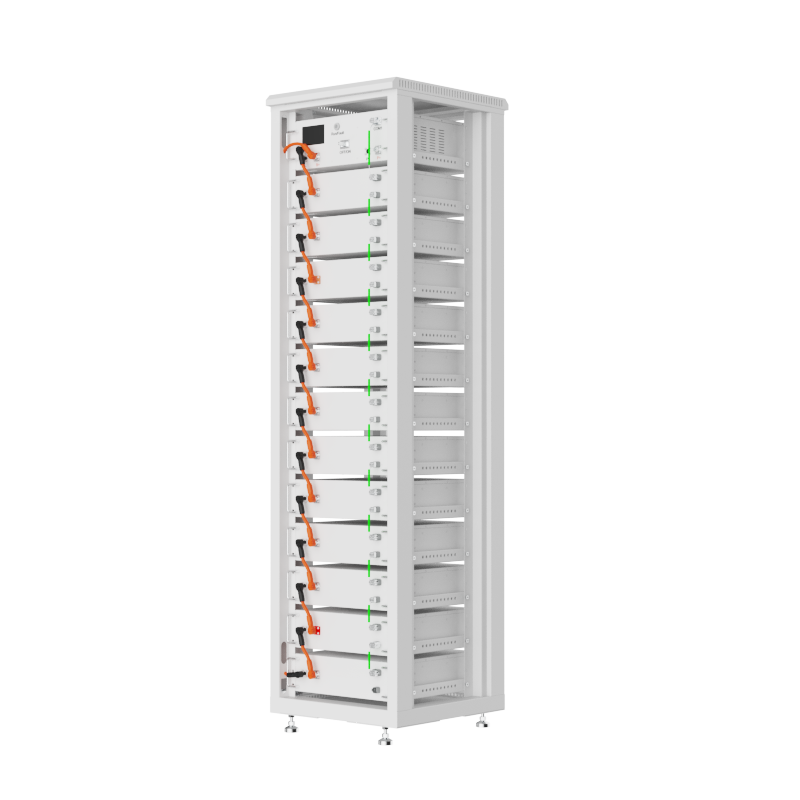
The first expansion level in a modular high voltage energy storage system is adding modules to an existing tower. Each LiFePO4 module contributes 102.4V and 50Ah, providing 5.12 kWh of storage. A tower initially configured with 2 modules at 10.24 kWh can be expanded to 6 modules at 30.72 kWh by simply stacking additional modules on top. The system voltage increases proportionally from 204.8V to 614.4V as modules are added in series. The intelligent BMS automatically recalibrates to recognize the new module count, adjusting charge upper voltage limits and discharge lower voltage thresholds accordingly. For example, a 2-module system has a charge upper voltage of 227.2V and discharge lower voltage of 182.4V, while a 6-module system operates at 681.6V charge upper and 547.2V discharge lower. The internal impedance remains at 1 ohm or less across all configurations, ensuring consistent efficiency regardless of module count.
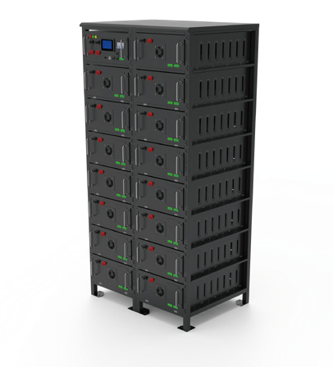
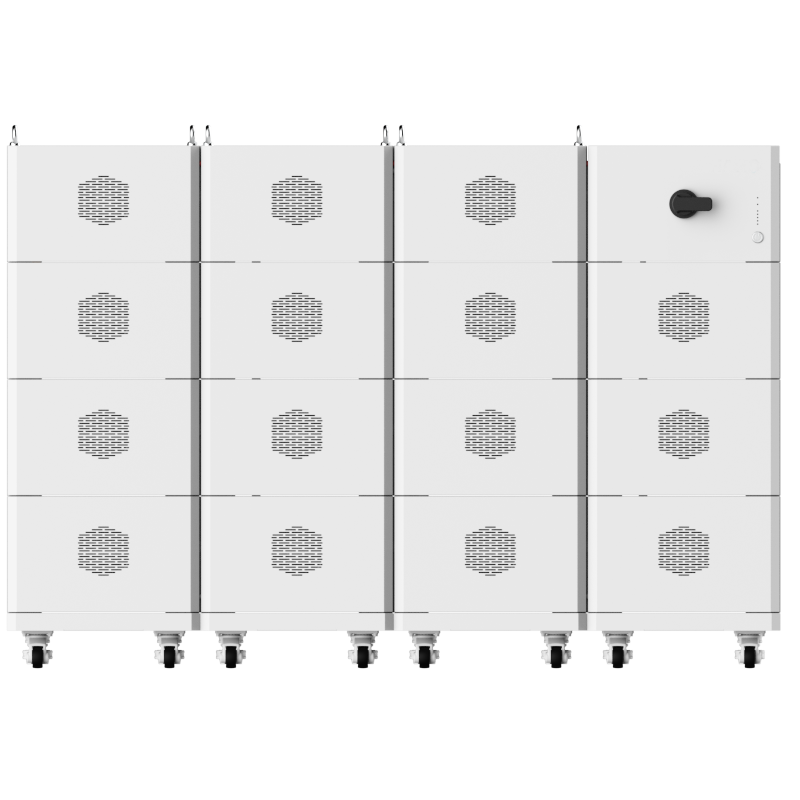
When a single tower reaches its maximum 6-module capacity at 30.72 kWh, further expansion requires adding parallel towers. A modular high voltage energy storage system supports up to 5 towers in parallel, reaching a total capacity of 153.6 kWh. The BMS coordinates across all connected towers, balancing charge and discharge to maintain uniform state of charge across the entire battery bank. This parallel architecture means that each tower can be independently serviced or taken offline without shutting down the entire system, providing operational redundancy critical for commercial applications. The parallel connection uses standardized communication cables connecting each tower's BMS to a master controller, which interfaces with the inverter via CAN bus or RS485. The modular design ensures that a tower added months or years after the initial installation integrates seamlessly, as all modules share identical specifications and communication protocols.
Capacity expansion in a modular high voltage energy storage system must account for inverter compatibility. As modules are added and system voltage increases, the inverter must support the expanded voltage range. A hybrid inverter rated for 150V to 600V DC input can accommodate a 2 to 5 module configuration but cannot support a 6-module tower at 614.4V. Before expanding, installers must verify that the inverter's maximum DC voltage exceeds the battery system's charge upper voltage. For multi-tower parallel configurations, the inverter must also support the combined current output of all towers. A system with five 100A towers can deliver up to 500A total current, requiring inverter and cabling rated accordingly. The BMS manages voltage window matching by communicating the current battery configuration to the inverter, ensuring that charge and discharge parameters are within safe operating limits.
Expanding capacity in a modular high voltage energy storage system affects the cycle life economics of the installation. The base LiFePO4 cells are rated for over 6,000 cycles at 80 percent depth of discharge at 25 degrees Celsius, translating to a 15 to 20 year service life. When capacity is expanded, the daily depth of discharge typically decreases because the same energy demand is spread across more storage capacity. For example, a household drawing 8 kWh per day from a 10 kWh system discharges to 80 percent DOD, while the same 8 kWh drawn from an expanded 20 kWh system represents only 40 percent DOD. Lower depth of discharge significantly extends cycle life, meaning that capacity expansion not only provides more available energy but also extends the operational life of the entire battery system. The BMS ensures that all modules and towers share the discharge load equally, preventing any single module from experiencing deeper cycling than others.
From a distributor and installer perspective, the modular expansion capability of a modular high voltage energy storage system creates significant inventory advantages. Rather than stocking multiple product variants in different capacities, a distributor needs only one module type and one control box to serve projects ranging from 10 kWh to 153 kWh. This reduces warehouse SKU count, minimizes obsolete inventory risk, and simplifies ordering logistics. When a customer requests a capacity upgrade, the distributor simply ships additional modules from existing stock, avoiding the lead time associated with ordering a completely new system. For installers, the standardized module design means that field technicians need training on only one product platform, and spare parts inventory is simplified to a single module type.
Consider a property owner who initially installs a 2-module, 10.24 kWh modular high voltage energy storage system for residential backup. After two years, the owner adds solar panels and an EV charger, increasing daily energy demand to 18 kWh. Rather than replacing the system, the owner expands to a 4-module configuration at 20.48 kWh by purchasing two additional modules. The BMS auto-detects the new configuration, and the inverter, already rated for 600V, accommodates the expanded 409.6V system without replacement. Three years later, the property transitions to a small commercial operation requiring 60 kWh. The owner adds a second 6-module tower at 30.72 kWh in parallel with the existing 4-module tower, reaching a combined 51.2 kWh, and then adds a third tower to achieve 81.92 kWh. Throughout this 8-year expansion, no original equipment is replaced, and the initial investment continues to deliver value alongside each expansion step.
Frequently Asked Questions
Q: How many modules can be added to a single tower in a modular high voltage system?
A single tower supports 2 to 6 LiFePO4 modules, providing 10.24 kWh to 30.72 kWh per tower. Each module adds 102.4V and 5.12 kWh. The BMS automatically recalibrates when modules are added or removed, adjusting voltage parameters accordingly.
Q: Can different tower configurations be mixed in a parallel system?
Yes. Towers with different module counts can be paralleled. For example, a 4-module tower at 20.48 kWh can be paralleled with a 6-module tower at 30.72 kWh. The BMS coordinates charge-discharge across towers to maintain balanced state of charge, though for optimal performance all towers should operate within the same voltage range supported by the inverter.
Q: Does adding capacity affect the warranty of existing modules?
Typically no. Adding modules or towers to an existing system does not void the warranty of previously installed components, provided the expansion is performed according to manufacturer guidelines and the system remains within specified operating parameters. The 10-year warranty and 6,000+ cycle life rating apply to each module independently. Buyers should confirm specific warranty terms with the manufacturer before expansion.
Comparison Tables
Capacity Expansion Path: Module to Tower to System Level
|
Expansion Level |
Configuration |
Total Capacity |
Voltage |
Max Towers |
|
Module |
1 module (102.4V) |
5.12 kWh |
102.4V |
N/A |
|
Single tower min |
2 modules series |
10.24 kWh |
204.8V |
1 |
|
Single tower max |
6 modules series |
30.72 kWh |
614.4V |
1 |
|
2 towers parallel |
6+6 modules |
61.44 kWh |
614.4V |
2 |
|
3 towers parallel |
6+6+6 modules |
92.16 kWh |
614.4V |
3 |
|
5 towers parallel |
6x5 modules |
153.6 kWh |
614.4V |
5 |
 Hot News
2026-08-25
2026-08-18
2026-08-13
2026-08-08
2026-08-03
2026-06-28

 EN
EN