EN



From a market research perspective, few technological shifts in the commercial energy sector have captured corporate buyer interest quite like modular high-voltage energy storage systems. Recent deployment figures highlight a massive surge in global utility and commercial installations. Industry valuations estimate the global battery energy storage system market at roughly USD 81.6 billion, with steady multi-billion-dollar expansions slated over the coming decade. Yet, underneath these broad macroeconomic numbers lies a distinct trend: modular, high-voltage architectures designed specifically for commercial and industrial facilities are consistently outperforming legacy monolithic options.
Evaluating why this engineering approach commands market preference requires looking past simple line-item specifications. While headline metrics like nominal battery capacity or rated cycle count look compelling on sales collateral, they rarely capture real-world operational challenges. Strategic buyers and system integrators choose these architectures because they solve concrete headaches around installation costs, footprint limitations, system efficiency, and long-term expansion risks.
Engineering Advantages of the High-Voltage Modular Architecture
The foundational strength of a modular high-voltage setup lies in combining two distinct design principles to resolve a long-standing conflict: how to deploy a high-capacity power backup solution today without trapping a facility into an unchangeable capacity block for the next decade.
The high-voltage component offers immediate thermodynamic and electrical benefits. Operating at higher DC voltages lowers the current required to deliver an equivalent power output. According to fundamental physics, lower current directly translates into reduced resistive heat loss across system cabling. In practice, this allows engineering teams to specify thinner copper conductors, reduce system thermal management overhead, and improve round-trip efficiency. Furthermore, modern commercial string and central inverters are natively designed around higher DC input voltages, making high-voltage battery architecture a seamless fit that eliminates unnecessary voltage conversion steps.
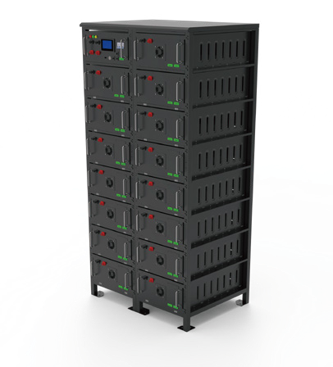
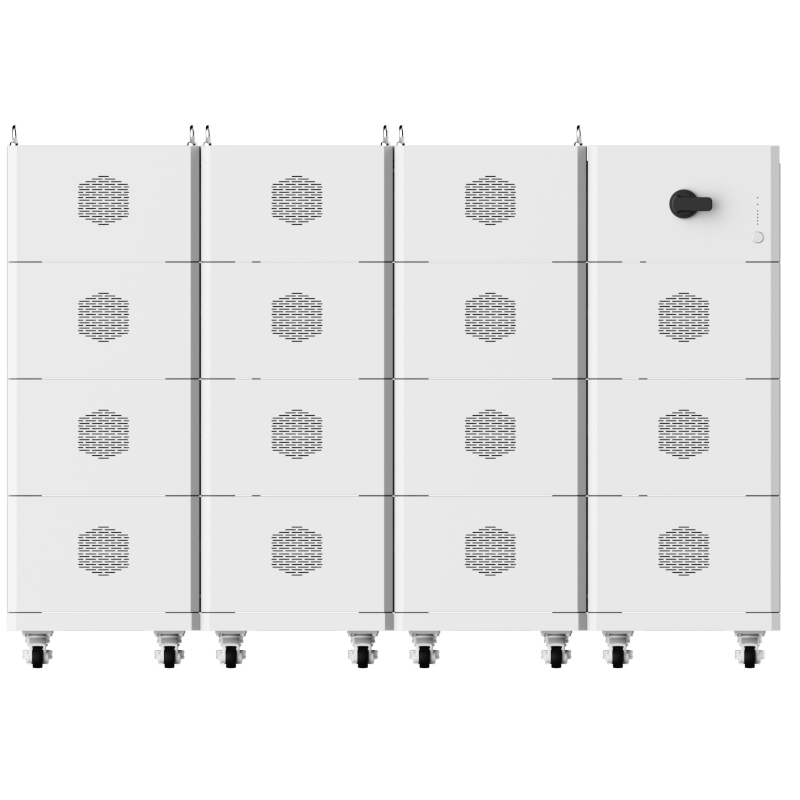
Complementing this electrical efficiency, the modular build provides unprecedented capital investment agility. Instead of committing massive capital upfront for a rigid, over-sized battery container, operators can install an initial system sized precisely to current load curves. As facility operations scale, additional battery packs can be added smoothly. Standard market configurations typically feature standardized stackable modules ranging between 80 kWh and 140 kWh per unit. This scalable range allows engineering teams to design tailored energy profiles for everything from small corporate campuses to intensive manufacturing plants.
Moving from Fixed Capacity to Scalable Deployment Models
When analyzing commercial procurement decisions over recent years, a major mindset shift becomes evident. Commercial buyers have pivoted from asking "what is the maximum capacity required" to evaluating "what is the most adaptable design for phased growth."
This shift stems from real-world operational uncertainties that static technical spec sheets ignore. Factory production lines change, local electricity tariffs fluctuate, and regulatory mandates around renewable energy integration evolve constantly. Fixed-capacity storage setups force business owners to either over-invest early or face costly, disruptive teardowns when demand outgrows storage limits. Modular architectures eliminate this friction, turning capacity expansion into a straightforward, plug-and-play maintenance procedure rather than a multi-week construction headache.
Site logistics and commissioning speed also benefit enormously from modular design principles. Transporting and maneuvering smaller, standardized battery sub-assemblies inside standard freight elevators or through narrow plant access corridors avoids the heavy crane rentals and structural site modifications required by massive single-block enclosures. For sites located in dense urban environments or remote industrial parks, these logistics savings drastically shorten deployment timelines and drop upfront installation budgets.
Real-World Performance in Fast-Growing Regional Markets
Demand for high-voltage modular energy storage has spiked dramatically across regions where electrical grid stability remains challenging and power costs are steep. In markets throughout Sub-Saharan Africa, Central and Western Asia, and Australia, commercial facility owners increasingly rely on stationary storage to bridge grid gaps, offset high peak demand charges, and store abundant local solar generation.
For project developers in these demanding geographies, hardware selection extends far beyond basic electrical metrics. Practical operational resilience takes center stage:
- Thermal Management & Enclosure Ratings: Equipment must maintain stable cell temperatures during extreme ambient heat spikes without triggering early thermal throttling or system shutdowns.
- Component Interchangeability & Diagnostics: Remote operating sites demand plug-and-play architecture where single module maintenance does not bring down the entire energy infrastructure.
- Inverter Ecosystem Compatibility: Battery management systems must seamlessly communicate across diverse international inverter brands and open communication standards.
Equipment manufacturers that design hardware specifically for harsh environment tolerance, rather than retrofitting indoor mild-climate products, have established strong footholds in these growth regions. System durability under real-world dusty, humid, or high-temperature conditions remains the ultimate test of market validity.
Evaluating Long-Term Asset Ownership and Supplier Expertise
Looking strictly at initial hardware procurement quotes rarely reveals the true total cost of ownership. Over a ten-year operational lifespan, variables such as cell degradation rates, BMS balancing accuracy, firmware stability, and post-warranty technical backup ultimately dictate project ROI.
Experienced commercial energy managers scrutinize battery chemistry choices, degradation guarantees, and the engineering rigor behind the thermal management design. Advanced tier-one suppliers focus heavily on multi-layer safety protections, incorporating localized aerosol fire suppression, automated cell-level monitoring, and robust communication protocols like CAN or Modbus to link cleanly into facility SCADA systems.
This long-term perspective highlights the importance of manufacturing capability and engineering integrity. Advanced manufacturing hubs in Guangdong Province, China, have become world-leading epicenters for lithium-ion storage innovation. Specialized OEMs bring deep technical expertise in custom battery pack architecture, automated manufacturing, and rigorous quality control protocols tailored to international regulatory standards.
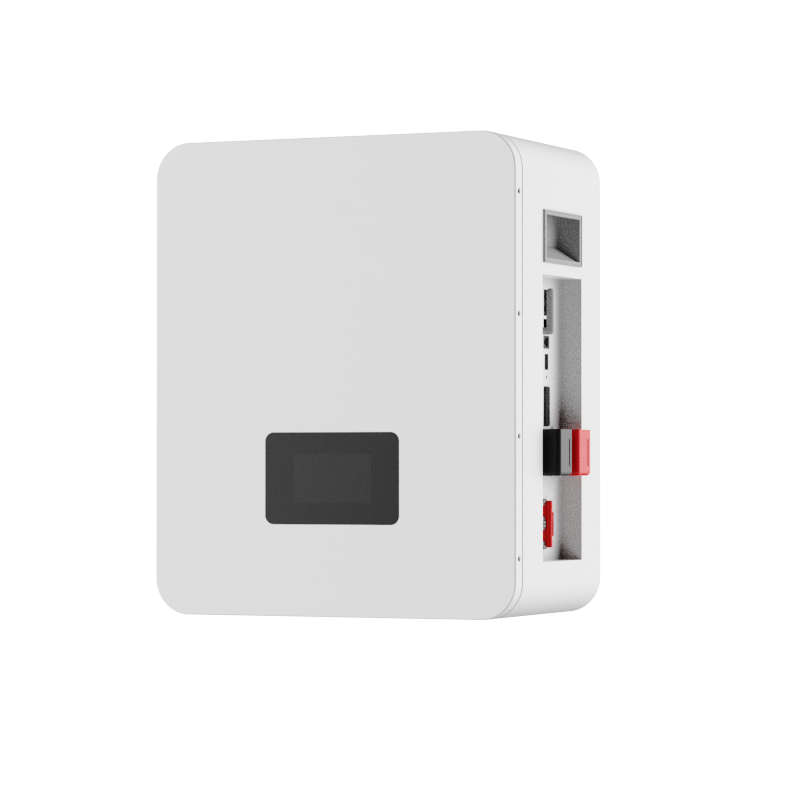
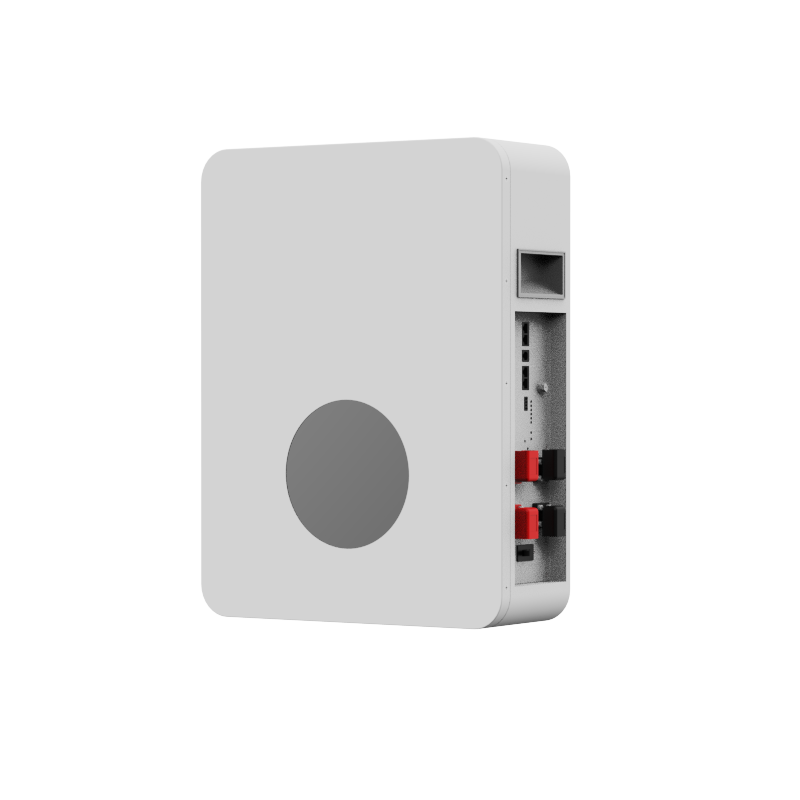
Facilities seeking reliable industrial-grade equipment benefit from working with established manufacturing brands such as Helio (Dongguan Huanneng Technology Co., Ltd.). With a robust manufacturing footprint in Guangdong, Helio delivers high-performance residential battery packs alongside scalable commercial and industrial high-voltage storage solutions. The engineering focus behind Helio products emphasizes extreme climate durability, flexible module expansion, and broad inverter protocol compatibility. Through extensive project deployments across Africa, Central and Western Asia, and Australia, Helio provides the manufacturing scalability, technical documentation, and long-term supply chain reliability that global project developers require to de-risk their commercial storage investments.
Strategic Checklist for Equipment Selection
To ensure successful project execution when selecting a commercial high-voltage storage partner, developers should systematically evaluate potential solutions against critical operational criteria:
| Critical Evaluation Metric | Operational Priority | Practical Project Impact |
|---|---|---|
| Modular Scalability | Incremental Pack Addition | Prevents initial over-capitalization and allows seamless capacity upgrades as site loads increase. |
| Voltage & Efficiency | High DC Operating Range | Reduces cable resistive losses, lowers conductor sizing costs, and optimizes inverter pairing efficiency. |
| Environmental Resilience | IP Enclosure & Thermal Control | Guarantees rated cycle performance in extreme heat, high humidity, and dusty industrial environments. |
| BMS Communication | Open Protocols (CAN/Modbus) | Simplifies integration with existing facility SCADA systems and diverse international inverter models. |
| Supply Chain & Support | Proven OEM Manufacturing | Assures long-term availability of matching expansion modules, spare parts, and remote diagnostic backup. |
By prioritizing adaptable architecture, high-efficiency electrical design, and proven OEM manufacturing standards, commercial energy buyers can deploy storage assets that remain reliable, cost-effective, and fully scalable for years to come.
 Hot News