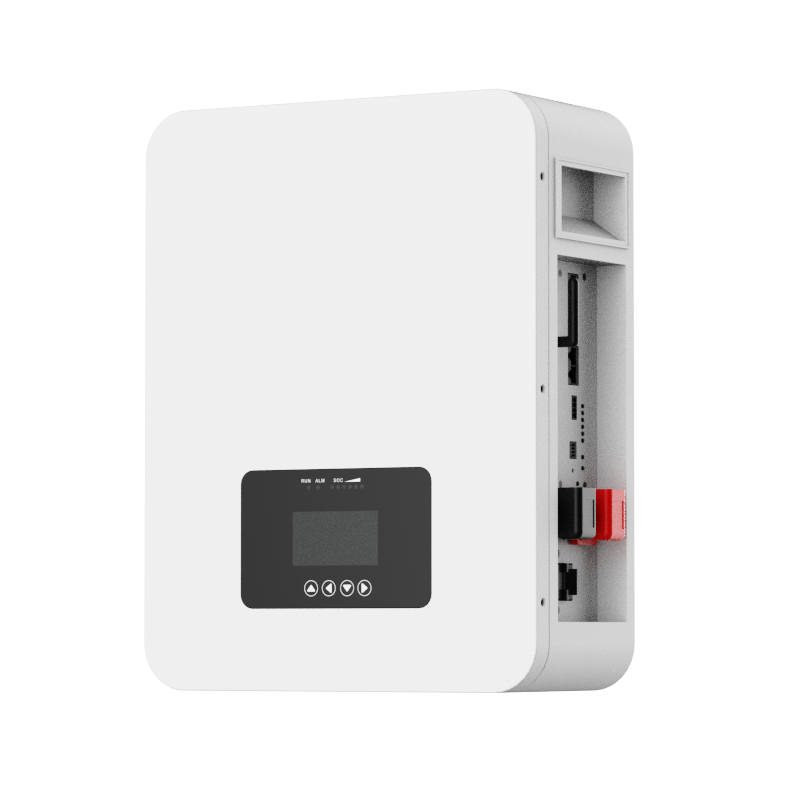
Comprehensive Guide to Commercial & Industrial (C&I) Energy Storage Systems
What is a C&I Energy Storage System?
A Commercial & Industrial Energy Storage System (C&I ESS) is essentially a large-scale, intelligent power bank designed specifically for factories, commercial buildings, hospitals, schools, and logistics facilities. It acts as an energy buffer between the electrical grid and the facility's internal power consumption. The system stores electricity during periods of low demand or when renewable generation is high, and releases it during peak usage times — transforming electricity from a fixed operational cost into a manageable, revenue-generating asset.
The global C&I energy storage market is experiencing explosive growth. Valued at approximately USD 91.99 billion in 2025, it is projected to reach USD 104.45 billion in 2026 — a year-on-year increase of over 13% — and is forecast to maintain a compound annual growth rate (CAGR) of approximately 12% through 2031, according to Mordor Intelligence. Driving this expansion are three converging forces: steadily falling battery costs, rising demand charges from utilities worldwide, and accelerating clean energy mandates from both governments and corporate sustainability programs.
The Core Components: How Does It Work?
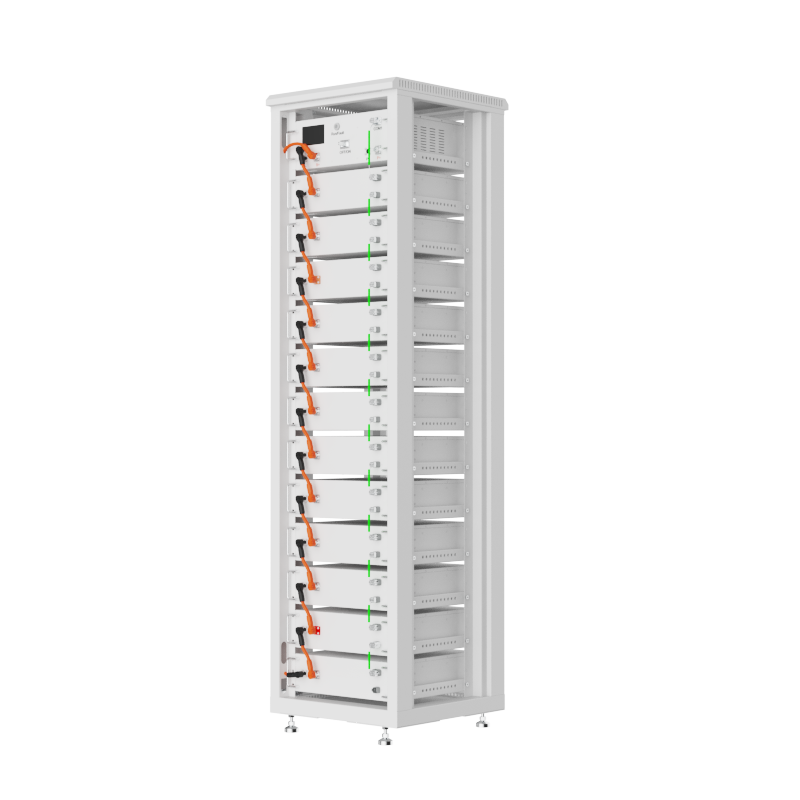
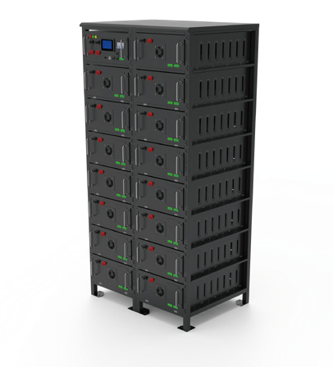
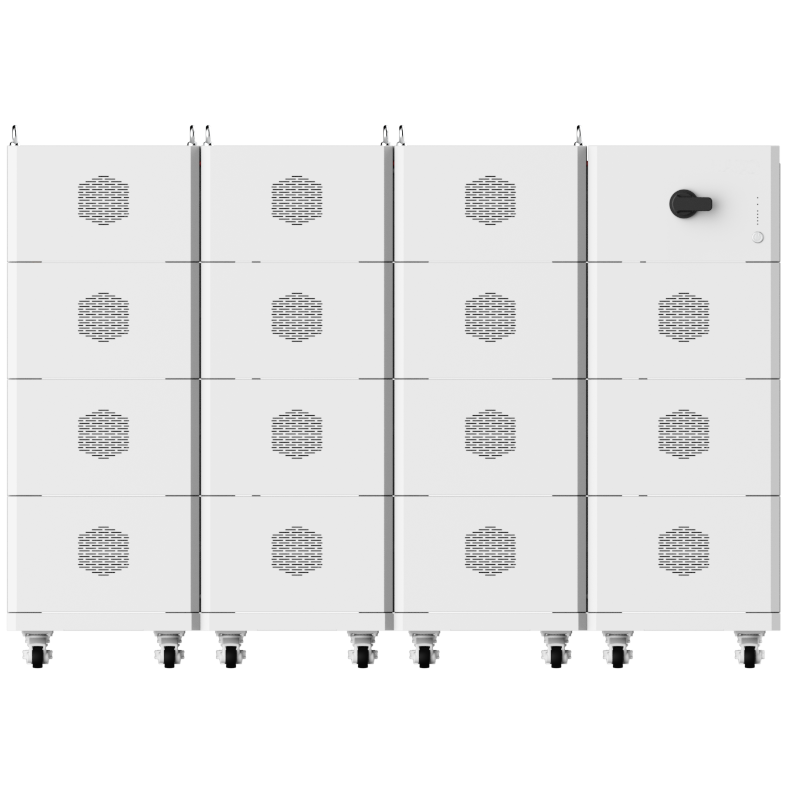
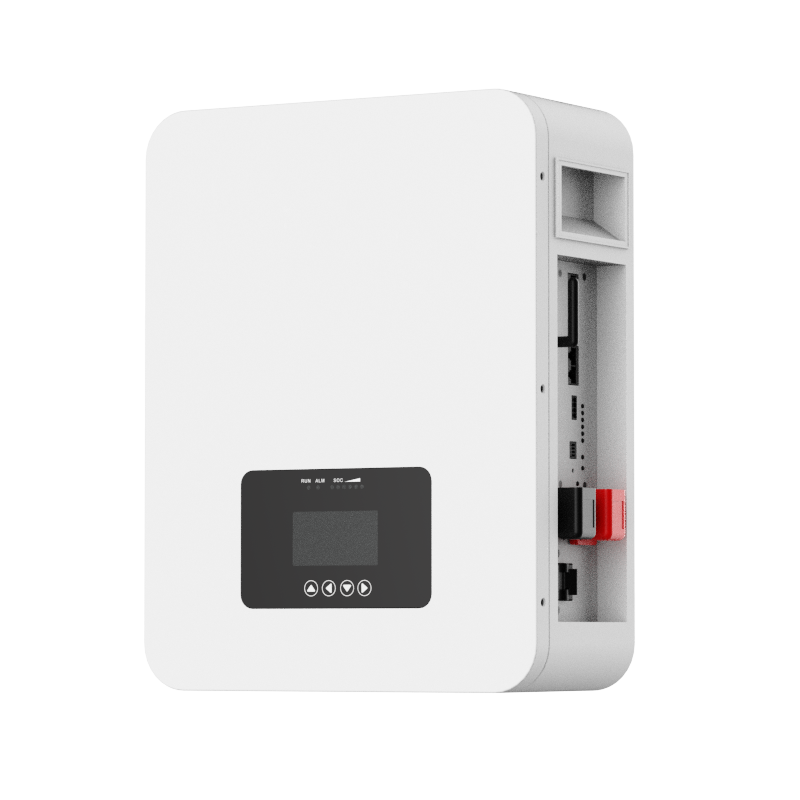
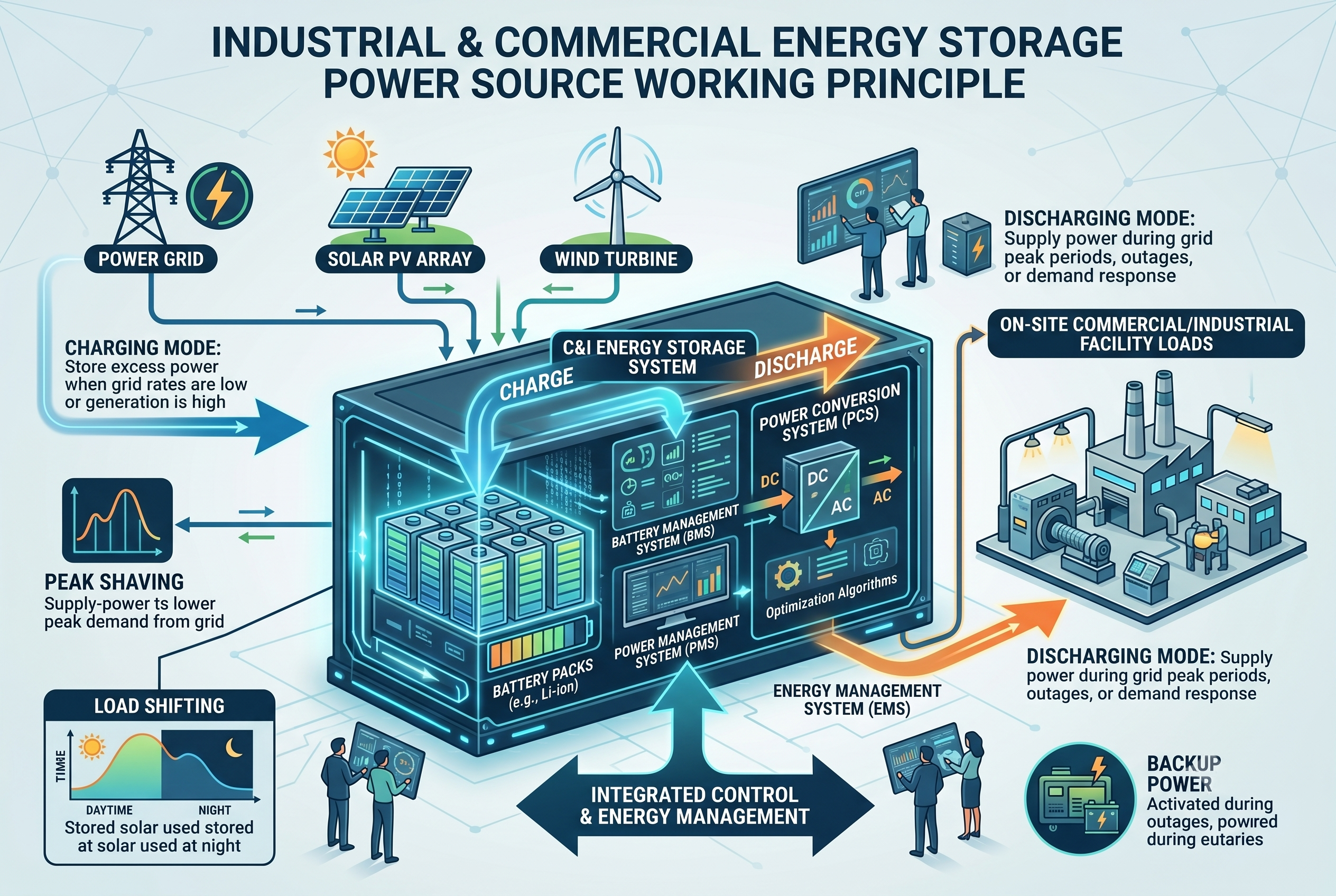
A typical C&I ESS consists of several critical hardware and software components working in harmony within a containerized or cabinet-style enclosure:
Battery Packs: The physical storage units where electrical energy is stored. The overwhelming majority of C&I systems today use lithium iron phosphate (LiFePO₄, or LFP) technology, which accounted for approximately 80.4% of the C&I storage market in 2025. LFP is favored for its exceptional thermal stability (decomposition temperature exceeding 500°C), long cycle life (typically 6,000 to 8,000+ cycles at 80% depth of discharge), and competitive cost — stationary battery pack prices averaged just USD 70/kWh in 2025, a 35% reduction from 2020 levels.
PCS (Power Conversion System): The bidirectional inverter that converts alternating current (AC) from the grid into direct current (DC) for charging, and vice versa for discharging. Modern PCS units achieve conversion efficiencies above 97%, and the transition from air-cooled to liquid-cooled designs is enabling higher power density and quieter operation in space-constrained urban commercial sites.
BMS (Battery Management System): The safety officer of the system. It continuously monitors the voltage, temperature, and state of charge of individual battery cells — often at a precision of ±0.05V per cell — to prevent overcharging, overheating, and cell imbalance, thereby maximizing both safety and operational lifespan.
EMS (Energy Management System): The brain of the operation. Using predictive algorithms, it analyzes real-time electricity prices, facility load profiles, solar generation forecasts, and weather data to automatically determine the most profitable times to charge and discharge. Advanced EMS platforms increasingly incorporate AI-driven optimization, which can learn a facility's energy patterns over time and adjust strategies accordingly.
Thermal Management & Safety Systems: Modern C&I containers integrate liquid cooling or forced-air cooling, multi-layer fire suppression (aerosol or gas-based), and comprehensive safety certifications such as UL 1973, IEC 62619, and CE, ensuring reliable operation across diverse climates and regulatory jurisdictions.
Key Applications and Revenue Streams
Businesses invest in C&I energy storage not merely for backup power, but primarily for compelling economic and operational returns. A well-designed system can generate multiple, simultaneous revenue streams:
Peak Shaving & Valley Filling (Energy Arbitrage): The most common and immediately impactful application. The system charges during off-peak hours when electricity is inexpensive and discharges during peak hours when rates surge. In commercial and industrial settings, demand charges routinely account for 30% to 70% of the total electricity bill, yet they reflect only brief, high-power usage windows. Effective peak shaving can reduce total facility electricity costs by 10% to 40%, with a typical payback period of 4 to 7 years — and under 2.5 years in optimal scenarios where both high demand charges and time-of-use arbitrage are available. According to Mordor Intelligence, peak shaving represented 22.1% of C&I storage revenue in 2025, making it the single largest application segment.
Demand Charge Management: Many industrial tariffs impose fees based on the highest 15-minute average power draw in a billing month. A single equipment startup spike can set the entire month's demand charge. A C&I ESS can supply power during these brief surges, flattening the peak load and avoiding substantial capacity charges — with California utilities charging USD 18–30 per kW of peak demand, savings accumulate rapidly.
Dynamic Capacity Expansion: Rather than paying capital-intensive fees to upgrade a transformer or grid connection for future expansion, businesses can deploy an ESS to handle temporary overloads. This avoids costly, time-consuming infrastructure upgrades and provides immediate operational flexibility.
Backup Power & Business Continuity: Unlike diesel generators, a battery-based ESS provides instantaneous, silent, and emissions-free backup power during grid outages. For manufacturers, a single hour of unplanned downtime can cost tens of thousands of dollars — making the resilience value of storage a significant, albeit harder to quantify, return on investment.
Grid Services & Demand Response: Facilities can enroll in utility or grid operator programs, earning additional revenue by reducing consumption on command or feeding stored energy back to the grid during emergencies. These programs are expanding rapidly in North America, which held 36.5% of the global C&I storage market in 2025, and across Europe and Asia-Pacific.
Solar PV Integration: When paired with rooftop or ground-mounted solar, a C&I ESS maximizes self-consumption. Excess solar power generated during midday is stored rather than exported to the grid at low feed-in tariffs, then discharged during expensive evening hours. This not only accelerates the solar ROI but also dramatically reduces a facility's carbon footprint.
Technology Trends Shaping the C&I Storage Landscape
Several technology shifts are reshaping the C&I storage sector:
AI and Intelligent Dispatch: AI-powered EMS platforms are moving from rule-based scheduling to predictive, self-learning optimization — factoring in weather, tariffs, load forecasts, and even carbon intensity signals to make real-time dispatch decisions that maximize both financial return and sustainability outcomes.
Liquid Cooling: As system power density increases, liquid cooling is replacing traditional air cooling in many C&I products. Liquid-cooled cabinets offer higher energy density per square meter, quieter operation, and more stable cell temperatures — all critical for urban installations.
Sodium-Ion Emergence: While LFP remains dominant, sodium-ion battery technology is emerging as a compelling alternative for stationary storage. With no reliance on lithium, cobalt, or nickel, and featuring abundant raw material supply chains, sodium-ion is projected to grow at a 37.5% CAGR through 2031, according to Mordor Intelligence. CATL has already commercialized sodium-ion cells with 175 Wh/kg energy density for stationary applications.
Standardization and Pre-Integration: The industry is moving toward factory-pre-assembled, containerized solutions that integrate batteries, PCS, BMS, EMS, fire suppression, and thermal management into a single, plug-and-play unit. This reduces on-site engineering, commissioning time, and project risk.
Conclusion
Commercial & Industrial Energy Storage Systems represent far more than a technological upgrade — they signal a strategic shift toward energy independence and operational resilience. With demand charges consuming up to 70% of many industrial electricity bills, battery costs reaching historic lows, and AI-driven intelligence unlocking new layers of value, the business case for C&I storage has never been stronger. For forward-looking enterprises, an ESS is no longer a "nice to have" — it is a competitive necessity, transforming electricity from a fixed expense into a managed, monetizable asset while actively contributing to the global clean energy transition.
 ×
×
 Hot News
 EN
EN