EN



How Stacked Lithium Battery Performs in Long Term Continuous Operation
A stacked lithium battery can be a practical choice for equipment or energy-storage systems that run for long periods, but its endurance is not decided by the word “stacked” alone. In continuous service, the useful question is whether the complete pack controls heat, current, voltage limits, and cell-to-cell variation over time.
From an engineering perspective, a stacked lithium battery should be assessed as a system: cells, conductive paths, mechanical compression, insulation, sensing, battery management system (BMS), enclosure, and the load profile all affect the outcome. A well-integrated pack can hold voltage more consistently under repeated demand. A poorly matched pack may still age quickly even if its internal layout looks advanced.
What “stacked” can mean in a battery pack
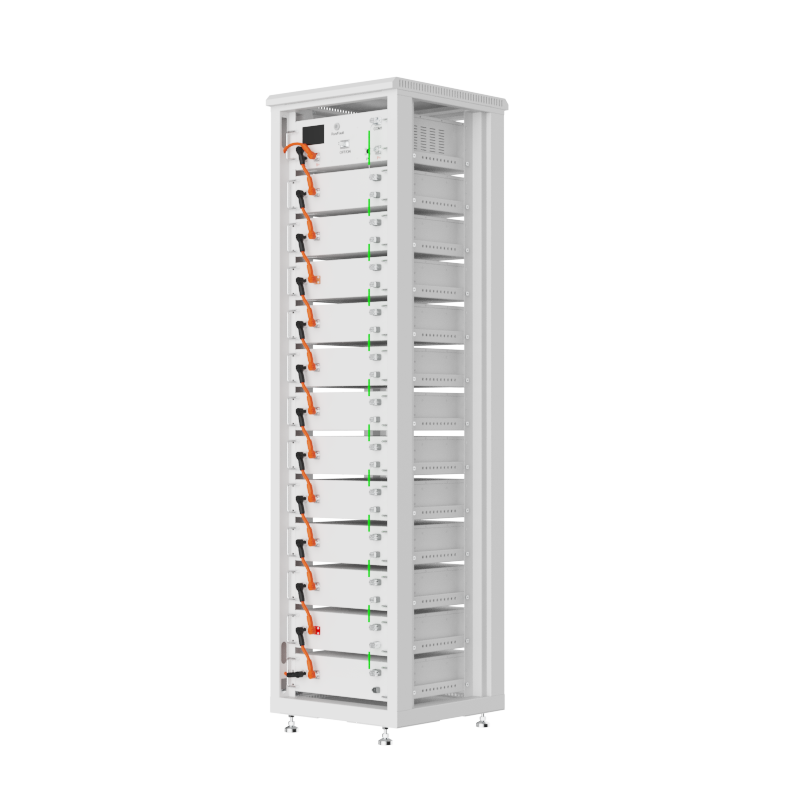
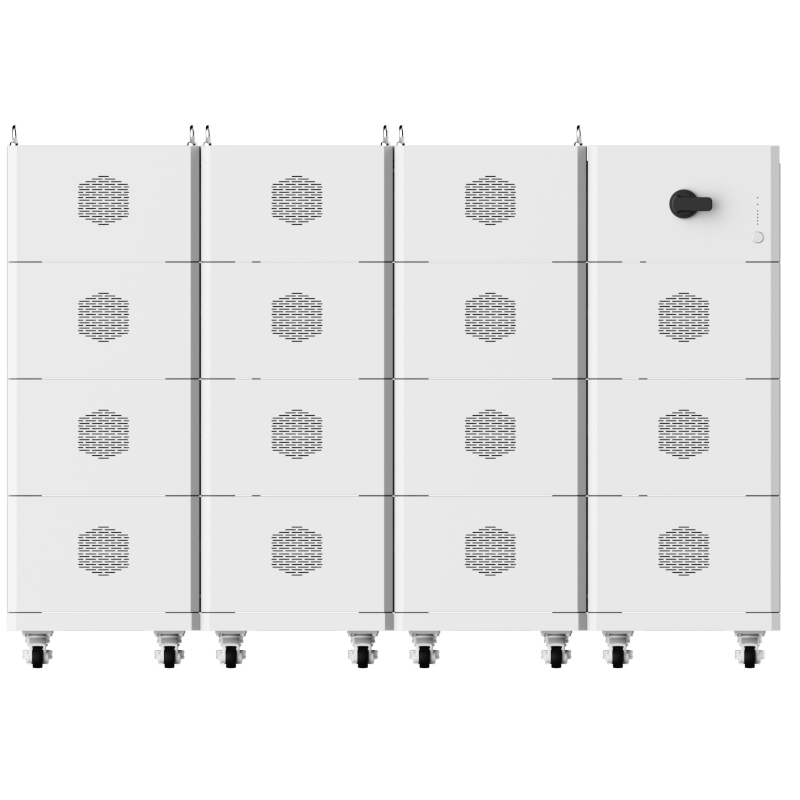
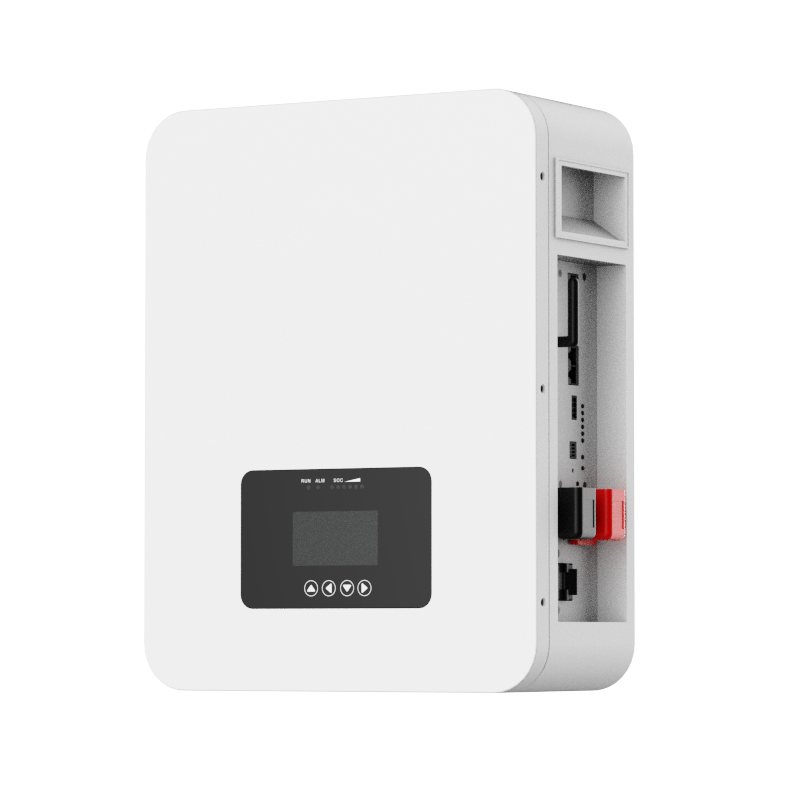
The term stacked lithium battery is used in different ways. It can describe layered cells or pouch-cell assemblies, a pack with low-resistance current paths, or modules arranged in a stacked architecture. Those are not interchangeable claims about chemistry, capacity, or lifetime. Before comparing options, confirm the cell format, nominal voltage, usable energy window, maximum continuous current, cooling approach, and BMS functions.
For continuous operation, the layout may help shorten current paths and distribute mechanical support. That can be useful when a pack is asked to deliver frequent, sustained power. Still, the layout does not remove electrochemical aging. A stacked lithium battery remains sensitive to temperature, high state of charge, deep discharge, charging rate, and the quality of cell matching.
The four conditions that shape long-term performance
Temperature control
Heat is often the first performance limit to investigate. Every charge and discharge event creates losses, and continuous use leaves less time for the pack to return to a stable temperature. If temperatures rise unevenly across a stacked lithium battery, the warmer cells can age faster and drift away from the rest of the string. That drift reduces the usable operating window because the BMS must protect the first cell that reaches a voltage or temperature limit.
Ask where temperature sensors are placed, how the enclosure sheds heat, and whether the system derates output at defined thresholds. Ambient temperature matters as much as internal temperature. A pack that performs acceptably in a short indoor test may need a different thermal design for a hot equipment room, outdoor cabinet, or daily solar-storage cycle.
Continuous current and voltage sag
A stacked lithium battery should be evaluated at the actual continuous current, not only at a headline peak rating. High current increases resistive losses and can make terminal voltage sag more noticeable under load. The effect depends on cell resistance, interconnect design, cable sizing, contact quality, pack temperature, and state of charge. Lower voltage under a steady load can cause an inverter or controller to reach its low-voltage cutoff earlier than expected.
For a realistic evaluation, define the load in amps or kilowatts, its duration, start-up surges, and the recovery periods between events. Then request a discharge curve or test report at comparable conditions. If the supplier cannot align the test condition with the intended duty cycle, nominal amp-hour capacity alone is not enough to predict continuous-run behavior.
State-of-charge window and cycle depth
Long service life is usually supported by an operating policy rather than by running every cycle from full to empty. Depth of discharge is widely recognized as a cycle-life factor, so a stacked lithium battery used continuously should have usable state-of-charge limits that fit the application. Leaving an appropriate reserve can reduce stress and helps the system maintain power when loads change unexpectedly.
The right window is application-specific. A backup system may prioritize stored reserve; a daily-cycling ESS may prioritize energy throughput within manufacturer-approved limits. In both cases, the control strategy should be documented in the BMS and inverter settings, rather than left to informal operating habits.
BMS supervision and cell balance
During long-term operation, individual cells do not age at exactly the same rate. A capable BMS monitors pack voltage, cell voltages, temperatures, current, and fault conditions. It should also manage balancing within its intended design limits. For a stacked lithium battery, reliable sensing connections and clear alarm logic are as important as the cell arrangement, because a small imbalance can become a recurring limit after many cycles.
Review the BMS communication protocol, protection thresholds, event logs, and service access before deployment. Operators should be able to identify whether a shutdown came from high temperature, low cell voltage, communication loss, overcurrent, or another protection event. That information turns maintenance from guesswork into a controlled response.
What changes over months and years?
In normal aging, a stacked lithium battery gradually loses available capacity and its internal resistance can rise. The practical signs are shorter runtime at the same load, earlier voltage cutoff, more heat under comparable current, or increased mismatch between modules. Calendar aging also continues when the battery is idle, especially at unfavorable temperature or state of charge.
Continuous operation does not automatically mean poor life. Stable temperatures, moderate current, sensible state-of-charge limits, and consistent monitoring can make service more predictable. Conversely, repetitive deep discharge, charging when cells are too hot or too cold, poor ventilation, and unaddressed imbalance can accelerate degradation. Rather than chase a universal lifetime number, assess verified performance under the duty cycle the system will actually see.
A commissioning checklist for continuous-duty use
- Match the stacked lithium battery voltage and continuous-current rating to the inverter, charger, and cable design.
- Document ambient conditions, ventilation, enclosure clearances, and any required derating plan.
- Set charge, discharge, and state-of-charge limits according to the approved battery and system configuration.
- Confirm that BMS alarms, contactors, fuses, and emergency isolation work before the system enters routine service.
- Record baseline capacity, voltage under a representative load, and temperature readings for later comparison.
- Review logs at planned intervals and investigate trend changes before protection events become repeated outages.
How to compare suppliers without relying on marketing claims
When sourcing a stacked lithium battery for an ESS project, request evidence tied to operating conditions: cell chemistry and configuration, continuous and peak limits, test temperature, usable energy range, protection logic, communication compatibility, and warranty terms. A credible supplier can discuss system integration and the boundary between battery, inverter, and installation responsibilities without promising a universal runtime.
HANO works with residential, industrial, and commercial energy-storage requirements, where configuration and operating environment need to be considered together. For long-running applications, the strongest purchasing decision is one based on a defined load profile and verifiable controls rather than a single headline performance claim.
Conclusion
A stacked lithium battery can perform steadily in long-term continuous operation when its pack design is matched with appropriate thermal management, current limits, a sensible state-of-charge window, and active BMS supervision. Treat the battery as part of an integrated system, collect baseline data at commissioning, and compare future performance against the real duty cycle. That approach gives operators a clearer basis for reliability, maintenance, and lifecycle planning.
 Hot News