EN



How High Voltage Stackable Home Battery Adjusts Energy Output Intelligently
A high-voltage stackable home battery is often described as a larger reserve of solar energy. That description is useful, but incomplete. In a real home, stored energy is only valuable when the system can decide how much power to release, when to charge, and when to hold back. Those decisions are made across the battery management system (BMS), the inverter, and the home energy controls.
For a household with daytime solar production and heavier evening use, the practical question is not simply “How many kilowatt-hours are installed?” It is whether the system can match battery output to changing loads without operating outside its temperature, voltage, state-of-charge, or inverter limits. A high-voltage stackable home battery is designed to make that coordination more efficient while allowing capacity to grow in modules.
Start with the difference between energy and output
Energy is the amount the battery can store; output is the power delivered at a moment in time. A home may need a modest, steady supply for lighting and refrigeration, then a short burst when a pump, kettle, or air conditioner starts. The controller does not treat every request as identical. It evaluates the load request alongside the system’s safe operating window.
At first glance, a high-voltage stackable home battery may look as if it simply sends all available energy to the house. Actually, that is only part of the picture. The inverter determines the AC-side demand it can serve, while the BMS monitors battery-side conditions such as voltage, temperature, and state of charge. The energy management layer can then apply operating priorities, for example serving household loads first, charging from surplus solar, or preserving a reserve for an outage.
How the control chain makes an output decision
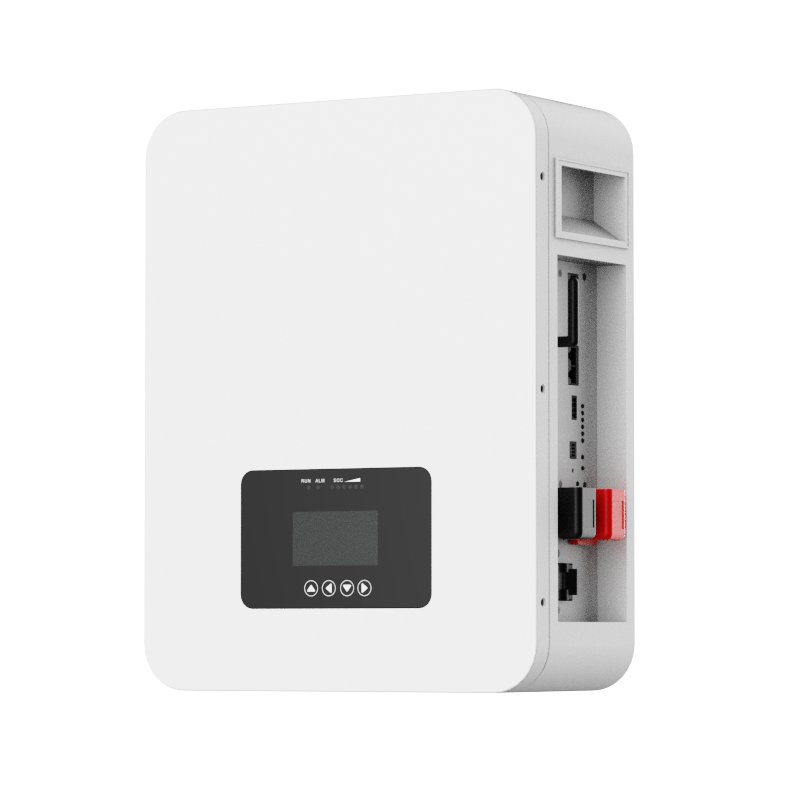
Intelligent adjustment is a coordinated process rather than a single “smart” switch. The battery’s BMS gathers measurements from the modules. It can identify a condition that calls for a lower charge or discharge current, such as a low state of charge, a temperature outside the preferred operating range, or an imbalance that needs correction. The inverter translates approved battery-side power into usable AC power for the home. A home energy controller, where present, applies the owner’s schedule, tariff, solar, backup, or load-priority rules.
Public technical guidance on battery energy storage describes the BMS as monitoring state of charge and supporting protective controls, while EMS and power-conversion functions manage charging and discharging. For homeowners, the important takeaway is simple: the system should adjust within defined limits instead of forcing the battery to deliver the same output under every condition.
State of charge changes the available operating window
As stored energy falls, a controller may preserve a configurable reserve or reduce discharge demand before the battery reaches its protective threshold. This is useful for a home that expects a possible outage later in the day. A high-voltage stackable home battery can therefore appear to “hold back” energy, but that behavior may be an intentional reserve policy rather than a lack of capacity.
Temperature and module balance matter too
Many buyers focus on a peak power number, but during a long evening load, sustained thermal conditions and module balance can matter more. The BMS uses measurements to keep operation inside the system’s permitted conditions. If one constraint becomes limiting, it can request a reduced current or stop a particular action. This conservative response is part of intelligent output management, not necessarily a fault.
Why higher voltage can help the system work efficiently
In broad terms, the same power can be transferred with less current when voltage is higher. Lower current can reduce resistive losses in appropriately designed conductors and power electronics. That does not mean every high-voltage stackable home battery will deliver the same efficiency or power; the installed inverter, wiring, module configuration, and operating conditions still set the result. It does explain why high-voltage architectures are commonly considered for homes that need a meaningful power level from a compact storage system.
System compatibility is the key check. The battery’s approved voltage range, communications protocol, and charge/discharge limits must match the inverter configuration. A sound proposal evaluates the complete system rather than selecting a battery from its headline voltage alone.
What stackable modules add to intelligent management
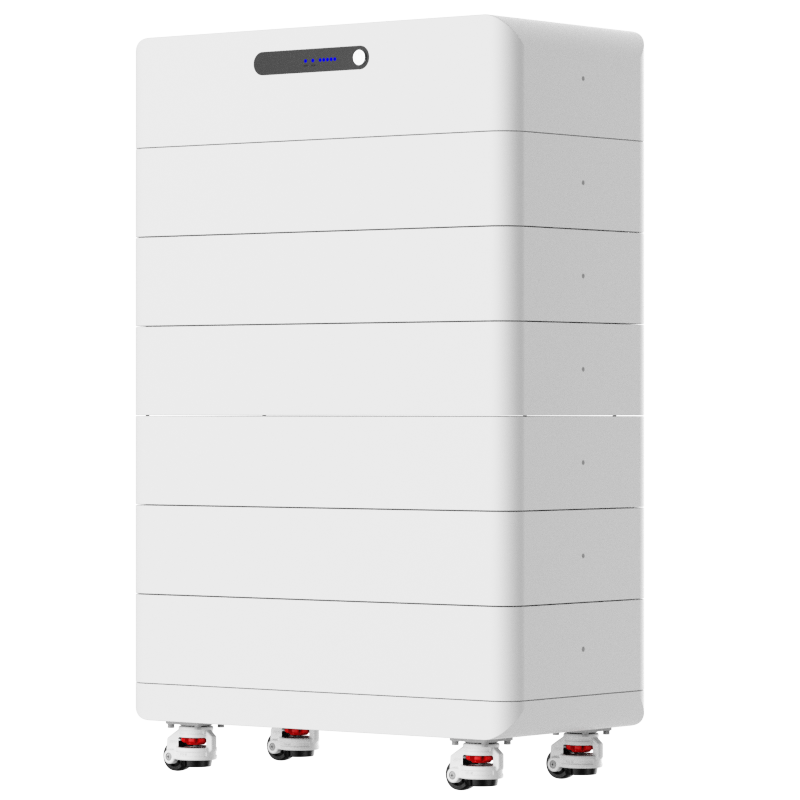
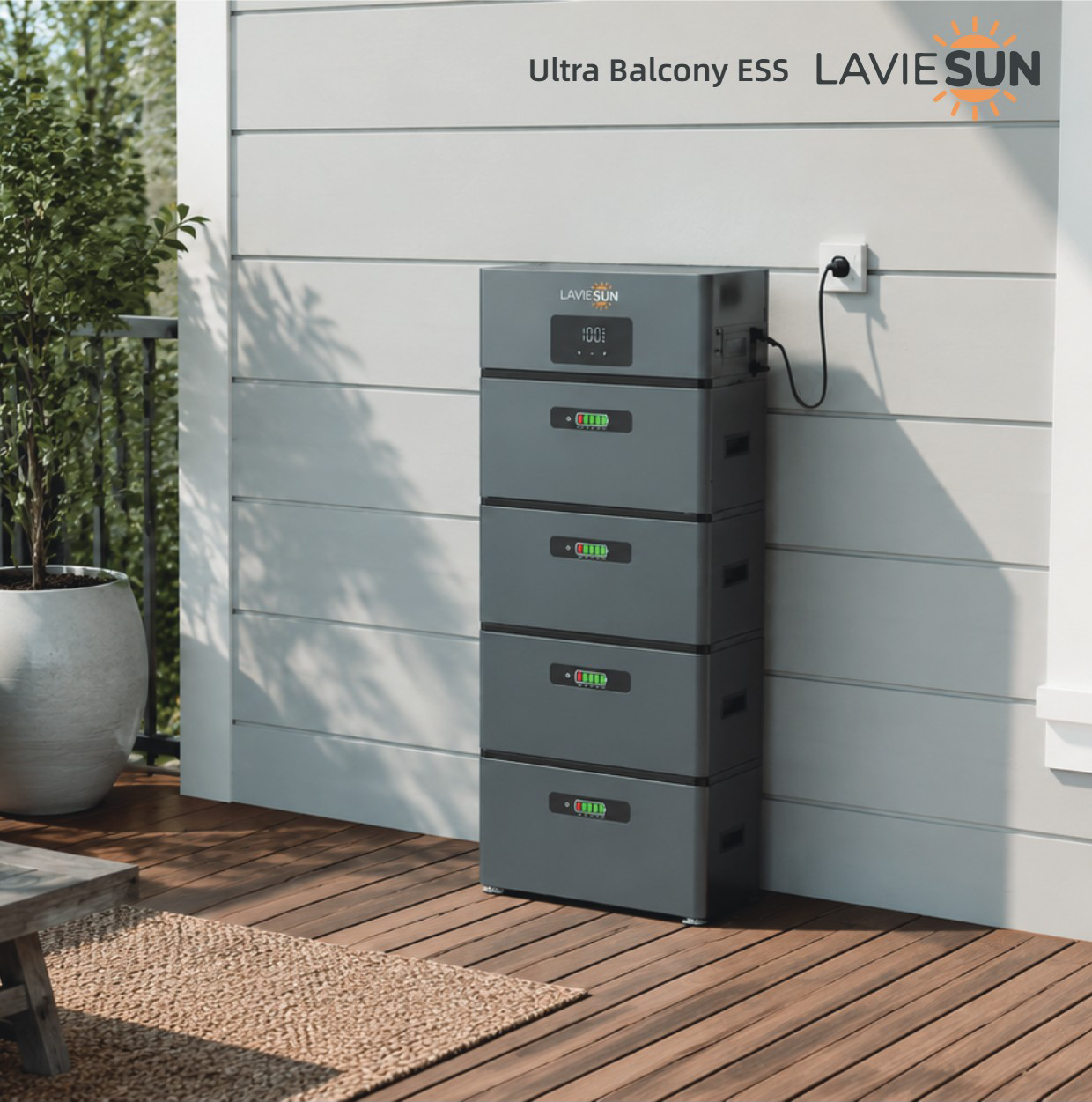
Stackable design supports staged capacity planning. Instead of replacing an entire system when household consumption changes, an owner may be able to add compatible modules within the manufacturer’s configuration rules. That flexibility can help households with growing solar generation, an added appliance, or a later backup-power requirement.
However, adding modules is not only a mechanical task. The controller must recognize the approved stack configuration and apply the correct limits for the combined battery. Commissioning should verify module communication, voltage sensing, and charge/discharge settings before normal operation. HANO’s merchant profile identifies residential energy storage and custom ESS as part of its business scope; a project discussion should therefore focus on the verified inverter pairing, expansion plan, and local installation requirements rather than assumed ratings.
A household example: solar afternoon to evening peak
Imagine a home that produces surplus solar power in the afternoon, then sees cooking and cooling loads rise after sunset. During surplus production, the energy controls may direct available solar toward the battery after immediate loads are supplied. As solar output declines, the inverter can request battery power to support the home. The BMS communicates the safe battery-side response, while the system respects the configured minimum reserve.
If a large appliance starts, the request for power can rise quickly. Whether the system supports all, part, or none of that demand depends on the installed inverter rating and the battery’s approved operating limits. This is why an intelligent high-voltage stackable home battery is more accurately understood as a managed system: it aims to prioritize stable, permitted operation instead of promising unlimited output.
Questions to ask before specifying a system
- Which household loads are essential during an outage, and what are their starting and running demands?
- What inverter voltage range and communication protocol are approved for the battery configuration?
- How much solar surplus is typically available, and when does the household consume most electricity?
- What backup reserve, tariff schedule, or self-consumption priority should the controller follow?
- What expansion path is permitted, including module count, commissioning procedure, and service access?
The practical takeaway
A high-voltage stackable home battery adjusts energy output intelligently by combining measurements, protection limits, inverter coordination, and household operating rules. The result is not a fixed promise of power at every moment. It is a controlled response to the home’s load, available solar, battery condition, and chosen priorities. When comparing systems, look beyond capacity and peak figures: ask how the BMS, inverter, and control settings work together, and confirm the final configuration with a qualified installer or supplier.
 Hot News