EN



How LiFePO4 Home Battery Adapts to Different Household Environments
When I first started working with residential energy storage deployments across sub-Saharan Africa and parts of the Middle East, I made the same mistake most first-timers make: I focused almost entirely on battery capacity and cycle count when evaluating a lifepo4 home battery. It took a few field visits to understand that what matters more is how the system behaves in your specific household environment — not just in a controlled lab setting. That shift from specification-first to scenario-first thinking changes everything about how you evaluate and configure a home energy storage system.
What "Different Household Environments" Actually Covers
The phrase might sound straightforward, but household environments vary across at least four dimensions: climate conditions, grid connection type, physical installation space, and daily power consumption patterns. A lifepo4 home battery that performs reliably in a temperature-controlled Australian suburban home will face a different set of demands in a rural off-grid household in West Africa — and the adaptation isn't just about buying a bigger unit. It involves understanding how the battery chemistry, thermal management system, and BMS respond to local operating conditions.
In most cases, the underlying LiFePO4 chemistry is inherently better suited to environmental diversity than older lithium-ion chemistries. That said, every lifepo4 home battery installation requires intentional configuration choices at the time of deployment — not just an off-the-shelf purchase.
Hot Climates and Thermal Performance
For households in high-ambient-temperature regions — common across parts of Africa, Central Asia, and Northern Australia — thermal behavior is the primary environmental adaptation challenge. LiFePO4 batteries generally operate within a range of -20°C to 60°C, but the optimal charging range is typically between 0°C and 50°C, with optimal capacity output typically sustained between 10°C and 35°C. If your installation environment regularly exceeds 35°C — which is not unusual in desert-adjacent regions during summer — you can expect some reduction in effective usable capacity and, over time, a modest acceleration in cell degradation.
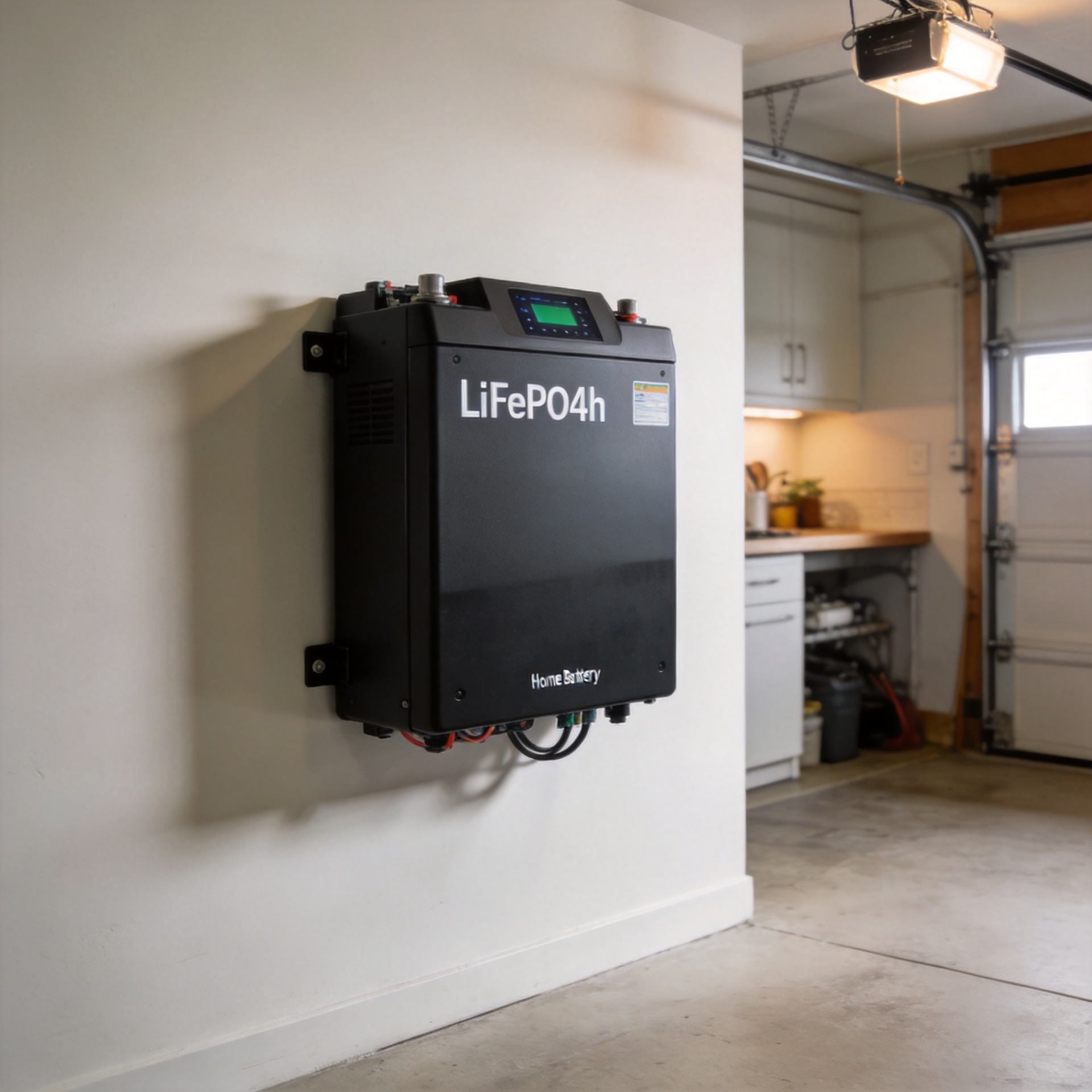
At first glance, that temperature tolerance looks sufficient. Actually, that's only part of the picture. The key is not just the ambient operating temperature, but whether the battery enclosure has adequate ventilation and whether the BMS includes active thermal monitoring. A well-designed lifepo4 home battery system for hot climates should include active or passive cooling provisions and a BMS that can throttle charge rates when internal temperatures approach thresholds.
In practice, for households in high-heat environments, positioning the battery in a shaded, ventilated utility space — rather than in a sealed outdoor enclosure exposed to direct sun — makes a measurable difference in long-term performance and cycle life. If your peak ambient temperatures are consistently above 40°C, this positioning choice often matters more than the raw specification sheet.
Off-Grid vs. Grid-Tied Households
The second major environmental dimension is grid availability. A lifepo4 home battery in a grid-tied household typically operates as a backup or load-shifting device — it may go weeks without a deep discharge cycle. An off-grid household, by contrast, may cycle the battery fully every single day.
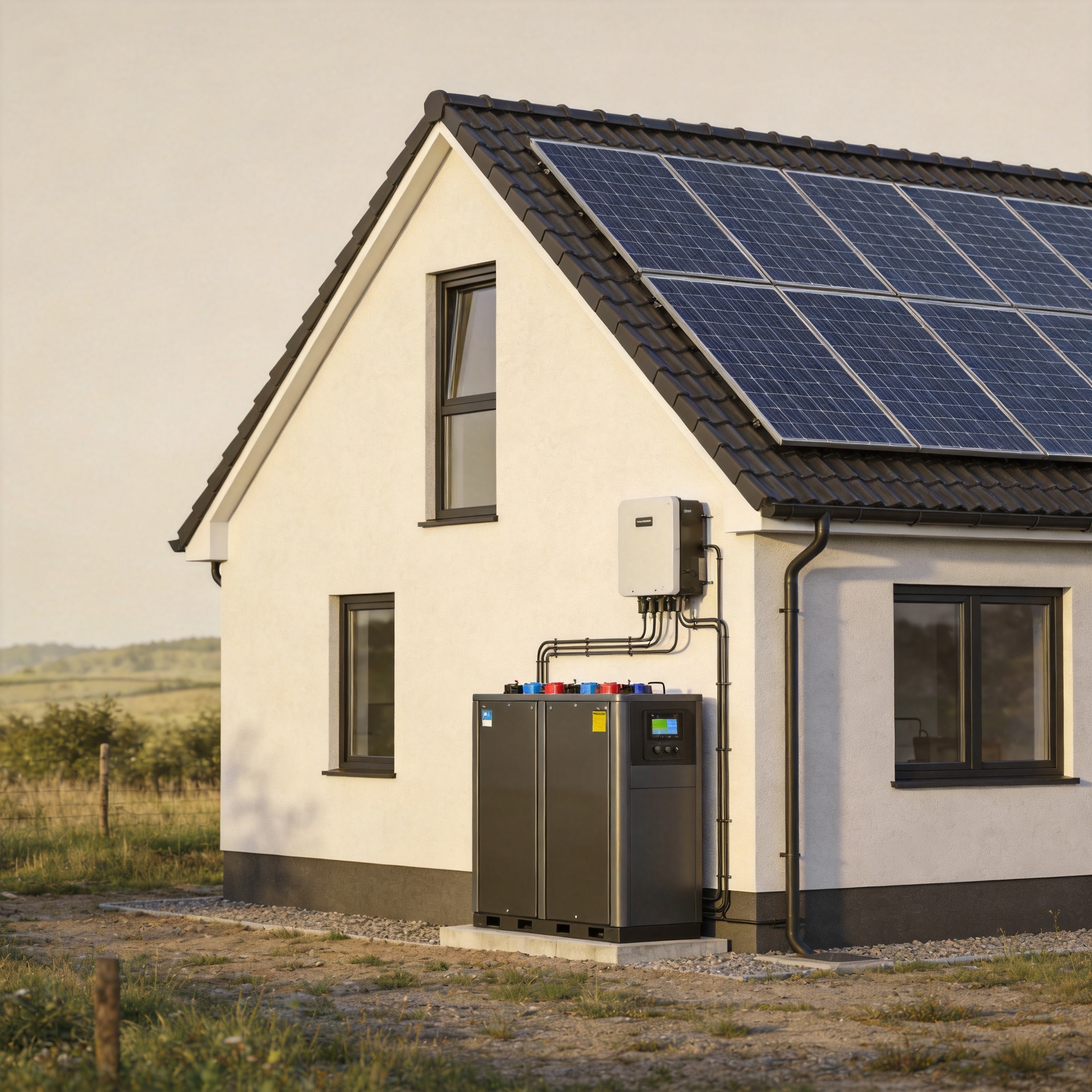
This difference has direct implications for how you size the system. LiFePO4 batteries are commonly rated for between 3,000 and 6,000+ charge cycles at 80% depth of discharge, which translates to roughly 10 to 15 years of daily use under typical conditions. For an off-grid household in rural Africa that depends on the battery as its primary power source, sizing with adequate headroom — rather than running the system at maximum depth of discharge daily — is a straightforward way to extend working life in that specific household environment.
For grid-tied households where backup is the primary use case, the adaptation consideration shifts to standby self-discharge rates and the ability to maintain partial state of charge over extended periods without significant degradation. LiFePO4 chemistry handles this relatively well compared to other lithium chemistries, which is one reason it has become the default choice for residential storage systems in markets like Australia.
Installation Space and Physical Configuration
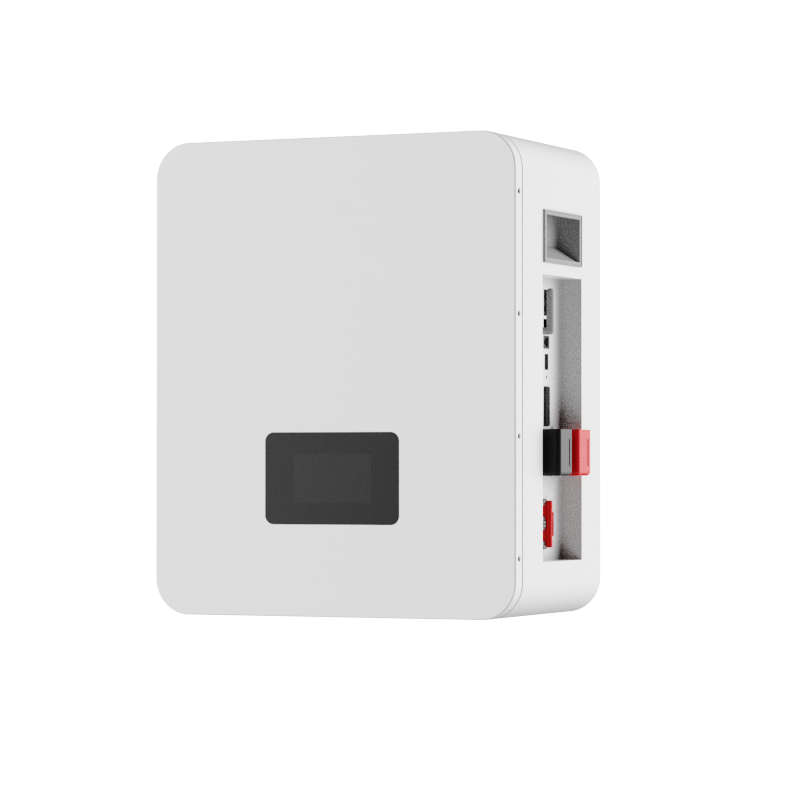
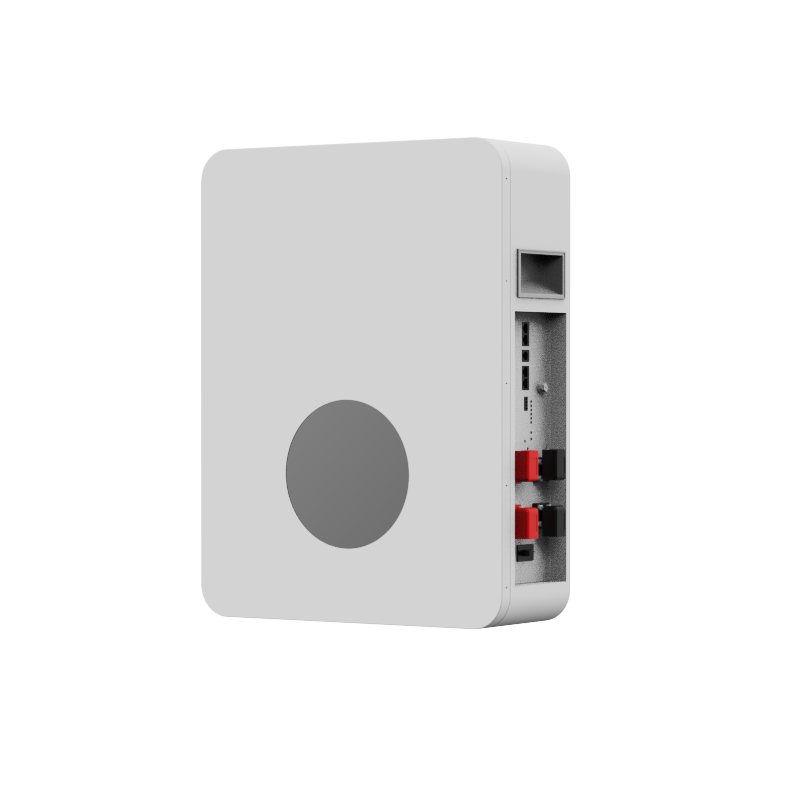
Household environments differ significantly in how much physical installation space is available. A detached home with a utility room can typically accommodate a wall-mounted rack or floor-standing cabinet unit without difficulty. An apartment or a compact rural home with limited indoor space presents a different challenge.
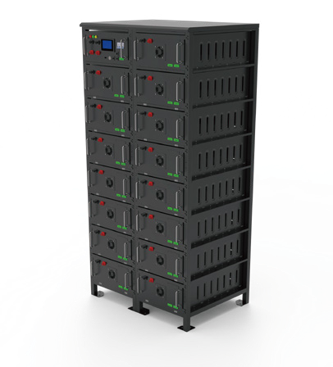
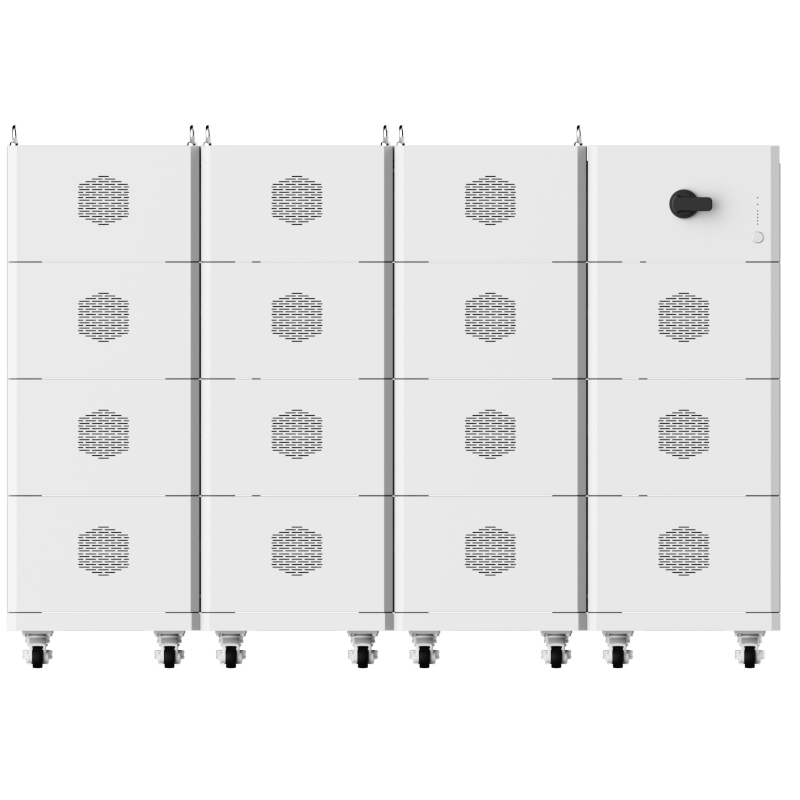
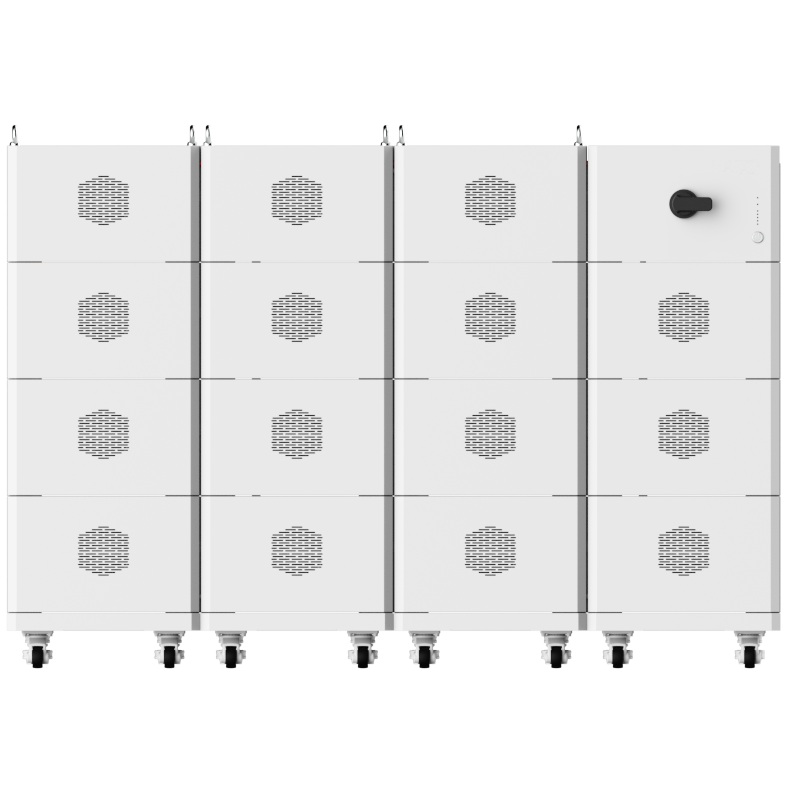
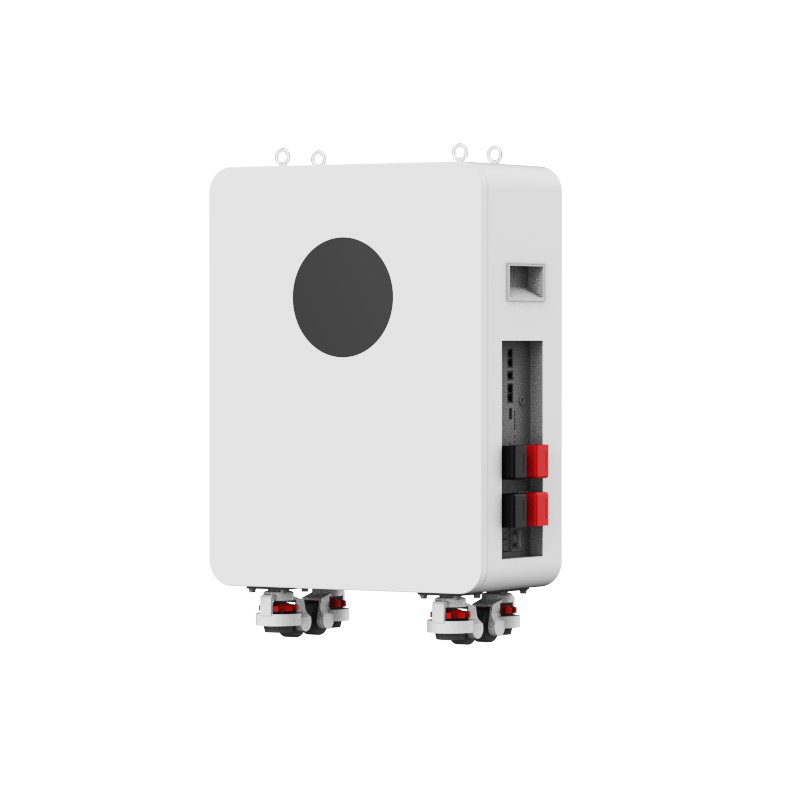
Modular rack-based lifepo4 home battery systems address this by allowing households to start with a smaller capacity — often as low as 5 kWh — and expand as budget and space allow. This modularity is particularly relevant in markets where households are adding storage incrementally alongside a growing solar installation. If your household environment has space constraints, evaluating the physical footprint and expansion path of the lifepo4 home battery system is as important as evaluating the initial capacity.
Matching Capacity to Your Household Load Profile
The final environmental dimension is how your household actually uses electricity. A household with stable, predictable loads — refrigeration, lighting, a few appliances — can size a lifepo4 home battery with reasonable confidence using daily consumption averages. A household with highly variable loads — air conditioning units that cycle on and off, workshop equipment, water pumps — needs to account for peak demand alongside average capacity.
In general, for most household environments in the 5 kWh to 30 kWh daily consumption range, a lifepo4 home battery system sized at 1.0 to 1.5 times average daily consumption provides a reasonable buffer. However, if peak demand fluctuates significantly, you'll want to verify that the system's continuous discharge rate — not just its total capacity — matches your highest instantaneous load. A battery with adequate capacity but insufficient discharge rate will limit performance in households that run high-draw appliances simultaneously.
Why LiFePO4 Chemistry Handles Environmental Diversity Well
Across all these dimensions, LiFePO4 chemistry maintains a consistent advantage: its thermal stability and relatively flat discharge curve make it more predictable across varying operating conditions than alternatives like NMC. The phosphate-based cathode is inherently resistant to thermal runaway, which matters in environments where temperature management conditions are not consistently controlled. The chemistry also tolerates partial states of charge better than some alternatives, making it well-suited to households where charging patterns are irregular — common in off-grid setups dependent on intermittent solar generation.
For households in markets like Australia, where grid stability is generally high but energy cost management drives storage adoption, these characteristics translate to a system that reliably delivers value over a decade-plus service life without requiring intensive maintenance. For households in Africa or Central Asia, where off-grid reliability is the primary need, the same characteristics provide a foundation for dependable daily operation across a wide range of environmental conditions.
Selecting the Right Configuration for Your Environment
Choosing a lifepo4 home battery system that genuinely adapts to your household environment means evaluating more than headline capacity. The questions worth asking before purchase include: What are the actual ambient temperature ranges in your installation location? Will the system be cycling daily or serving primarily as backup? What physical space and configuration options are available? And does your household have predictable or variable peak loads?
If your priority is long-term reliability in a demanding climate environment, focus on systems with active thermal management, a proven BMS with temperature-based charge throttling, and a manufacturer with documented experience in markets similar to yours. If your priority is flexibility for a household that may grow and change over time, prioritize modularity and expandability over raw initial capacity.
The right answer varies by household, but in most cases a properly configured lifepo4 home battery, sized and installed for your specific environment, delivers consistent performance across a wider range of conditions than most residential energy storage alternatives available today. Understanding that environmental fit drives long-term value is the starting point for making a confident and informed selection.
 Hot News