EN



Installing a household battery storage system is a major step toward energy independence. Yet, household power demands rarely stay static. Families add electric vehicles, install heat pumps, or switch to time-of-use energy tariffs. Over a five-to-ten-year span, an energy storage setup needs to adapt alongside these changes.
When planning or managing energy storage systems, scalability is frequently overlooked during the initial buying phase. Many system owners focus strictly on immediate kilowatt-hour requirements without evaluating how seamless—or expensive—future expansion might be. Ensuring a storage platform can adapt over time requires understanding the most effective upgrade paths available today.
Capacity Expansion: Adding Modular Storage Units
The most straightforward reason to upgrade a residential storage system is simply the need for more energy capacity. As daily usage grows, an initial battery bank may no longer cover overnight consumption or extended grid outages.
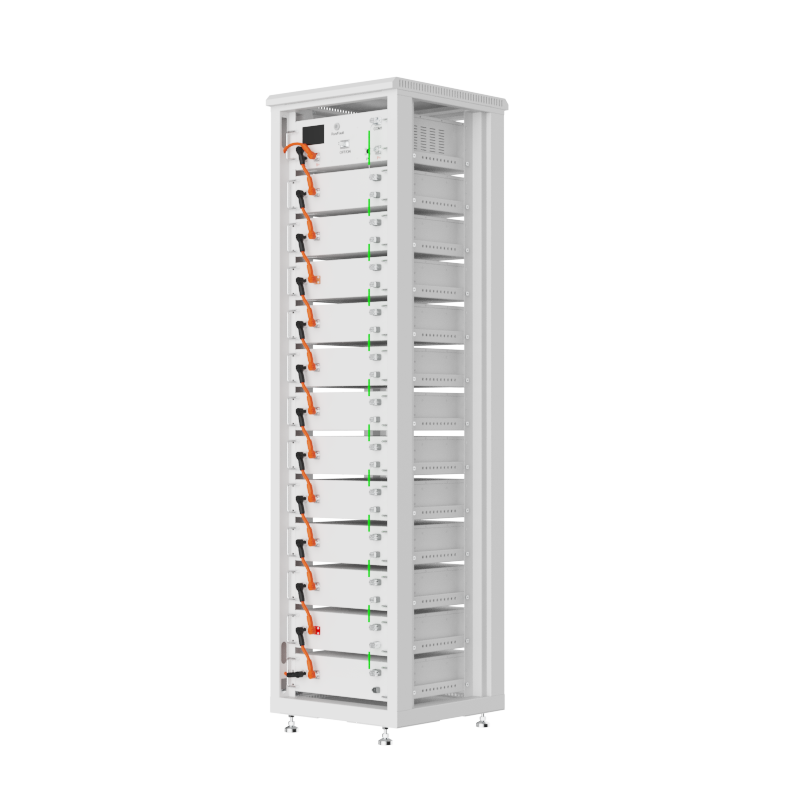
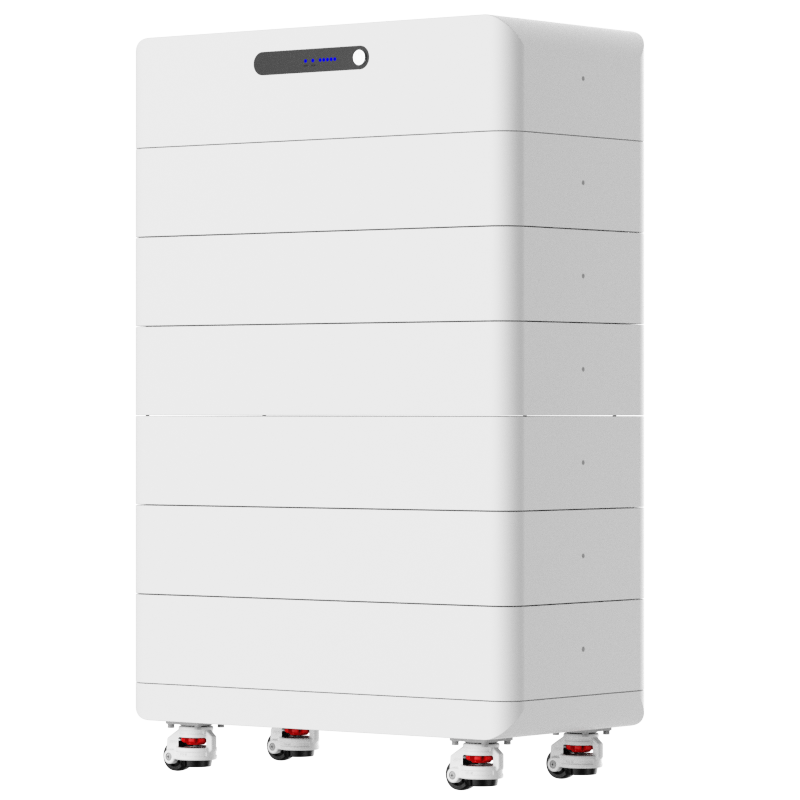
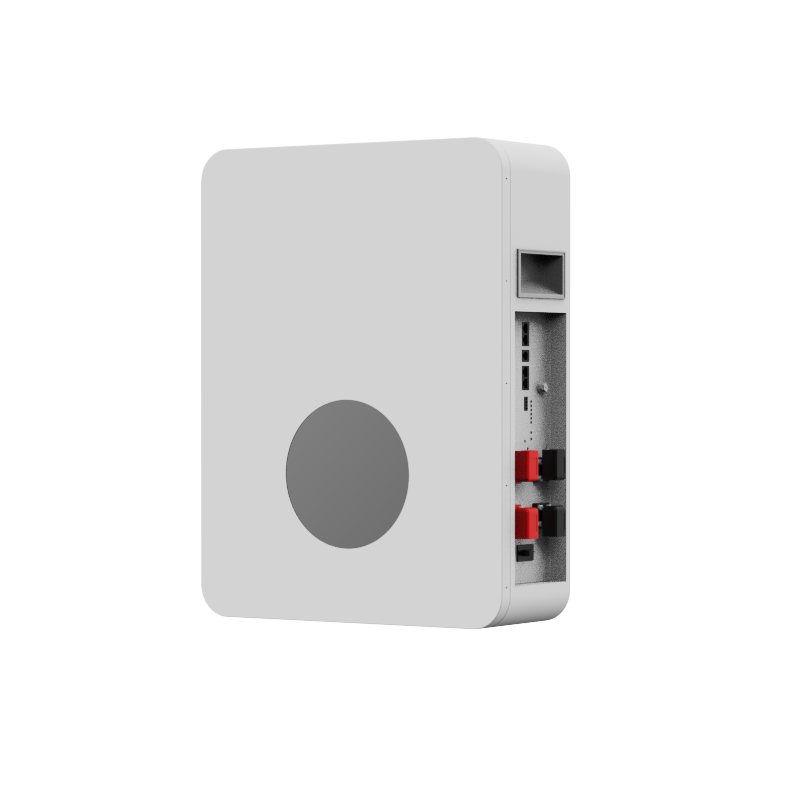
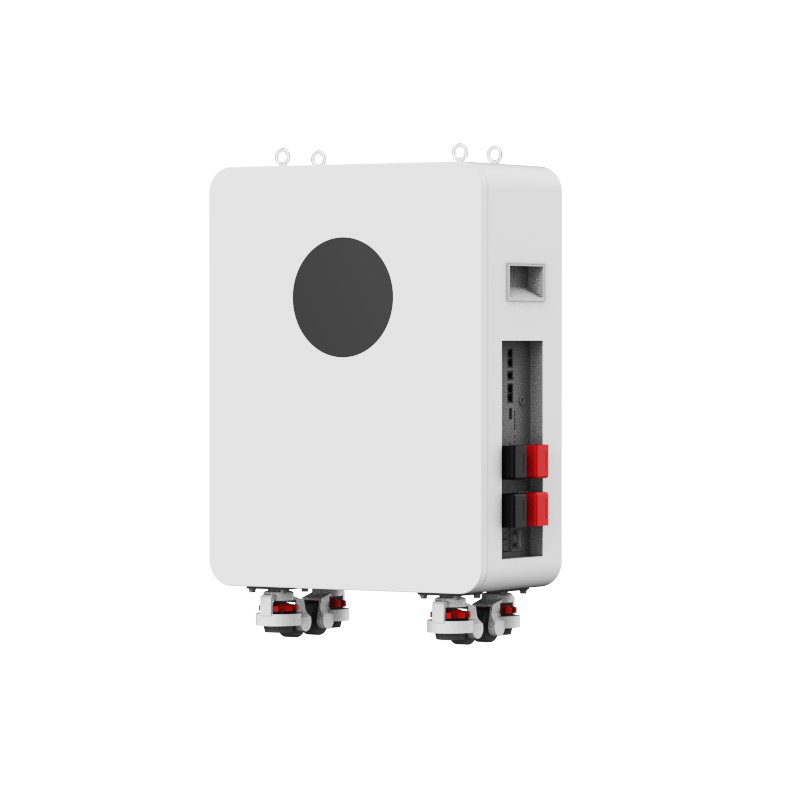
Expanding storage easily depends on whether the original setup uses modular, parallel-ready architecture. With expandable systems, adding capacity involves mounting extra battery modules, configuring the Battery Management System (BMS) to recognize the expanded bank, and recommissioning the unit. No major core rewiring or complete system replacement is necessary.
Modern expandable platforms support scaling from modest entry-level setups (around 3.6 kWh) up to robust residential or light commercial configurations exceeding 25 kWh. However, if an initial installation relies on a closed, fixed-capacity architecture, expanding capacity usually requires swapping out the entire unit—a costly undertaking.
Prior to committing to a storage platform, verifying parallel connection capabilities and confirming that the central BMS can manage higher cell counts without requiring hardware swaps is crucial for long-term value.
BMS Firmware and Intelligent Performance Optimization
The Battery Management System acts as the central brain of any storage setup. It governs charge and discharge rates, monitors individual cell voltages, regulates internal temperatures, and protects against electrical anomalies. An outdated BMS control algorithm can artificially restrict performance even when the underlying lithium cells remain in prime condition.
Updating BMS firmware unlocks several immediate operational benefits without hardware expenditures:
- Refined State-of-Charge (SOC) Calibration: Advanced firmware maintaining SOC tracking within tight tolerances (around 3%) ensures maximum usable capacity without over-stressing cell chemistry.
- Climate-Adaptive Charge Profiles: Modern algorithms automatically adjust charge curves to minimize thermal degradation, particularly in hotter operating environments.
- Enhanced Safety and Fault Diagnostics: Periodic software updates introduce finer detection logic for subtle electrical variances, catching minor irregularities before they cause downtime.
Selecting storage hardware that supports cloud-enabled over-the-air (OTA) updates allows the system to receive performance enhancements automatically over its operational lifecycle.
Inverter Compatibility and Protocol Upgrades
A vital yet frequently ignored upgrade path involves the communication interface linking the battery system to the solar or hybrid inverter. As inverter technology evolves—offering faster grid response, advanced load prioritization, and improved conversion efficiencies—older communication protocols can create operational bottlenecks.
Upgrading or modifying this interface becomes necessary during key system transitions:
- Upgrading an older inverter to a high-efficiency hybrid unit that utilizes updated industrial communication protocols.
- Retrofitting a grid-tied solar setup with AC-coupled storage, requiring seamless handshake integration between different control units.
- Converting a home from single-phase to three-phase power distribution, which alters how energy dispatch is balanced across phases.
Flexible battery storage architectures feature adaptable multi-protocol communication ports (such as CAN, RS485, or Modbus). Using cross-compatible communication modules prevents full system lock-in and leaves room for future inverter swaps.
Remote Monitoring and Smart Telemetry Retrofits
Complete visibility into system health transforms routine maintenance from reactive troubleshooting into proactive management. Energy systems installed without native smart connectivity can often be upgraded using add-on communication gateways to deliver real-time operational metrics.
Integrating remote telemetry provides distinct operational advantages:
- Early Degradation Detection: Identifies cell voltage imbalances early, keeping minor performance dips from turning into hardware failures.
- State-of-Health (SOH) Tracking: Delivers accurate data on cell aging, allowing system managers to schedule cell replacements or expansions based on actual wear.
- Automated Support Diagnostics: Enables off-site technical teams to pull error logs and diagnose issues remotely, drastically reducing service call response times.
For off-grid homes or facilities located in remote regions, remote diagnostic tools are essential for maintaining continuous system uptime.
Energy Management System (EMS) Integration
For advanced setups, integrating a dedicated Energy Management System (EMS) offers significant performance gains over standard battery operation. Rather than simply charging when solar generation is high and discharging when loads spike, an integrated EMS manages energy distribution using real-time data inputs and customized operational rules.
Smart EMS integration unlocks sophisticated energy strategies:
- Time-of-Use (TOU) Arbitrage: Automatically charges batteries from the grid during off-peak, low-cost hours and discharges stored power during peak tariff rates.
- Peak Shaving: Limits expensive power surges from the grid by dynamically supplying supplementary battery power during high-demand moments.
- Critical Load Prioritization: Automatically routes available power to essential circuits during unexpected grid outages.
Ensuring a battery installation is "EMS-ready"—equipped with accessible APIs or standardized serial communication channels—ensures seamless integration with broader smart home ecosystems down the road.
Recommended Upgrade Strategy
To avoid unnecessary costs and hardware conflicts, system updates should follow a logical, step-by-step sequence:
- Firmware Baseline: Verify and update the BMS firmware first to ensure existing hardware operates at peak efficiency.
- Health Assessment: Evaluate real-world capacity against rated specifications. If degradation exceeds 20%, replacing degraded modules may take priority over simple capacity additions.
- Telemetry Activation: Install smart monitoring accessories if they are missing to establish accurate baseline performance data.
- Interface Verification: Confirm communication protocol alignment before purchasing new inverters or smart management hardware.
- Capacity Expansion: Scale up battery storage capacity only after clear operational data confirms the need for additional megawatt-hours or kilowatt-hours.
| Upgrade Item | Core Benefit | Key Risk Without This Upgrade |
|---|---|---|
| BMS Firmware Update | Optimise SOC calibration, thermal charge curves & fault detection | Hardware performance artificially capped, hidden safety risks |
| Communication Protocol Upgrade | Maintain compatibility with new hybrid inverters | System lock-in, cannot upgrade inverter later |
| Remote Telemetry Gateway | Early cell imbalance & SOH tracking | Reactive breakdowns, costly emergency service |
| EMS Integration | TOU arbitrage, peak shaving & critical load control | Simple charge/discharge only, no intelligent energy optimisation |
| Modular Capacity Expansion | Incremental kWh scaling, no full system replacement | Full unit replacement required, high capital cost |
Building for Long-Term Reliability
The long-term upgrade potential of any battery system is largely determined by its underlying design. Systems built on open, modular architectures with proven Lithium Iron Phosphate (LFP) chemistry offer operating lifespans exceeding 4,000 to 6,000 cycles at 80% Depth of Discharge. This long service life gives homeowners a solid decade or more to take advantage of software upgrades, hardware additions, and smarter energy control.
Navigating these technical choices requires strong engineering support and dependable supply chain partners. Helio delivers robust energy storage solutions backed by deep manufacturing expertise, advanced OEM/ODM capabilities, and flexible hardware architectures. By prioritizing modular designs and rigorous quality control from the factory floor upward, Helio ensures residential and commercial energy storage platforms are fully prepared to adapt as global power needs evolve.
 Hot News