 ×
×
Custom energy storage battery development is a technically intensive process. The distance between a product concept—a specific capacity, form factor, voltage configuration, or integration requirement—and a certified, production-ready battery system involves multiple engineering disciplines, compliance testing, manufacturing process development, and ongoing technical collaboration. Understanding what technical support a reputable OEM manufacturer provides at each stage of this journey is essential for buyers evaluating whether a supplier can genuinely deliver on custom development promises.
The first technical support function a custom battery client receives is requirements engineering. Before any design work begins, an experienced manufacturer's engineering team works with the buyer to translate business requirements—power output needs, installation constraints, regulatory markets, operating environments, cost targets—into technical specifications that can be built and tested.
This requirements translation is more complex than it appears. A client saying "I need a 20kWh system for a commercial application in Germany" is actually specifying a constellation of technical requirements: it needs CE marking, must comply with IEC 62619, requires a voltage range compatible with German-approved inverter brands, must operate in the temperature range characteristic of Central European climates, and must be dimensioned to fit standard European equipment room infrastructure. An engineering team that understands both the technical and the regulatory dimensions of this requirement will produce an implementable specification; one that doesn't will produce a design that fails during certification or field deployment.
Helio's 60+ R&D engineers bring this dual technical and regulatory fluency to requirements engineering sessions, ensuring that custom specifications are grounded in what is actually buildable and certifiable.
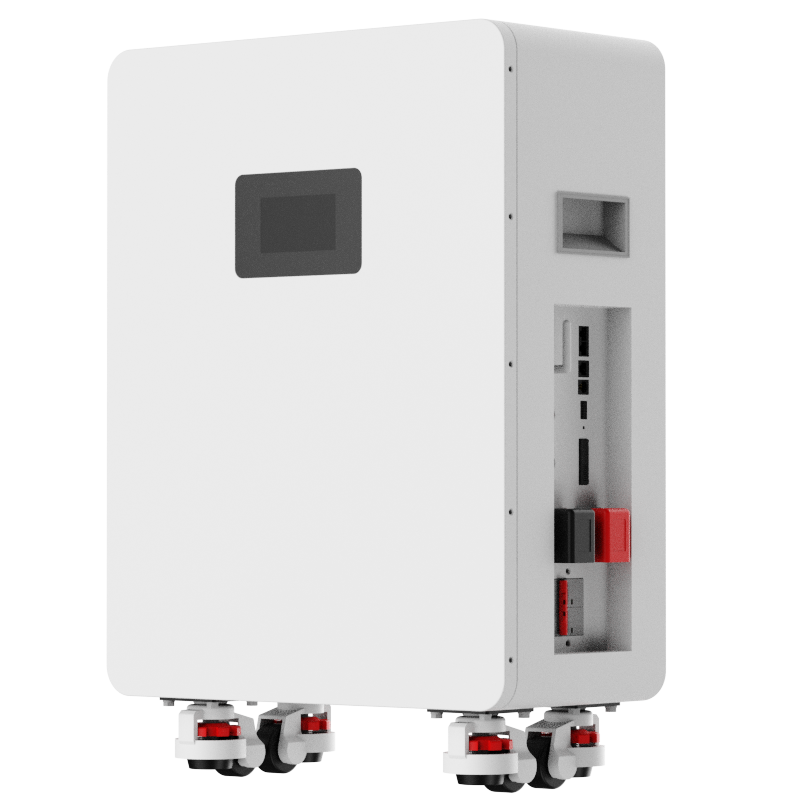
The choice of cell chemistry is the most consequential design decision in custom battery development. LiFePO4 (lithium iron phosphate) has become the dominant chemistry for stationary energy storage applications due to its superior thermal stability, long cycle life, and safety profile. Helio's standard product line is built on LiFePO4 chemistry, and its engineering team's deep experience with this chemistry—including specific cell vendors, quality tiers, and performance characteristics across temperature ranges—is directly applicable to custom development projects.
Cell configuration selection—how many cells in series and how many in parallel—determines system voltage, capacity, and internal resistance. Helio's experience with configurations ranging from 64S1P (HN-HVS5, 10.24kWh) to 2–19 modules in series (HL605, 51.2–972V) provides a reference library of validated configurations that custom projects can adapt rather than developing from scratch. This significantly reduces the engineering time and risk associated with new configuration development.
The battery management system is the most technically complex and differentiating component of a custom battery system. A BMS that accurately measures cell voltages and temperatures, implements protective shutdown logic, communicates reliably with external inverters and management systems, and maintains performance over thousands of cycles is a sophisticated embedded system that requires significant engineering expertise to develop and validate.
For custom clients who need BMS communication profiles that integrate with proprietary energy management platforms, Helio's technical team can develop and test custom communication firmware. The CAN and RS485 hardware interfaces are standard, but the communication protocol layer—the specific messages, data formats, and command structures that a particular inverter or energy management platform expects—can be customized. This BMS customization capability is what enables a custom battery system to function as a native component of a buyer's larger product ecosystem rather than as an external device requiring protocol translation.
Custom BMS development also enables application-specific protective logic. For example, a battery designed for EV charging station buffer applications needs different peak power handling and thermal management logic than one designed for residential time-of-use optimization. Helio's BMS development team can implement these application-specific configurations as part of the custom development process.
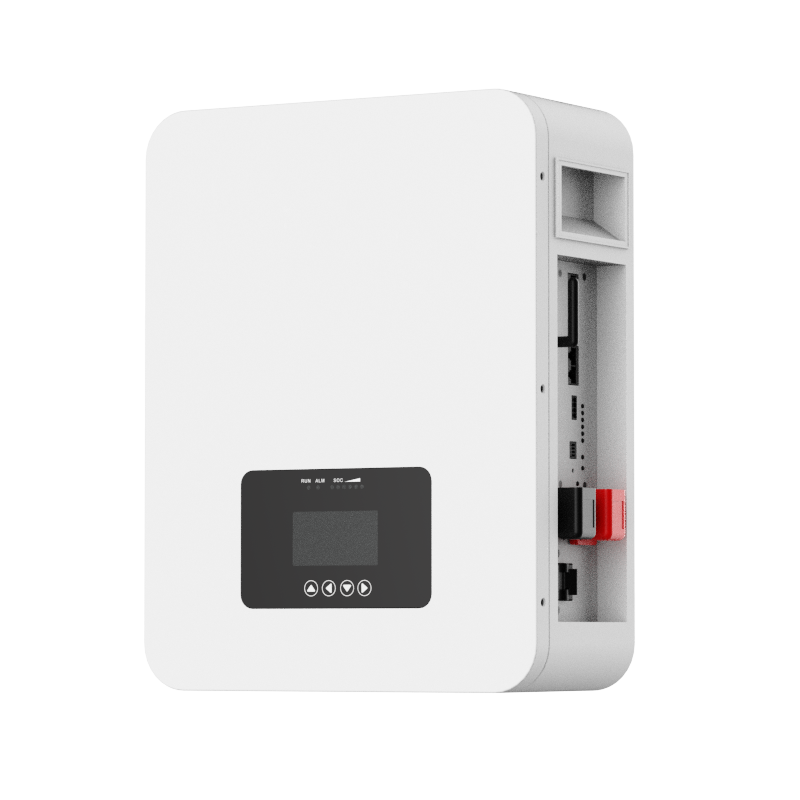
Not all custom battery requirements are electronic. Many derive from installation environment constraints: an equipment cabinet that requires a specific footprint, a wall-mounted configuration that must fit within a defined height and depth envelope, an outdoor installation that requires IP55 or higher environmental protection, or a transportation application that requires vibration and shock resistance ratings.
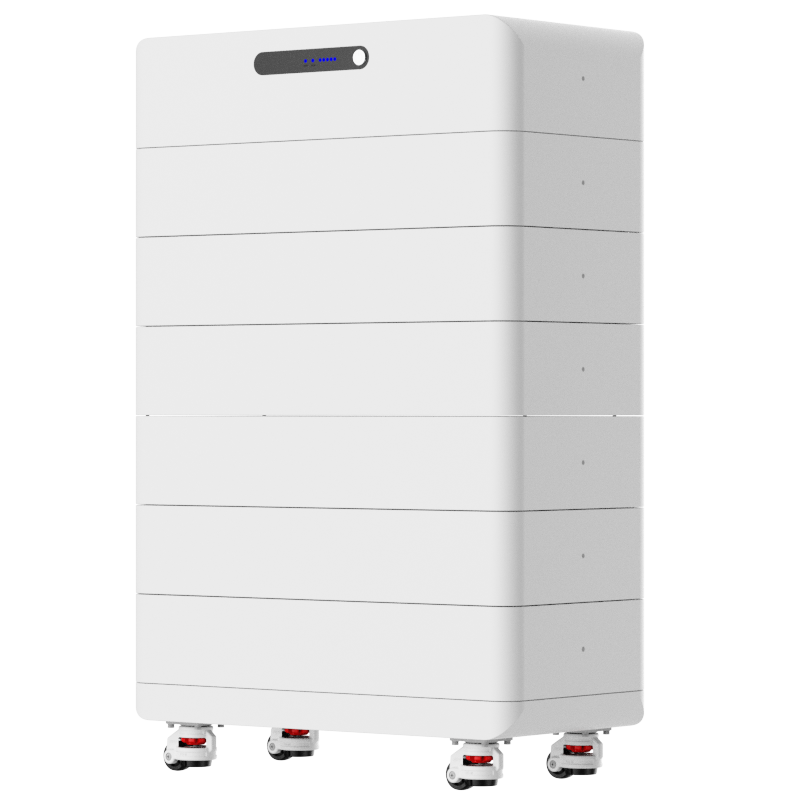
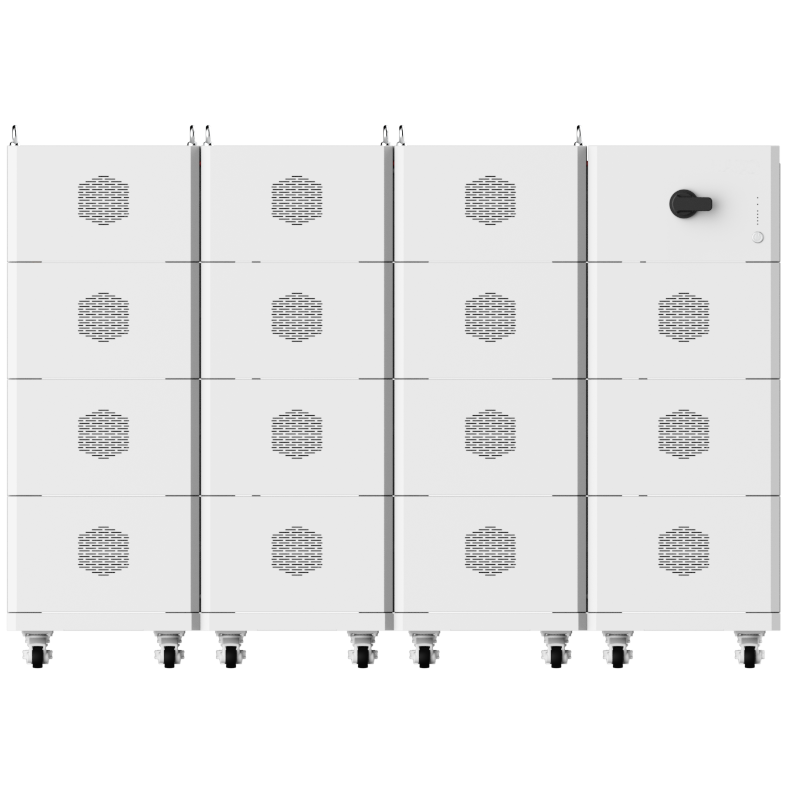
Helio's design team works with buyers to develop mechanical configurations that meet these constraints while maintaining manufacturing feasibility and cost efficiency. The modular stacking architecture of Helio's standard products provides a proven mechanical framework that can be adapted—width, depth, height, mounting provisions—for custom applications without requiring entirely new structural engineering.
Enclosure design customization extends to thermal management architecture. Applications requiring operation in high-ambient temperature environments may need enhanced ventilation, phase-change material integration, or active cooling provisions that differ from standard product configurations. Helio's engineering team has experience designing passive and active thermal management solutions across a range of operating environment requirements.
Custom battery products must undergo the same certification processes as standard products. IEC 62619 cell safety testing, CE marking documentation, UN38.3 transportation testing, UL1973 stationary storage testing—these certifications require formal testing by accredited laboratories, extensive documentation, and ongoing compliance maintenance.
Helio's 20+ professional testing systems provide the capability to conduct significant pre-certification testing in-house before engaging accredited external laboratories. This in-house testing capability is valuable for custom development because it allows engineering teams to identify and resolve issues during the development cycle rather than discovering them—expensively—during formal certification testing.
Helio's existing certification portfolio also provides a baseline from which custom products can be derived with reduced certification effort. A custom product that shares major components and design features with an already-certified standard product benefits from the technical rationale already established in the original certification documentation.
Custom battery development does not end with a validated design—it must be reproducible in volume production with consistent quality. Manufacturing process development for a custom battery configuration includes establishing assembly procedures, defining quality control checkpoints, specifying production test protocols, and training assembly personnel.
Helio's production infrastructure—skilled assembly personnel, professional manufacturing equipment, 200,000+ unit annual capacity—provides the foundation for scaling custom designs from prototype to production without the manufacturing ramp-up risks that smaller suppliers face. The company's production history across multiple product configurations provides reference process data that accelerates custom production process development.
Technical support for custom battery systems extends into the operational phase. Field deployment of a new battery configuration involves installation guidance, commissioning support, troubleshooting assistance, and ongoing firmware update management. For buyers deploying custom systems at scale across multiple geographies, this field support capability is as important as the initial development support.
Helio's technical team maintains direct engagement with custom development clients through deployment phases, providing remote diagnostic support, issuing field bulletins when performance patterns indicate emerging issues, and developing application notes that help installation teams maximize system performance.
Custom energy storage battery development is a multi-stage technical collaboration that spans requirements engineering, cell and BMS design, mechanical engineering, certification testing, production development, and field support. The depth of technical support available at each stage determines whether a custom development project delivers its intended outcome. Helio's combination of 60+ R&D engineers, 20+ professional testing systems, 50,000sqm production facility, and comprehensive certification portfolio provides the full-spectrum technical support infrastructure that custom battery clients need. Contact Helio's engineering team at Helioenergy.com to discuss your custom energy storage requirements.
 Hot News
2026-08-25
2026-08-18
2026-08-13
2026-08-08
2026-08-03
2026-06-28

 EN
EN