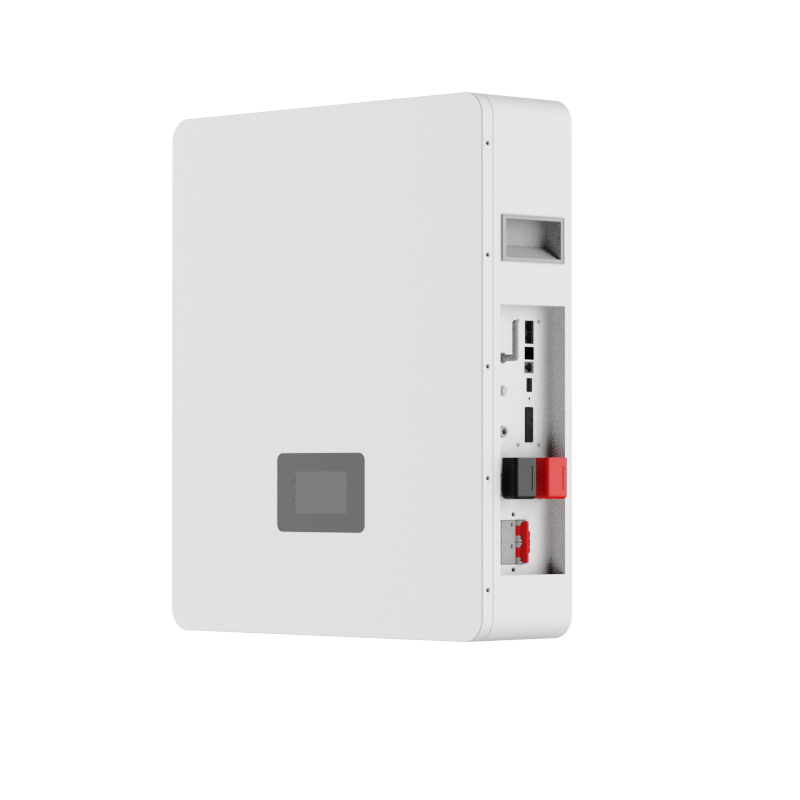
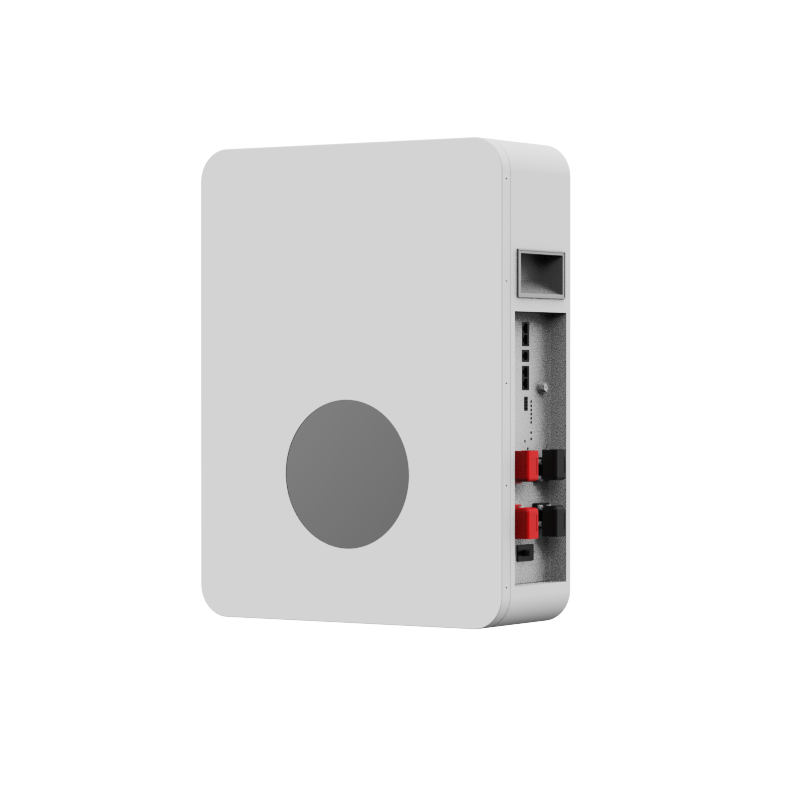
Demystifying Low-Voltage Residential Energy Storage: Your Home's Power Guardian
Imagine a home that not only consumes electricity but also intelligently manages it — storing cheap energy when it is abundant and releasing it when you need it most. This is no longer a futuristic concept; it is the reality of residential energy storage systems (RESS). Among these, low-voltage residential energy storage power supplies have emerged as a safe, flexible, and highly efficient solution for modern households worldwide. But what exactly are they, and how do they work? Let's dive into the mechanics behind this home power guardian.
The Core Concept: What is a Low-Voltage RESS?
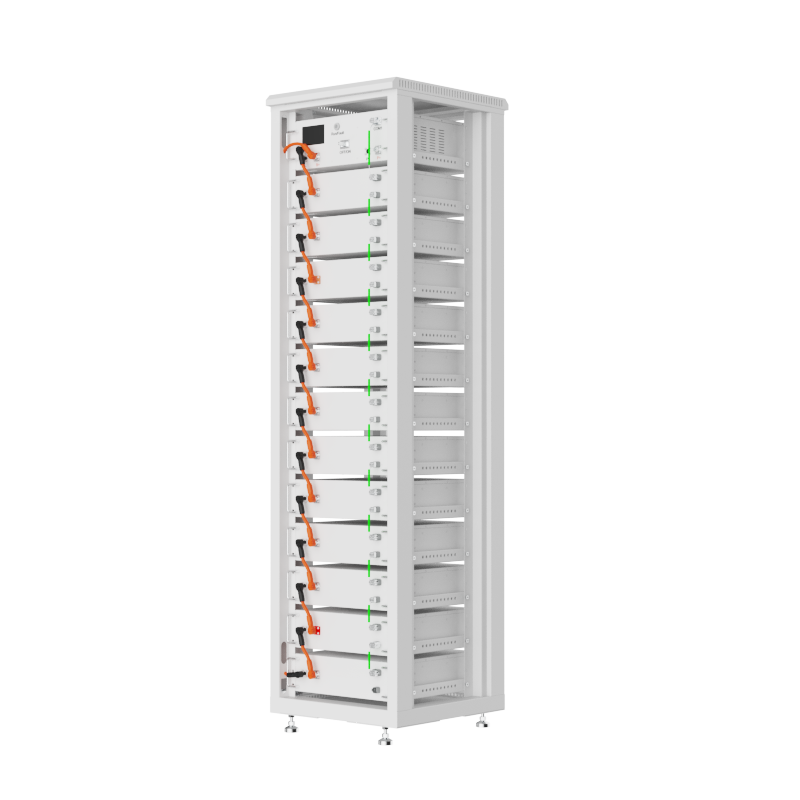
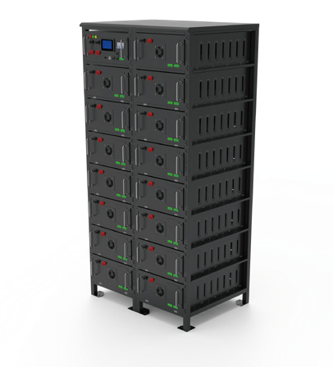
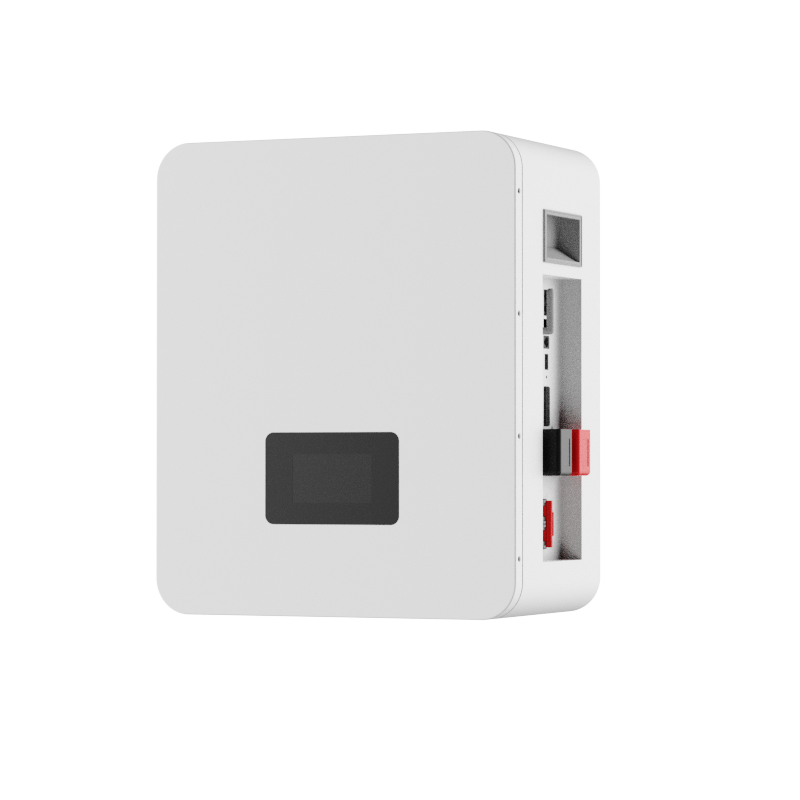
A residential energy storage system is essentially a high-capacity rechargeable battery setup designed specifically for homes. The term "low-voltage" typically refers to systems operating below 60V DC, with 48V and 51.2V being the two most common configurations in the market today.
The 48V architecture uses 15 lithium iron phosphate (LFP) cells connected in series (15 × 3.2V = 48V), while the 51.2V design uses 16 cells (16 × 3.2V = 51.2V). This seemingly minor difference has practical implications: a 51.2V system delivers approximately 6.7% more usable energy from the same 100Ah battery bank compared to its 48V counterpart — translating to 5.12 kWh versus 4.8 kWh per module.
Compared to high-voltage systems (typically operating at 150V to 600V DC), low-voltage setups offer superior safety profiles, easier installation, and broader compatibility with standard household inverters. They act as a buffer between your home, your solar panels, and the public utility grid — a silent intermediary that optimizes every watt of energy.
How It Works: The Symphony of Energy Flow
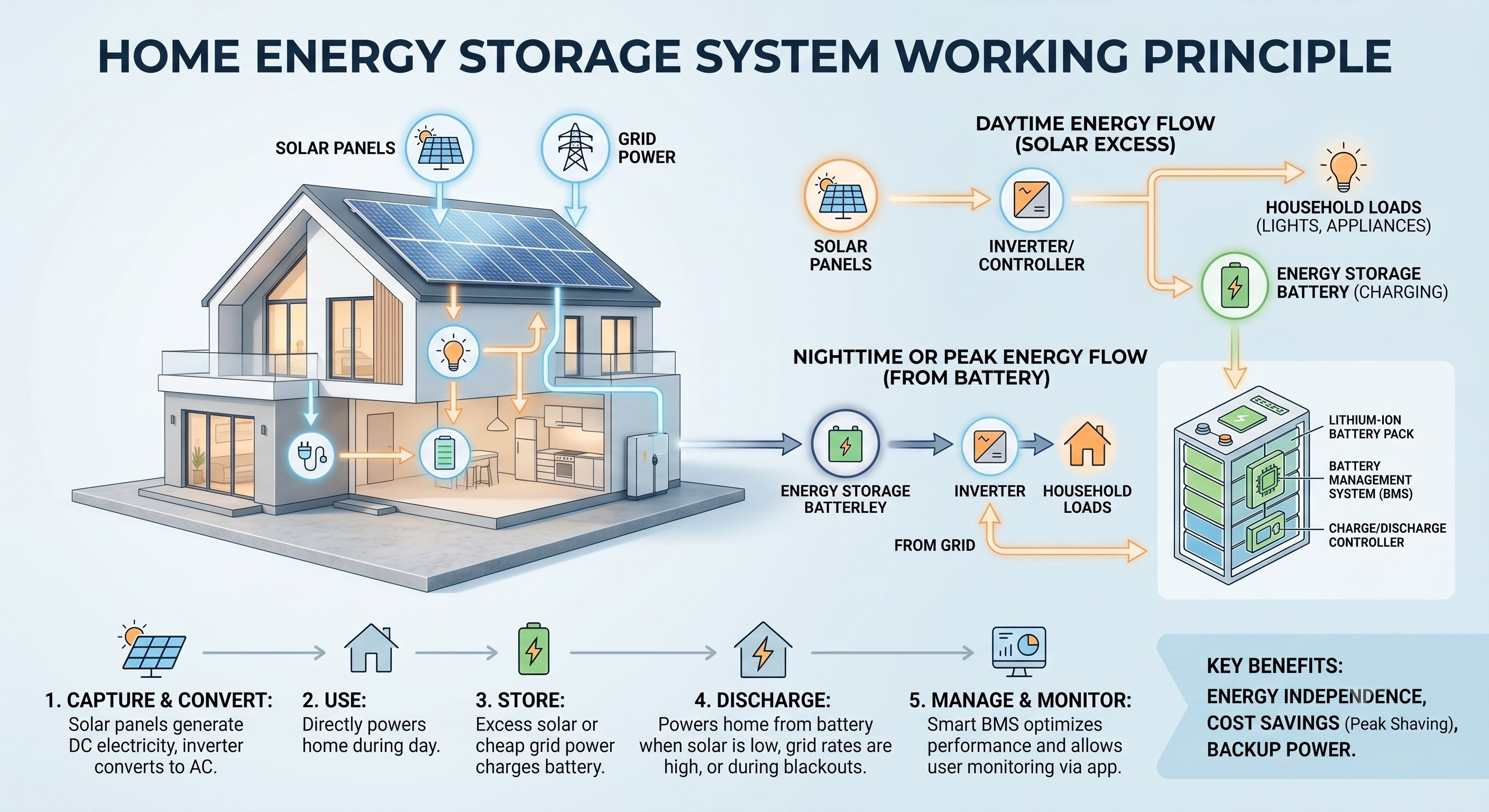
The operation of a low-voltage storage system relies on three main components working in harmony: the Battery Pack, the Bi-directional Inverter (PCS), and the Energy Management System (EMS).
Image Suggestion: A clean infographic showing the flow of electricity between Solar Panels, the Home Load, the Utility Grid, and the Battery.
During the day, when solar panels generate excess electricity, the bi-directional inverter converts the alternating current (AC) from the grid or solar array into direct current (DC). This DC power safely charges the low-voltage battery bank through an internal DC-DC converter, which steps down the voltage to match the battery's optimal charging profile.
When the sun sets or during peak pricing hours, the process reverses. The battery discharges its stored DC power back into the inverter, which translates it back into clean AC power to run your refrigerator, lights, and air conditioning. If the grid goes down, the system seamlessly isolates itself, providing uninterrupted backup power.
Why LFP Technology Dominates Home Storage
The overwhelming majority of low-voltage residential storage systems today use lithium iron phosphate (LiFePO₄, or LFP) battery chemistry. According to the International Energy Agency (IEA), LFP batteries accounted for approximately 90% of all battery storage deployments globally in 2025 — a dominance driven by three compelling advantages:
Thermal Safety: LFP cells have a thermal decomposition temperature exceeding 500°C, dramatically reducing the risk of thermal runaway compared to other lithium-ion chemistries. This inherent stability makes them the safest choice for installation inside or adjacent to living spaces.
Cycle Life: Modern LFP residential batteries are rated for 6,000 to over 8,000 cycles at 80% depth of discharge (DoD) — roughly 15 to 20 years of daily cycling before reaching 80% of original capacity. This represents a lifespan five times longer than traditional lead-acid alternatives, which typically last only 1,000 to 1,500 cycles.
Total Cost of Ownership: While upfront costs for LFP residential systems currently range from approximately USD 400 to USD 700 per kWh installed, the combination of falling cell prices — stationary battery packs averaged USD 70/kWh in 2025, down 35% from 2020 — and minimal maintenance requirements over a decade-plus lifespan yields compelling long-term economics.
Safety, Modularity, and the Road Ahead
Beyond chemistry, low-voltage design itself contributes to residential safety. Systems operating under 60V DC fall below the threshold considered "hazardous live" in most international electrical safety standards (IEC 60364, UL 1973), significantly reducing the risk of fatal electric shock. This regulatory framework allows for simpler installation procedures and more flexible placement options within the home.
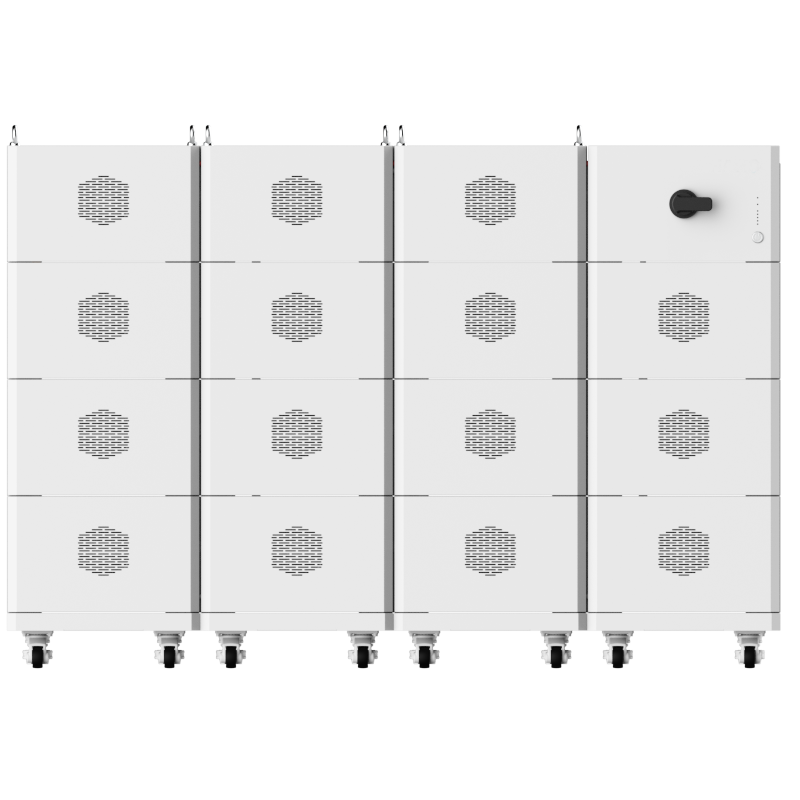
Modularity is another defining advantage. A homeowner can start with a single 5 kWh module and expand incrementally — stacking additional battery units as energy needs grow, whether driven by an electric vehicle purchase, a home renovation, or simply rising electricity consumption. Modern systems also integrate with smart home platforms, enabling features such as time-of-use optimization, grid service participation, and remote monitoring via mobile apps with over-the-air (OTA) firmware upgrades.
The global storage market continues its rapid expansion. In 2025, 108 GW of new battery storage capacity was deployed worldwide — a 40% increase year-on-year and more than eleven times the level recorded in 2021, according to the IEA. With nearly 60% of new deployments occurring in China alone, the supply chain is maturing rapidly, driving further cost reductions and technology improvements that benefit homeowners everywhere.
Conclusion
Low-voltage residential energy storage is far more than a backup battery sitting quietly in a utility room. It is the cornerstone of the modern distributed energy ecosystem — a technology that transforms passive electricity consumers into active "prosumers" who generate, store, and intelligently dispatch their own power. Built on proven LFP chemistry, governed by advanced energy management algorithms, and designed for decades of reliable service, these systems represent one of the most practical steps a household can take toward a greener, more resilient, and more cost-effective energy future.
 ×
×
 Hot News
 EN
EN