 ×
×
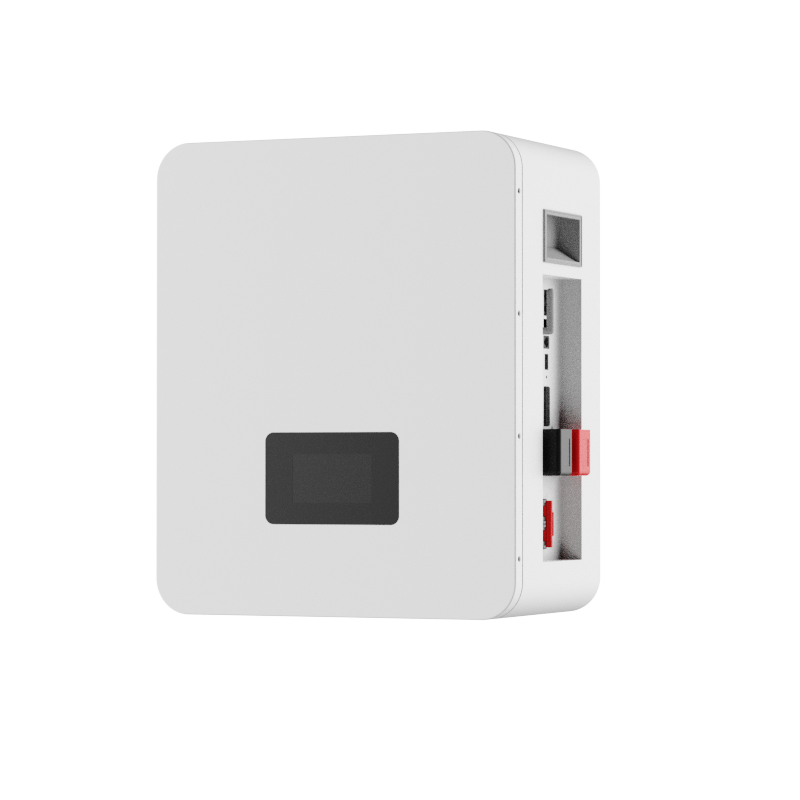
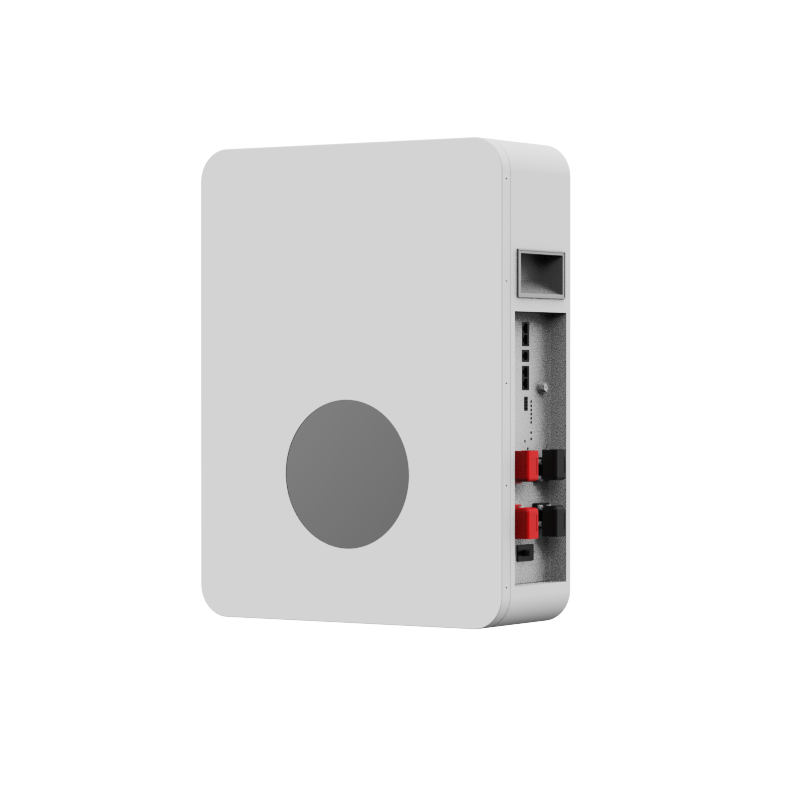
The residential energy storage battery market is experiencing structural transformation driven by three converging forces: declining lithium iron phosphate (LiFePO4) cell costs, rising electricity price volatility across major markets, and expanding government incentive programs for distributed energy resources. In 2024, the global average price of LiFePO4 battery cells fell below USD 56 per kWh, down from approximately USD 100 per kWh in 2022. This cost trajectory has fundamentally altered the payback calculus for homeowners. A typical 10kWh residential energy storage battery system that would have required a 12-14 year payback period in 2020 now reaches breakeven in 5-8 years in markets with significant solar penetration and time-of-use pricing. In regions where feed-in tariffs have been reduced or eliminated—Germany, Australia, parts of California—the economic incentive has shifted from selling excess solar generation to the grid toward storing it for self-consumption during evening peak-rate periods. The residential energy storage battery has transformed from a luxury backup device into a core component of household energy economics.
The modern residential energy storage battery serves at least four distinct functions that extend well beyond simple outage protection. First, solar self-consumption optimization: the battery charges during midday solar surplus and discharges during evening hours when household loads peak and time-of-use rates spike. In a well-designed system, this can increase a home's solar self-consumption rate from approximately 35% (grid export model) to over 75%. Second, time-of-use arbitrage: in markets with significant peak/off-peak price spreads—such as California where evening rates can exceed off-peak rates by 3-4 times—a programmed charge/discharge schedule captures this differential daily. Third, grid service participation: some utilities now offer virtual power plant (VPP) programs where aggregated residential energy storage batteries provide frequency regulation and capacity reserves, paying homeowners USD 200-500 annually for access to their stored energy during grid stress events. Fourth, electric vehicle charging support: as home EV adoption accelerates, a residential battery can buffer the 7-11kW charging load, preventing it from pushing household demand into higher tariff bands or exceeding the home's main breaker rating.
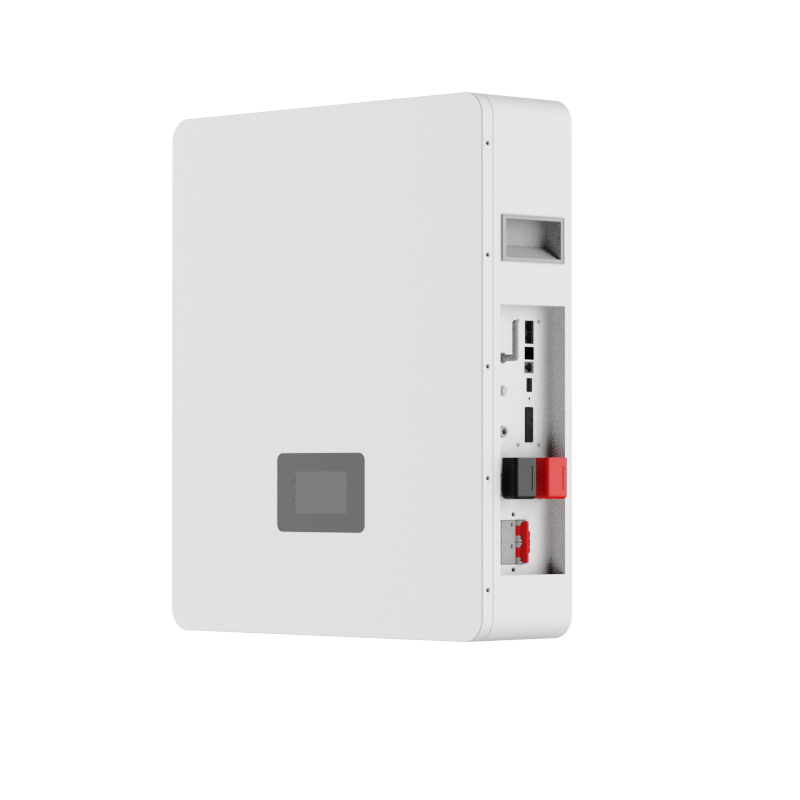
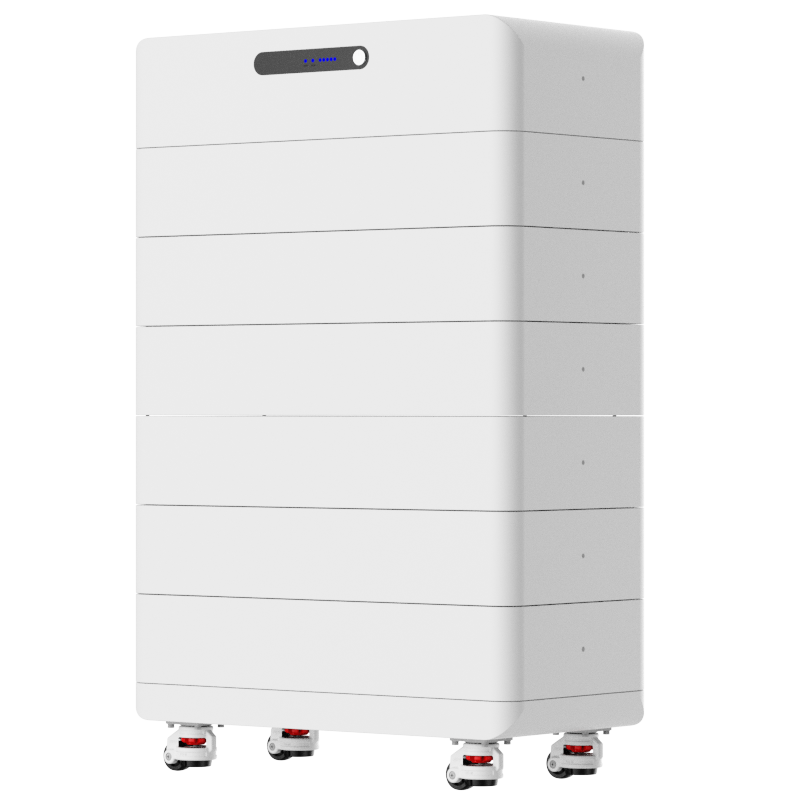
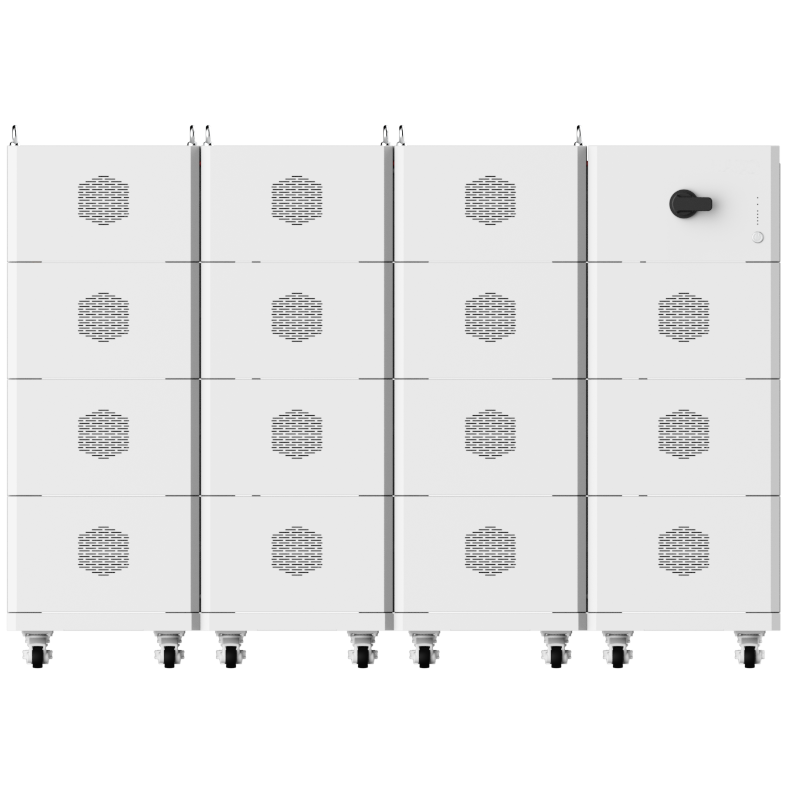
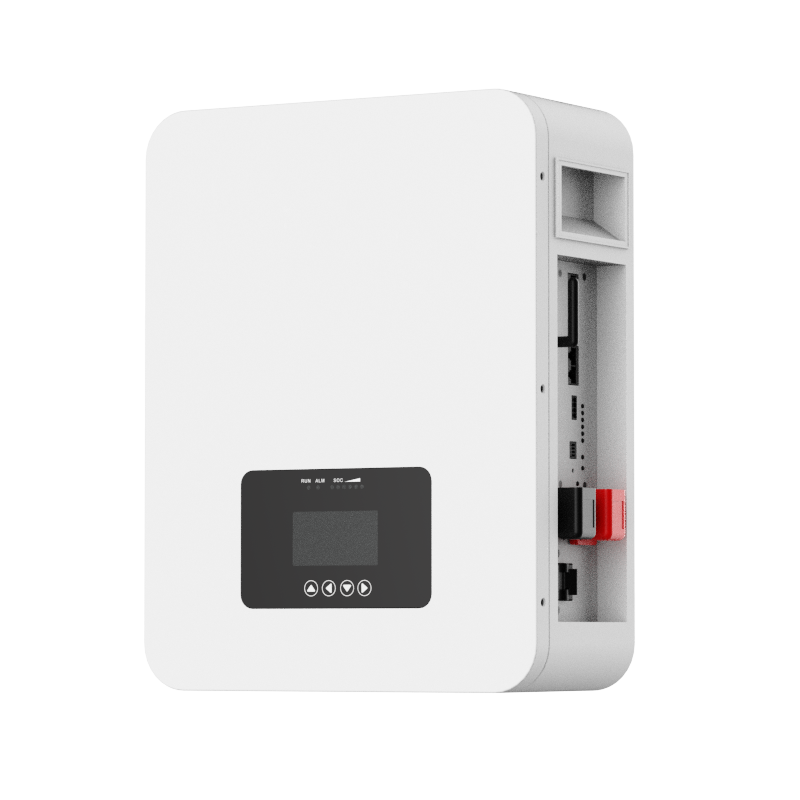
The residential energy storage battery segment has evolved significantly from the early days of single-unit 48V wall-mounted boxes. Today's products span a spectrum from compact 2.5kWh low-voltage modules suitable for apartments to stackable high-voltage tower systems reaching 30.7kWh, 48.2kWh, or even 153.6kWh through multi-tower parallel configurations. The shift toward high-voltage architecture—operating at 200V to 600V DC rather than 48V—has brought measurable efficiency gains. At 600V, a 5kW load draws approximately 8.3A compared to 104A at 48V, reducing conductor losses by over 90% and enabling the use of standard 4-6mm² cables instead of heavy 25-35mm² wiring. This has made installations cleaner, faster, and more cost-effective for electricians. Modular stackable designs further improve installation economics: rather than maintaining inventory of multiple fixed-capacity SKUs, installers stock identical battery modules and assemble them on-site to match each home's specific energy profile. A family of three in a 120m² apartment may need only 3 modules (15.36kWh), while a large villa with heat pumps and pool equipment might require 12 modules (61.44kWh) spread across parallel towers—all built from the same standard module.
The adoption patterns of residential energy storage batteries vary significantly by region, shaped by local electricity market structures, climate conditions, and regulatory frameworks. In Europe, particularly Germany and Italy, high retail electricity prices (EUR 0.30-0.45/kWh) combined with strong feed-in tariff phase-outs have created a dominant self-consumption use case. European installers typically size systems to cover 80-90% of overnight household consumption. In Australia, where rooftop solar penetration exceeds 35% in some states, the application driver is export limitation: many utilities now restrict or zero-rate solar feed-in during midday, making storage the only way to monetize surplus generation. Australian systems tend toward larger capacities (13-20kWh) to capture full-day solar surplus. In the United States, the Inflation Reduction Act's 30% federal tax credit for standalone storage (no solar requirement) has opened a new application: backup-only installations in regions with unreliable grid infrastructure, such as wildfire-prone California and hurricane-exposed Gulf Coast states. In emerging markets across Africa and South Asia, the residential energy storage battery is primarily a grid-defection tool—enabling households in areas with frequent, prolonged outages to maintain essential loads without diesel generators.
A family-owned villa in Tuscany, Italy, built in 2003, operated on a 6kWp rooftop solar array installed in 2018. By 2023, the household's annual electricity consumption had grown to 8,200kWh due to the addition of two heat pump units and an EV charger. However, Italy's "Scambio sul Posto" net metering program had been replaced by less favorable compensation rates, meaning the family was effectively "donating" approximately 3,400kWh of summer surplus generation to the grid at near-zero value while importing expensive evening electricity at EUR 0.38/kWh. The family's energy consultant specified a modular high-voltage residential energy storage battery system: two towers in parallel, each with 4 stacked modules, delivering a combined 40.96kWh of storage capacity operating at 409.6V. The system was configured to prioritize solar self-consumption with a scheduled forced-charge window during the cheapest overnight hours (EUR 0.12/kWh) on winter days with low solar yield. After the first full year of operation, the household's grid import had decreased by 68%, annual electricity costs dropped from approximately EUR 2,350 to EUR 980, and the system provided uninterrupted power through three regional blackouts totaling 18 hours. The effective payback period, accounting for Italy's 50% "Superbonus" tax deduction for energy efficiency improvements, was approximately 4.2 years.
When specifying a residential energy storage battery, installers and homeowners should evaluate six factors beyond brand recognition. First, battery chemistry and cycle life: LiFePO4 chemistry offers 6,000+ cycles with inherent thermal stability, making it the dominant choice for residential applications. Verify the cycle life rating specifies the test conditions (temperature, charge/discharge rate, end-of-life capacity threshold) rather than accepting unqualified marketing numbers. Second, system voltage architecture: for homes with total daily consumption exceeding 15kWh or heavy inductive loads (pumps, compressors), high-voltage systems provide measurably better efficiency and thinner, more manageable cabling. Third, inverter compatibility: the battery must communicate natively with the chosen hybrid inverter; verify the communication protocol (CAN/RS485) and any firmware version requirements before procurement. Fourth, warranty structure: look beyond the headline 10-year warranty to understand throughput limits (total MWh guaranteed), end-of-warranty capacity retention (typically 60-70%), and whether labor costs for replacement are covered. Fifth, installation environment constraints: verify the battery's operating temperature range (some units derate above 45°C or below -10°C) and protection rating (IP20 for indoor only; IP65 required for outdoor/garage installations). Sixth, monitoring and control: the system should provide both a local interface for installers and a cloud-connected app for homeowners, with the ability to adjust charge/discharge schedules remotely.
Q: How long does a residential energy storage battery actually last in real-world conditions?
A: With LiFePO4 chemistry and proper thermal management, a well-engineered residential energy storage battery typically delivers 6,000 to 8,000 charge-discharge cycles before reaching 70% of original capacity. For a system cycled once daily, this translates to 16-22 years of service. Real-world longevity depends primarily on operating temperature (cooler environments extend life), average depth of discharge (shallower cycling extends life), and charge/discharge rate (0.5C or lower is optimal).
Q: Can I add more battery capacity to my existing residential energy storage battery system later?
A: Yes, if the system uses a modular stackable architecture and the original BMS supports capacity expansion. However, mixing new modules with significantly aged existing modules requires the BMS to manage internal resistance differences. Some manufacturers recommend adding expansion modules within the first 2-3 years of the original installation to maintain balanced aging across the entire stack.
Q: Is a residential energy storage battery safe to install inside my home?
A: LiFePO4 batteries are the safest lithium chemistry available for residential use, with extremely low risk of thermal runaway compared to other lithium-ion chemistries. All reputable products carry IEC62619 safety certification and UN38.3 transport testing. For indoor installation, the battery should be placed in a well-ventilated area away from direct sunlight, water sources, and flammable materials. Always have a certified electrician perform the installation and verify that the battery's IP rating (typically IP20 for indoor) is appropriate for the installation location.
 Hot News
2026-08-25
2026-08-18
2026-08-13
2026-08-08
2026-08-03
2026-06-28

 EN
EN